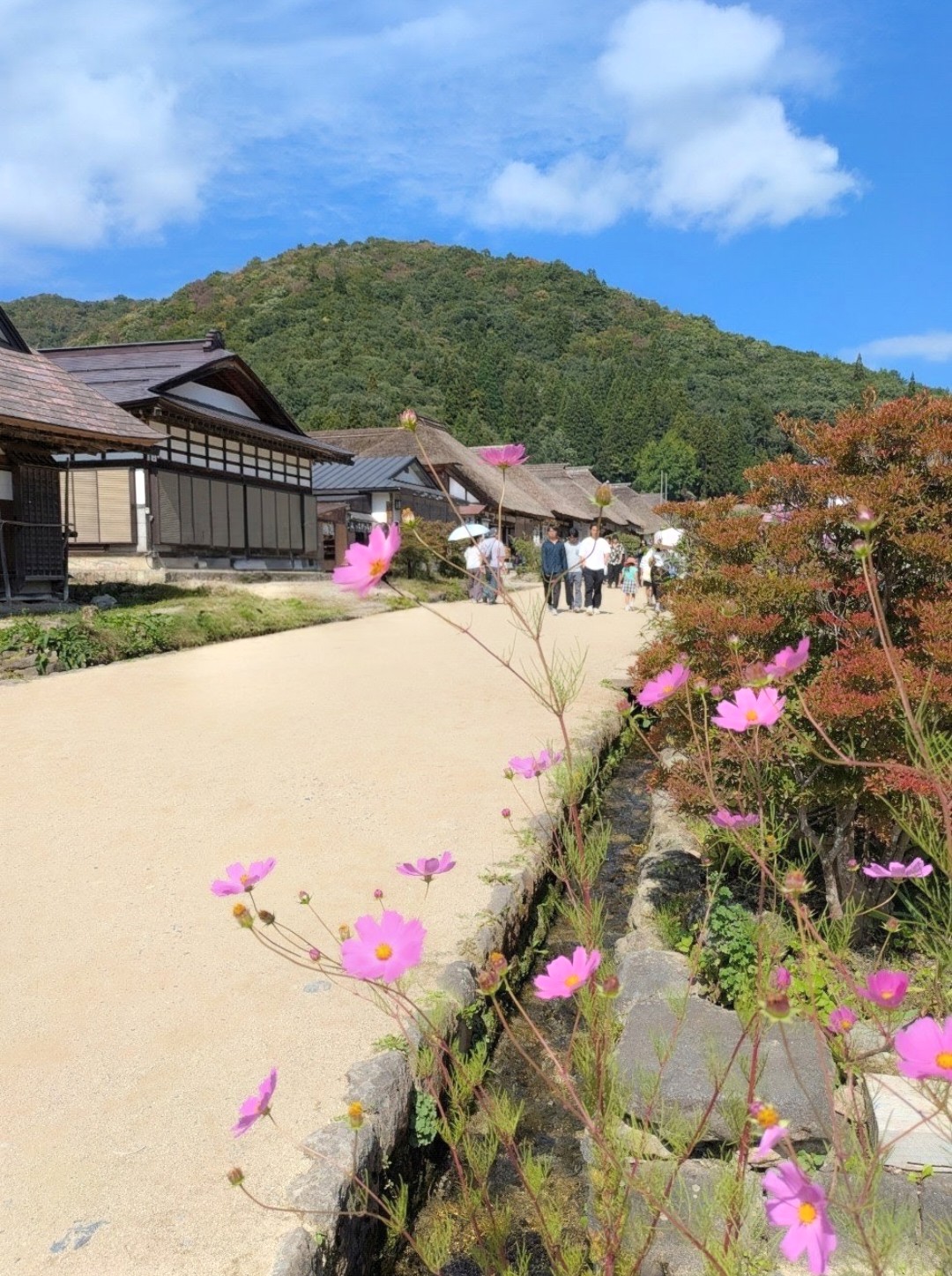
Ouchi-juku
A walk through Ouchi-juku, Fukushima: an Edo-era post town of thatched roofs and old Japan, famous for negi soba eaten using a leek instead of chopsticks.
The six prefectures of northern Honshu, from Aomori to Fukushima
A walk through Ouchi-juku, Fukushima: an Edo-era post town of thatched roofs and old Japan, famous for negi soba eaten using a leek instead of chopsticks.
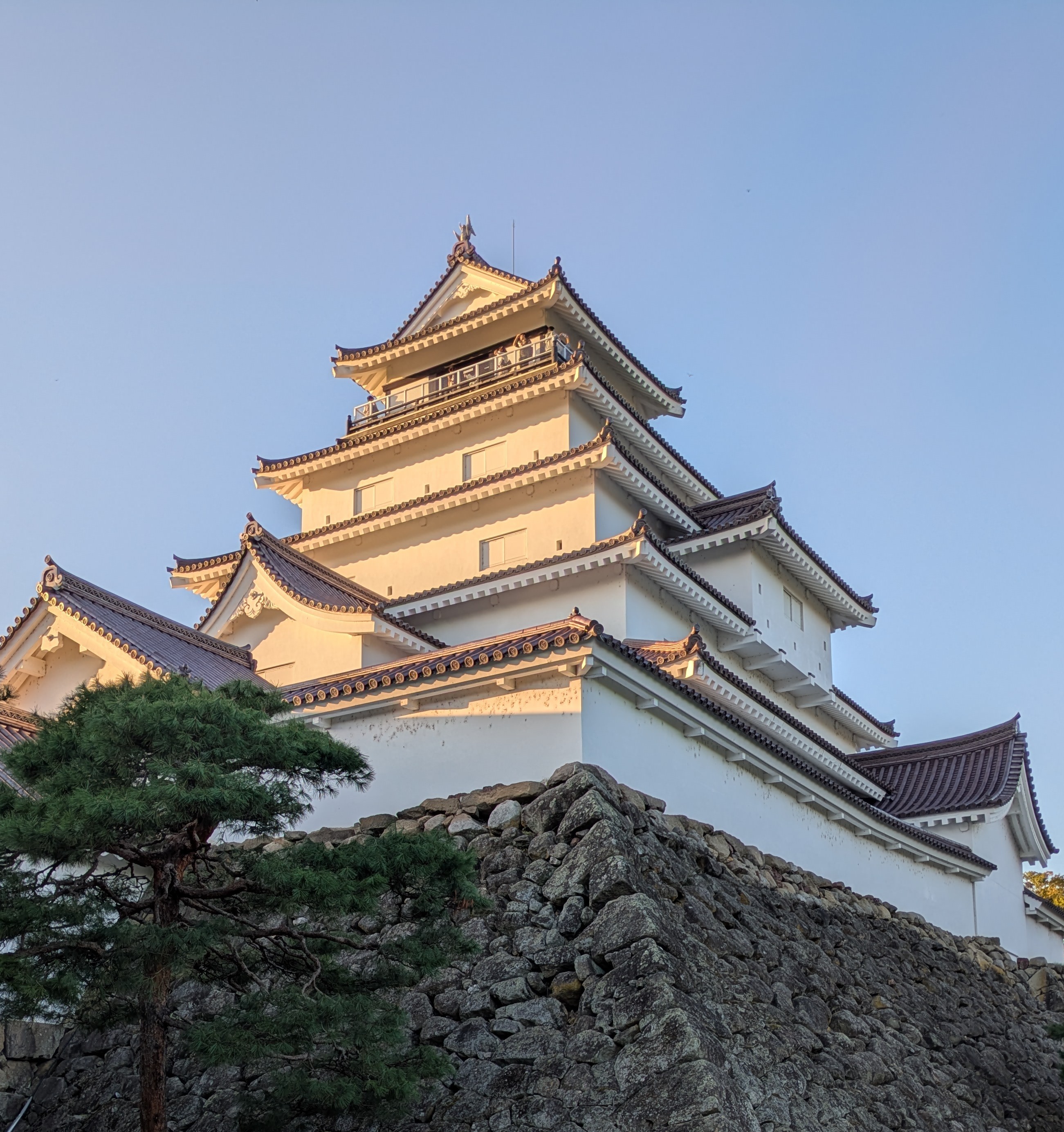
From Kitakata to Aizuwakamatsu: retro Nanokamachi, the homes of a former lord's retainers, and the room where women and children took their own lives in defeat. Far from today's values, yet their resolve struck me as remarkable.
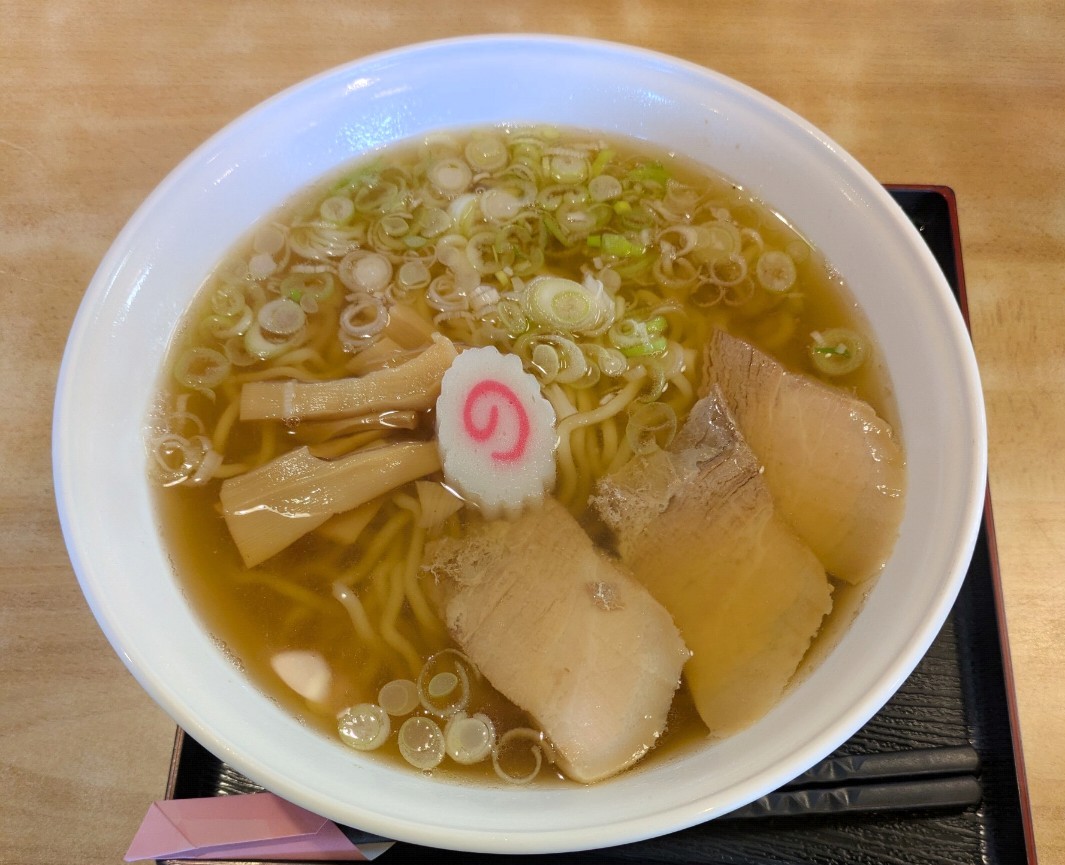
Sightseeing in Kitakata, Fukushima Prefecture: morning ramen at Kikusui, then a visit to a sake brewery to enjoy some sake tasting.
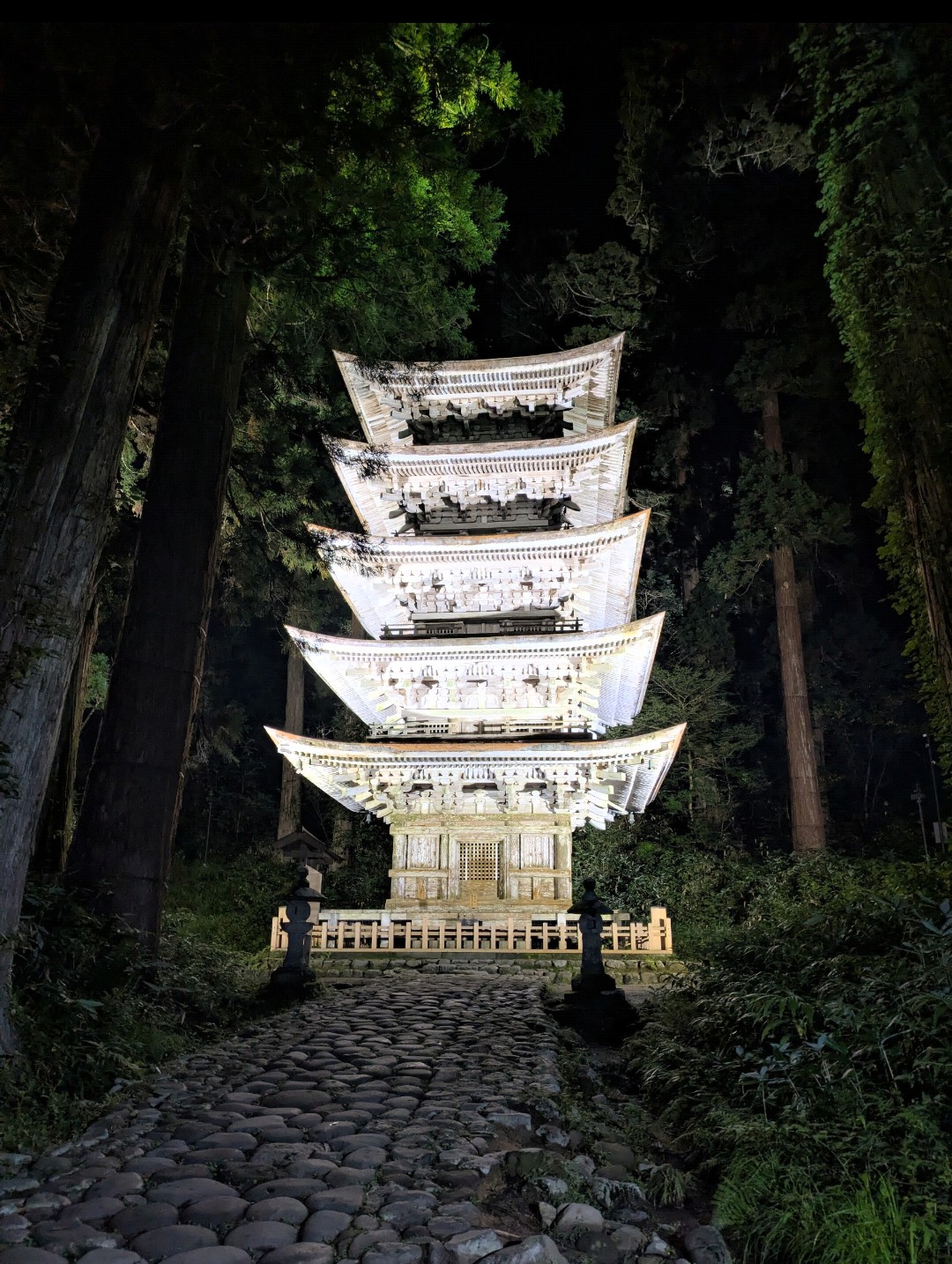
Down from Mt. Yudono, I head to the shukubo Tamonkan. After a shojin ryori dinner, I go out after dark to see the five-story pagoda lit up.
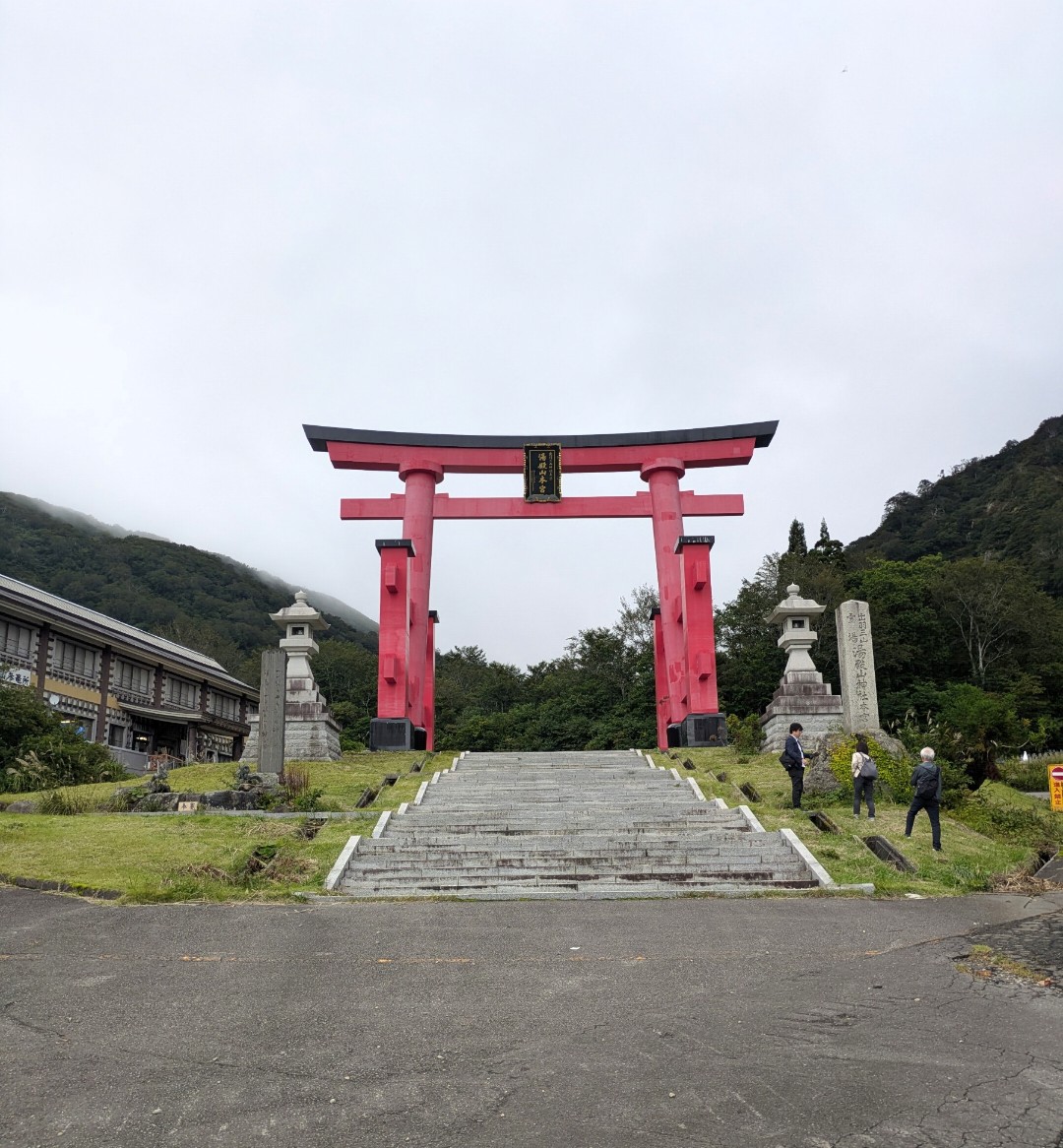
Down from Dewa Sanzan Shrine, a meal at a café by the gate, then Mt. Yudono, whose sacred summit has one rule: never tell what you saw or heard.
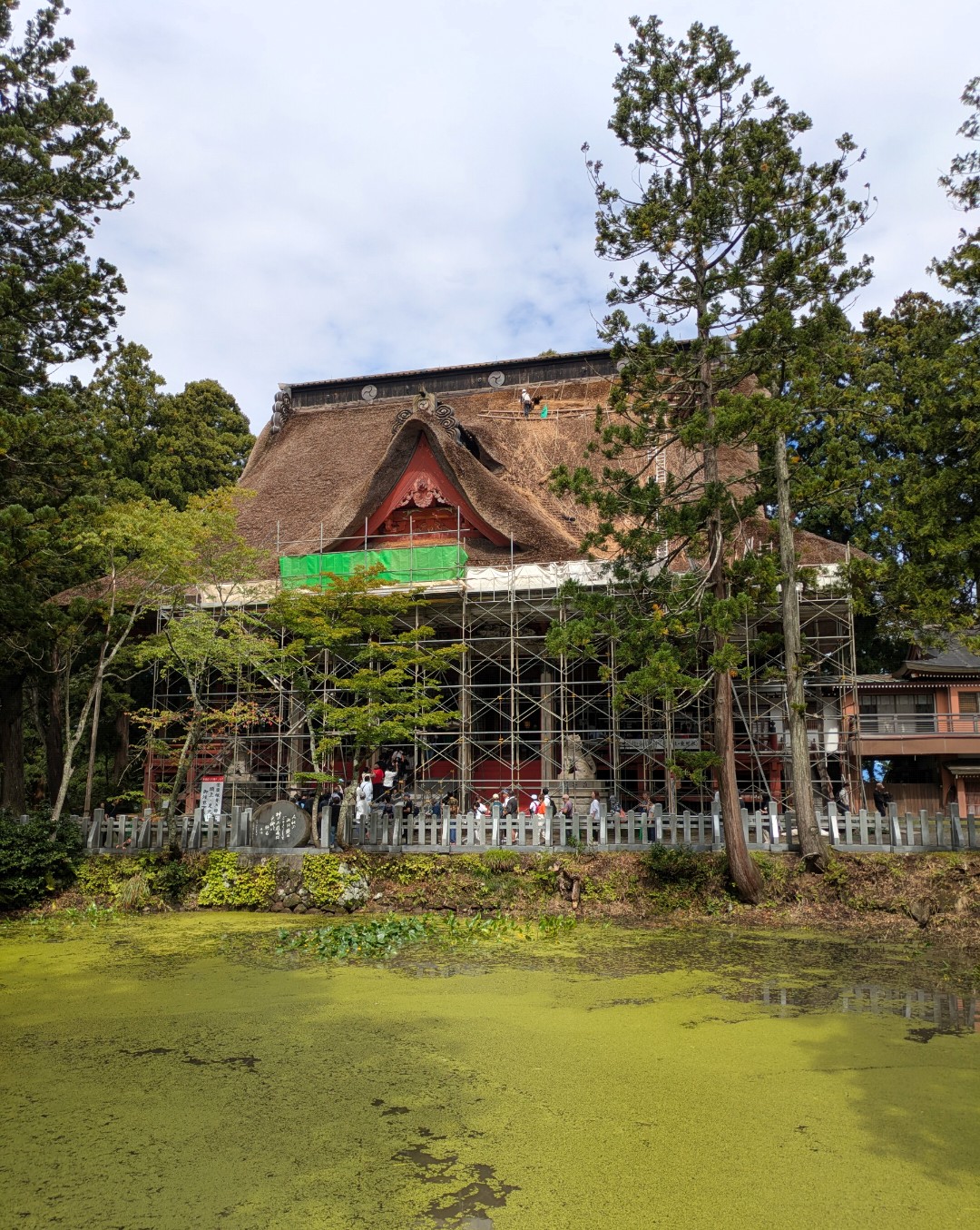
After seeing the five-story pagoda on Mt. Haguro, I climbed toward Dewa Sanzan Shrine. Some 2,000 steps later, I made it.
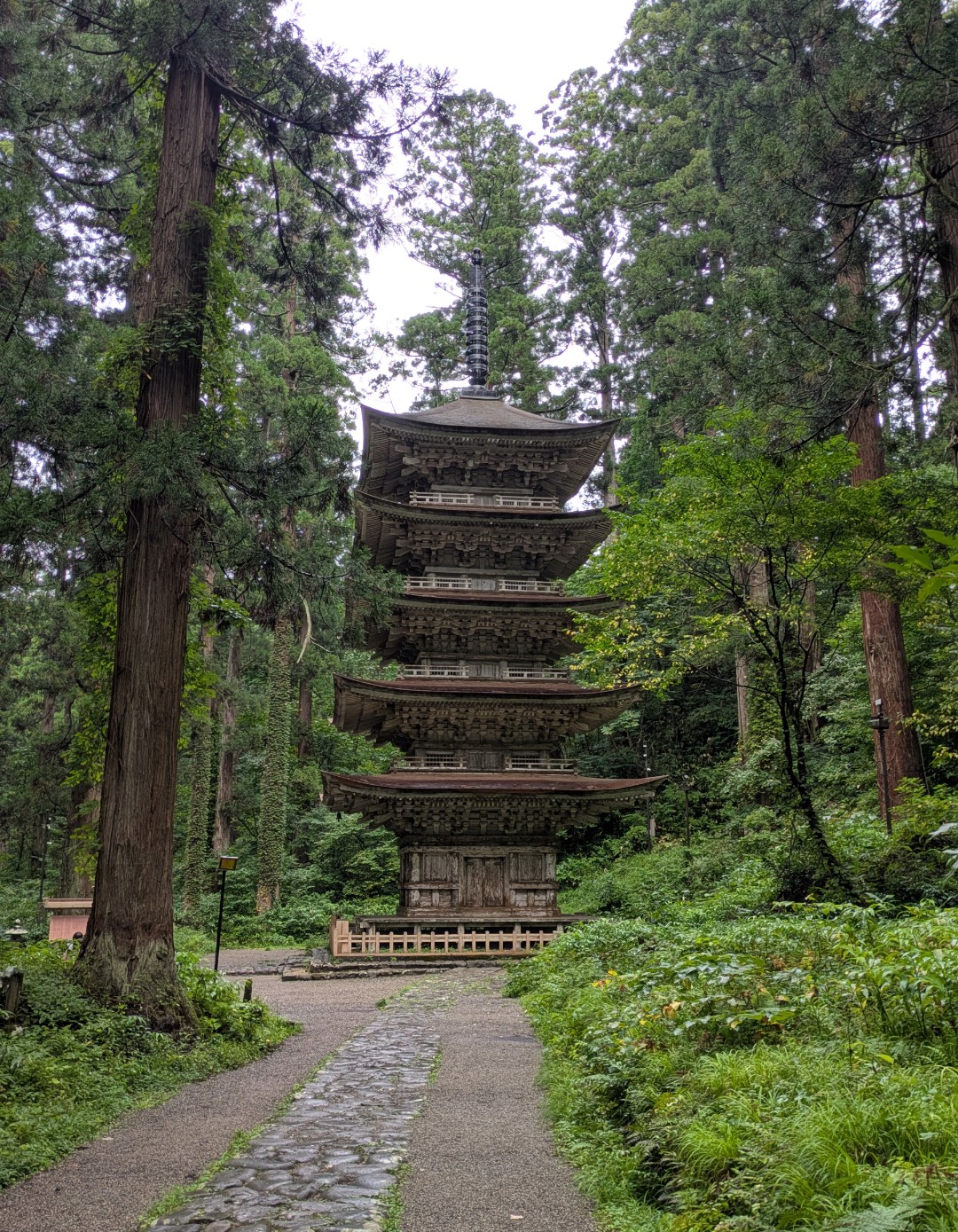
I headed to Mt. Haguro in Yamagata Prefecture, famous for its five-story pagoda in the forest, and started up the trail to Dewa Sanzan Shrine. Partway up, I stopped to look at the pagoda. Among the trees, it had a presence no other pagoda has.
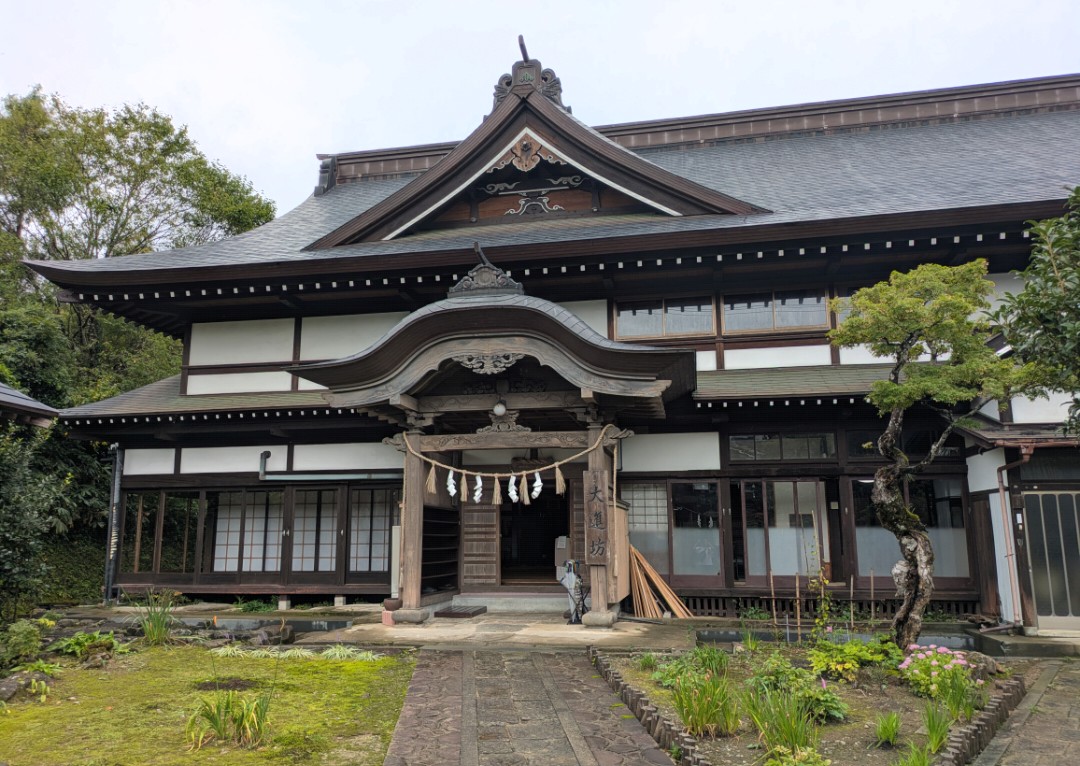
A trip to Mt. Haguro, a site of mountain worship in Yamagata's Shonai region: a night at Daishinbo, a yamabushi-run shukubo in Dewa Sanzan Shrine's lodging district, a morning prayer ritual, then on to the shrine.