Tohoku
Ouchi-juku
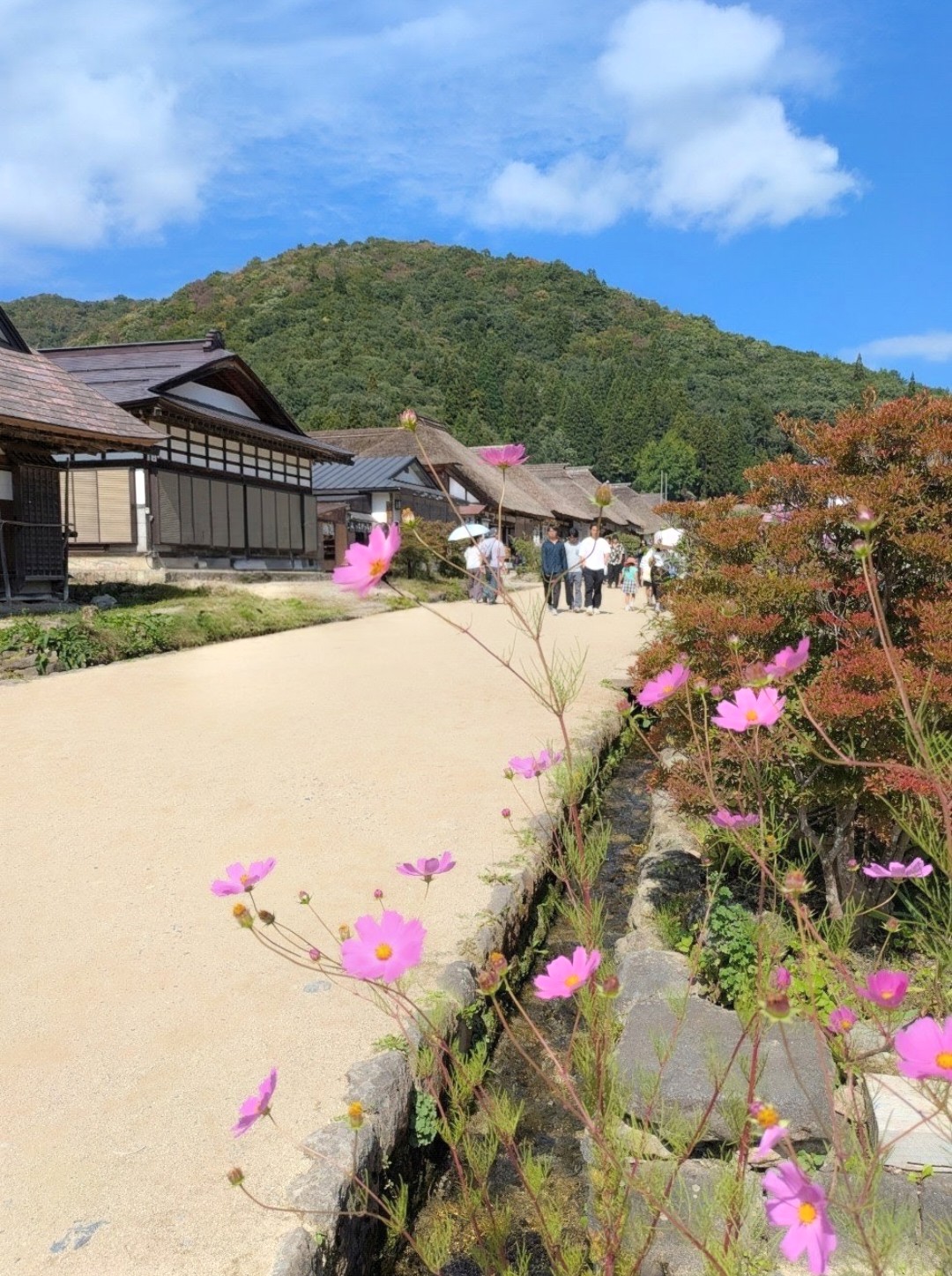
- Where
- Fukushima Prefecture
- When
- September 2026, 3 days, 2 nights
- Route
- Tokyo Station → (JR Yamabiko shinkansen, 1 hr 40 min) → Koriyama Station → (JR Banetsu West Line rapid train, 65 min) → Aizu-Wakamatsu Station → (Aizu Railway local train, 40 min) → Yunokami Onsen Station → (Saruyu-go bus, 20 min) → Ouchi-juku → short walk
- Cost
- ¥30,000
From Aizu-Wakamatsu, I take a train and a bus to Ouchi-juku. Ouchi-juku is a former post town, a stopover for travelers on the old highway linking Aizu and Nikko. Apparently it was used for sankin-kotai, the processions feudal lords were required to make to Edo (today’s Tokyo), and for carrying rice to Edo.
I get off the bus and walk for a minute. I’m in Ouchi-juku.
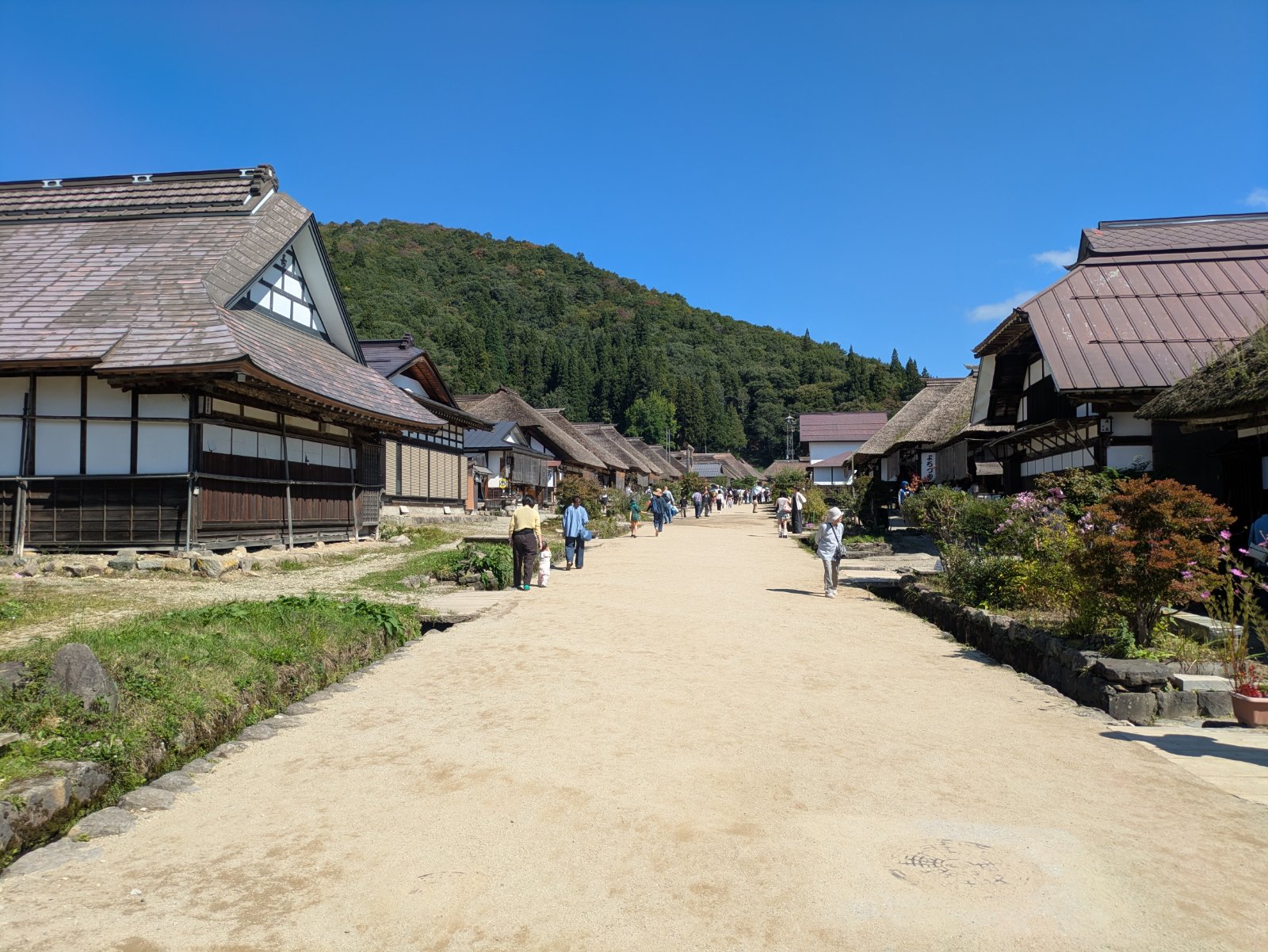
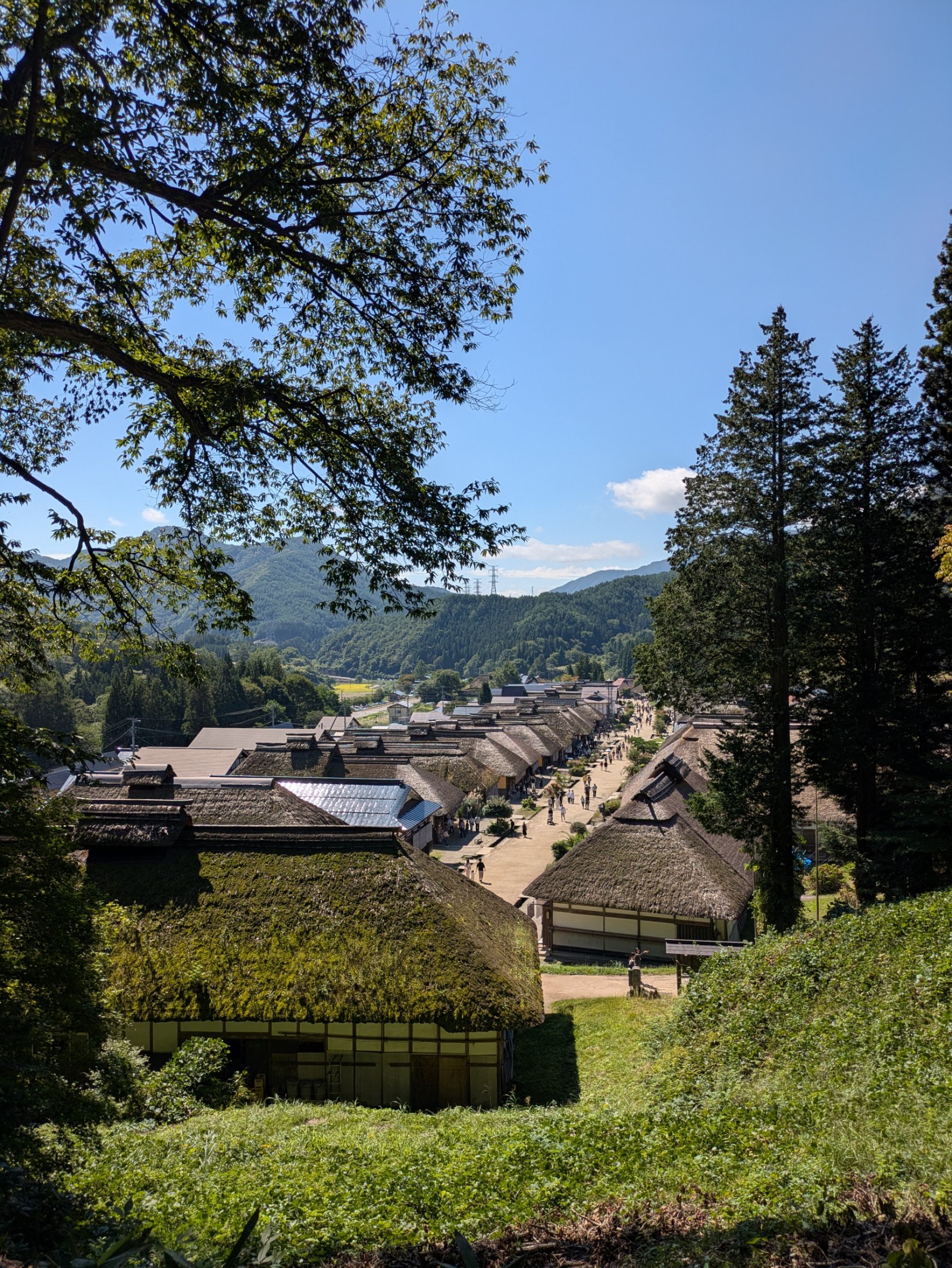
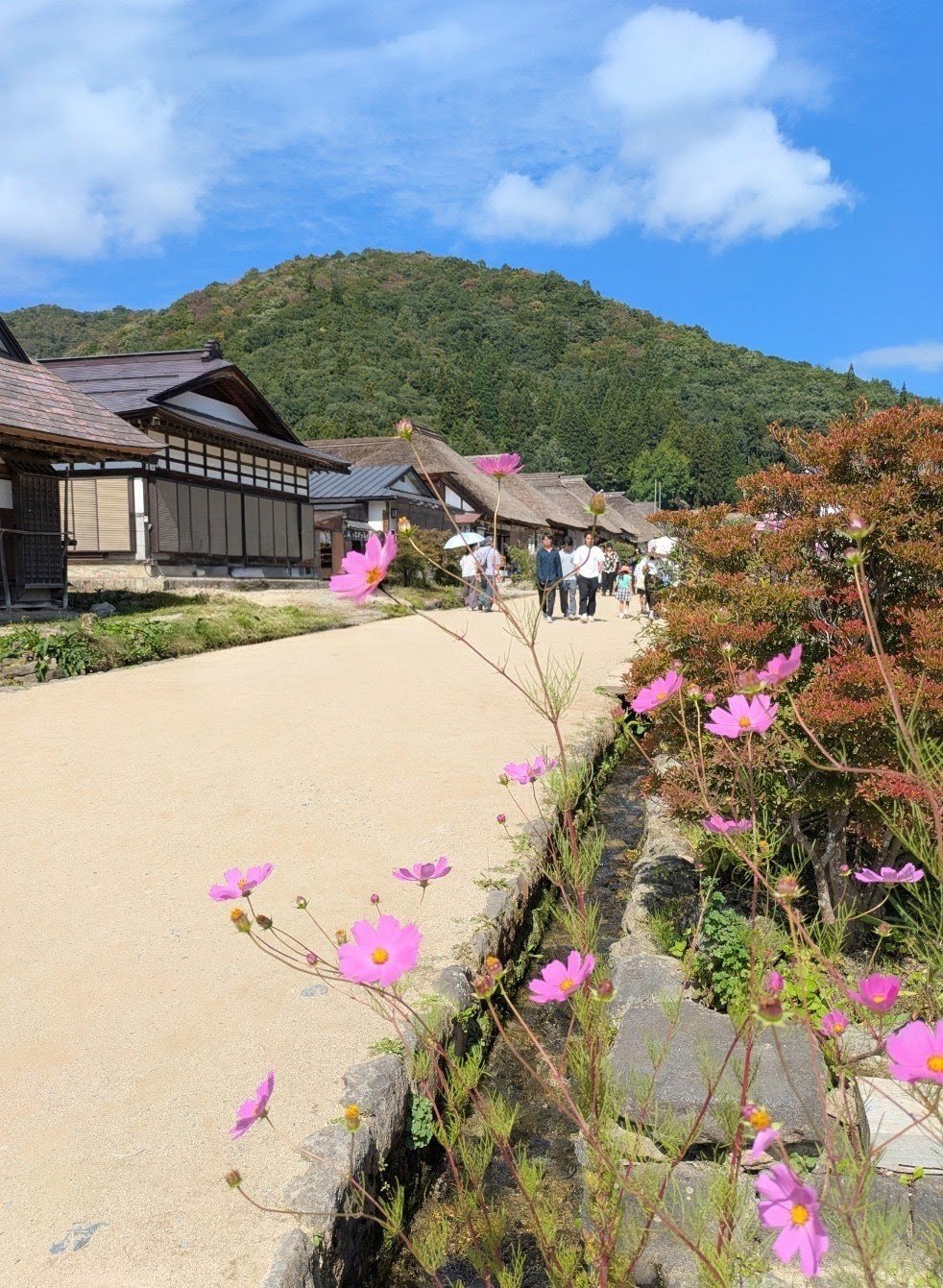
Thatched-roof buildings line the street. Some apparently go back as far as the Edo period. The thatched roofs make the whole place feel like something out of Nippon Mukashi Banashi, the old animated series of Japanese folktales.
Lately I’ve been hooked on the anime Yomi no Tsugai (Daemons of the Shadow Realm), which has a zashiki-warashi character in it, a childlike spirit said to live in old houses. It feels like one could be living here in Ouchi-juku.
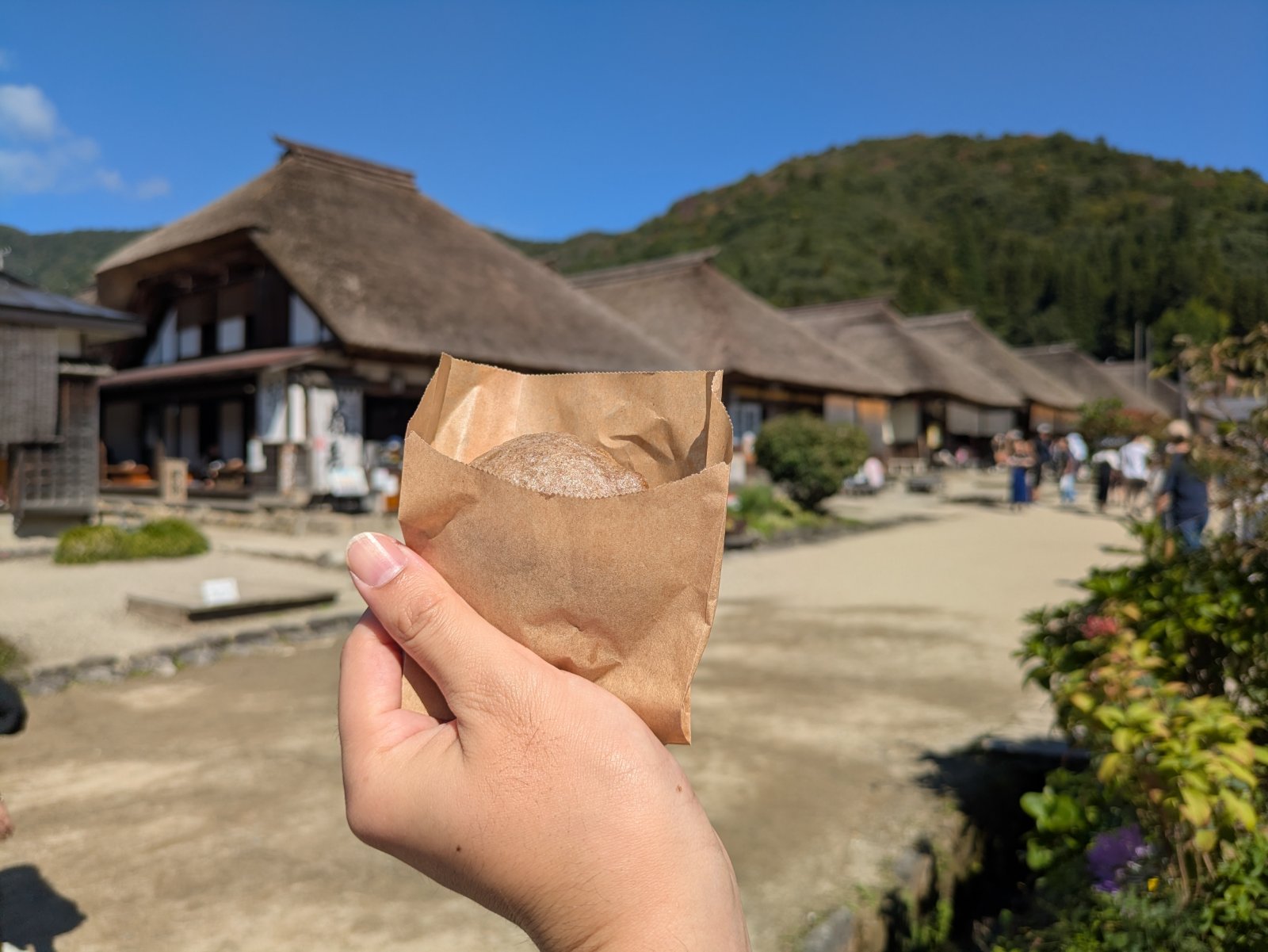
You can also get manju (steamed buns) made with buckwheat flour, and dango (skewered rice dumplings). Peak Japan, circa a hundred years ago.
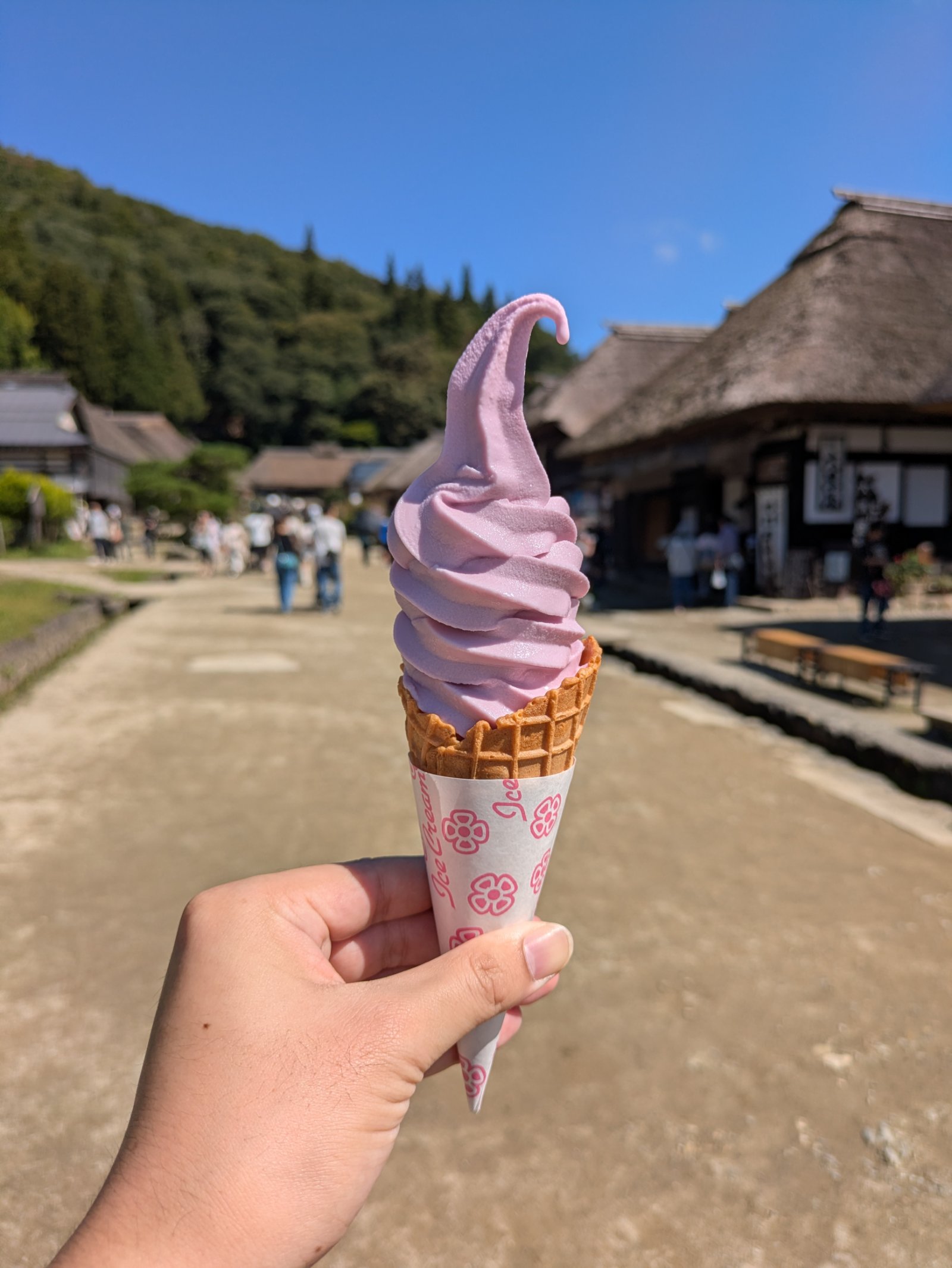
You can also get soft-serve ice cream. Peak Japan, circa now.
Turn down a single side street and there’s even a shrine, standing quietly in the middle of nature.
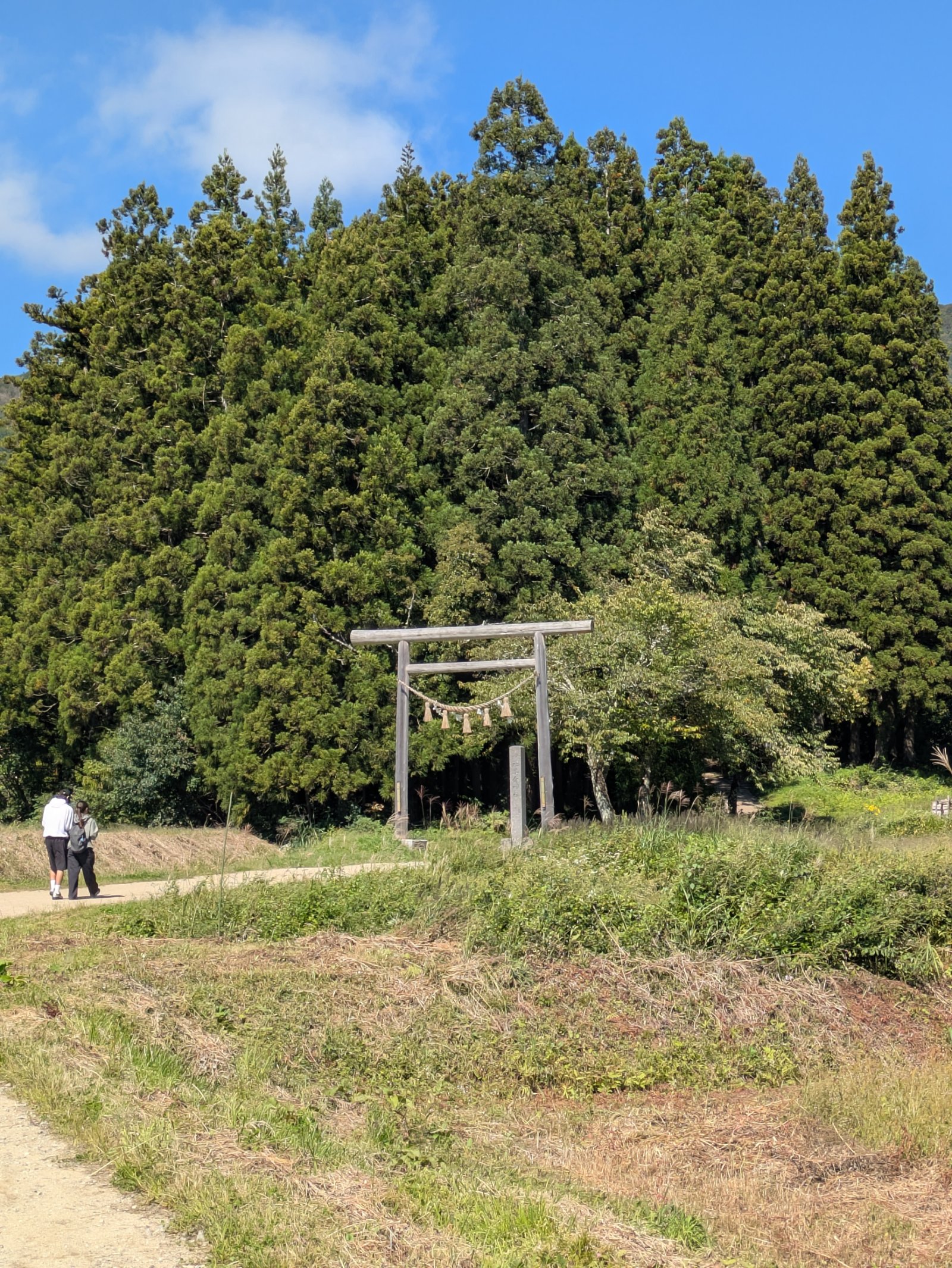
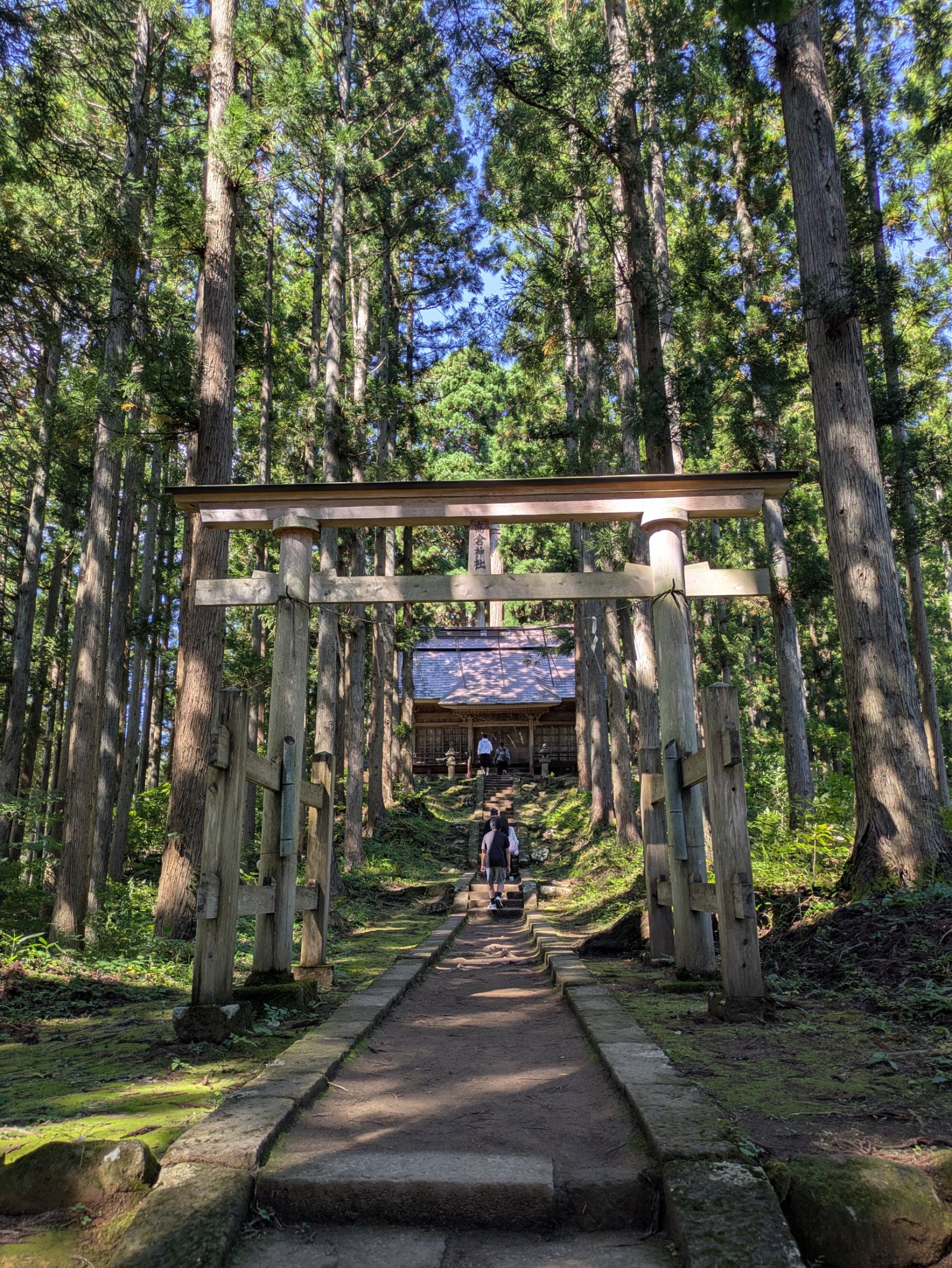
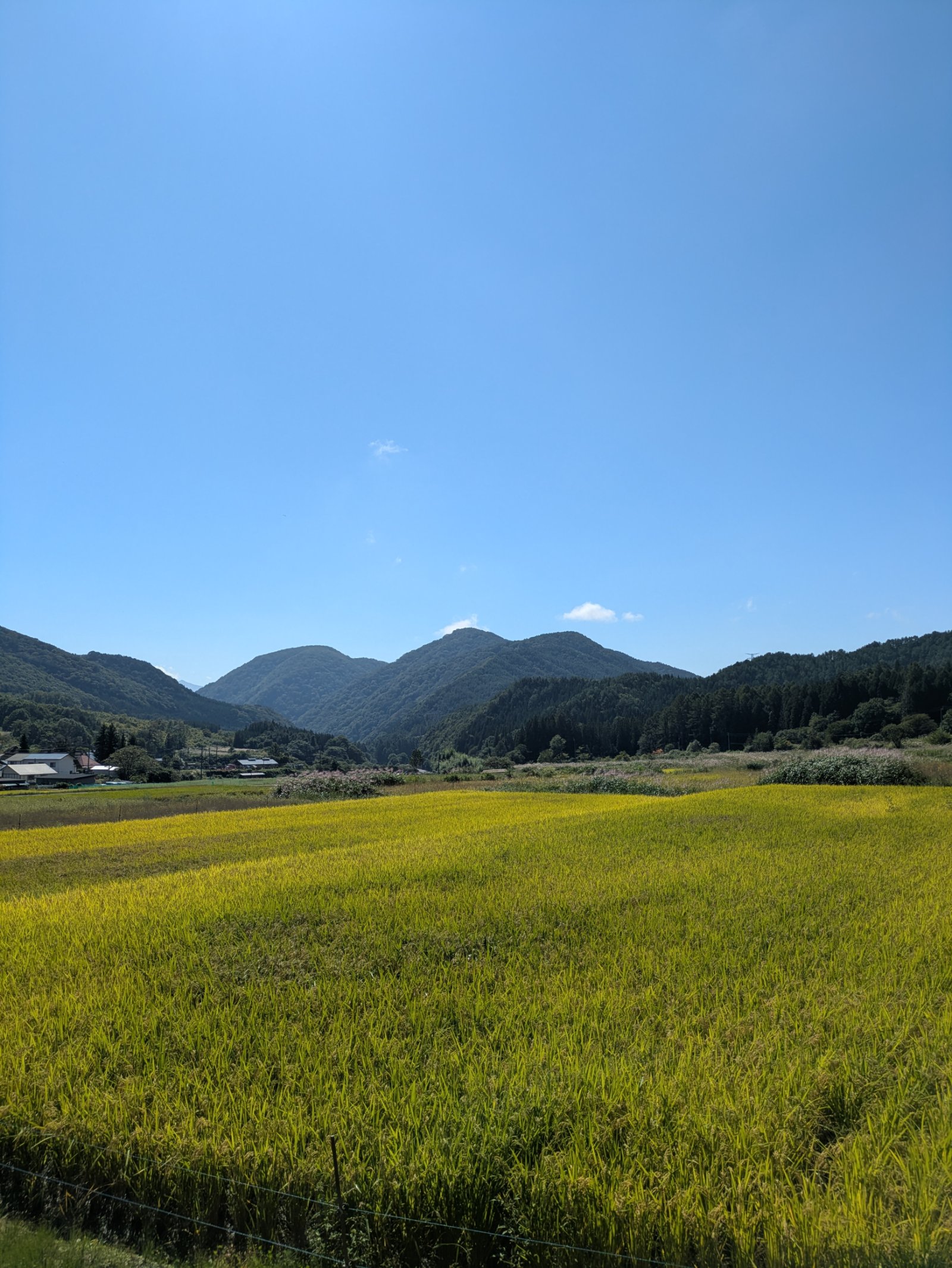
I cut across the peaceful rice paddies.
Climb a little way up the hill and you can see the whole of Ouchi-juku. I don’t think there are many towns in Japan besides Ouchi-juku with this many thatched roofs lined up along one street.
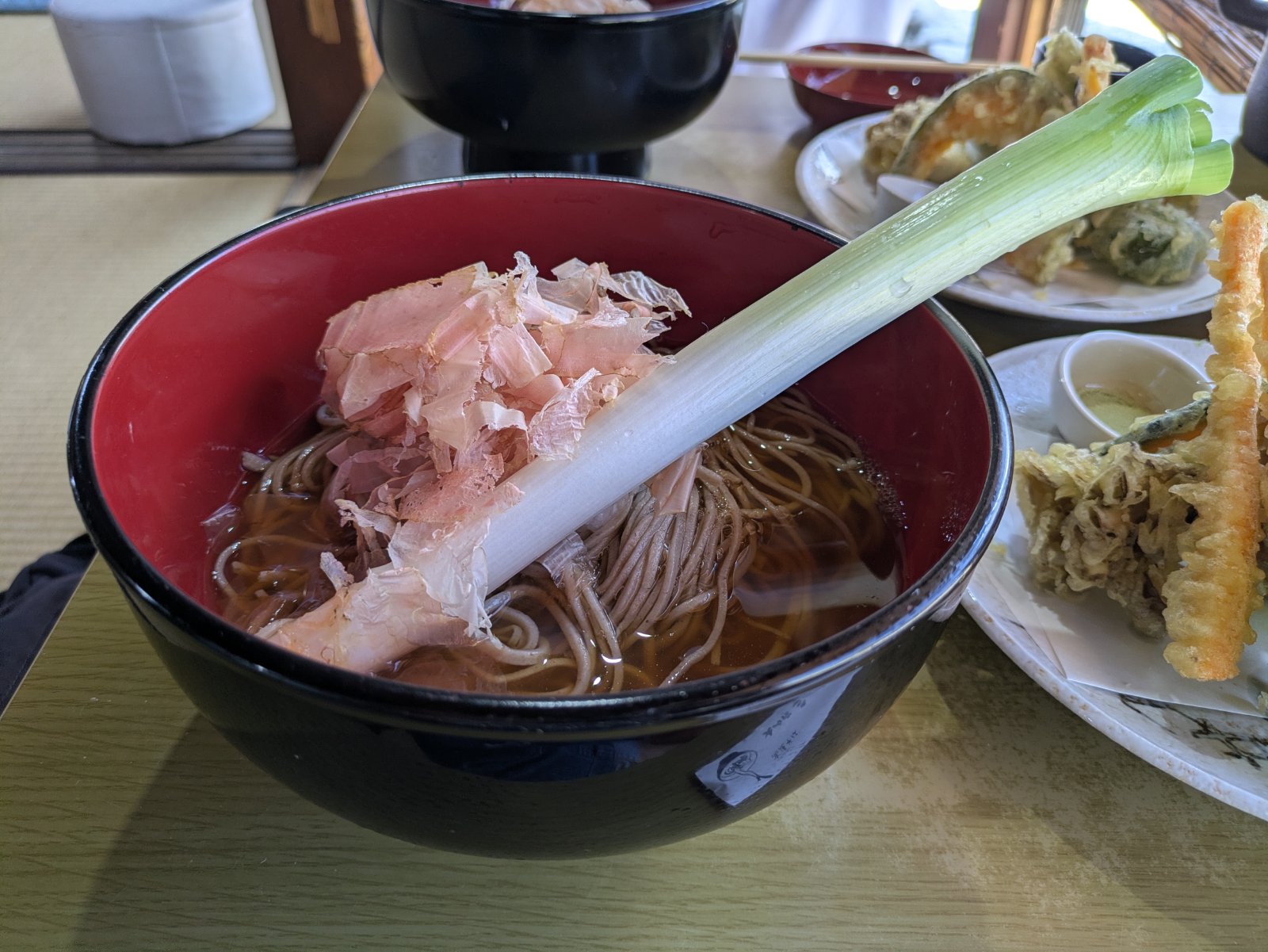
Ouchi-juku’s specialty is negi soba. I decided to eat at Misawaya, a place with some history. The dish is exactly what the name says, soba with negi (a long Japanese leek), and its defining feature is that, believe it or not, you don’t eat it with chopsticks. You scoop up the noodles with the leek. (There are chopsticks on the table, just in case.) And every so often you bite off a piece of the leek (lol). No chopsticks needed, no need to cut the leek. A marvelous bit of everyday wisdom. I would never call it lazy. It’s wisdom.
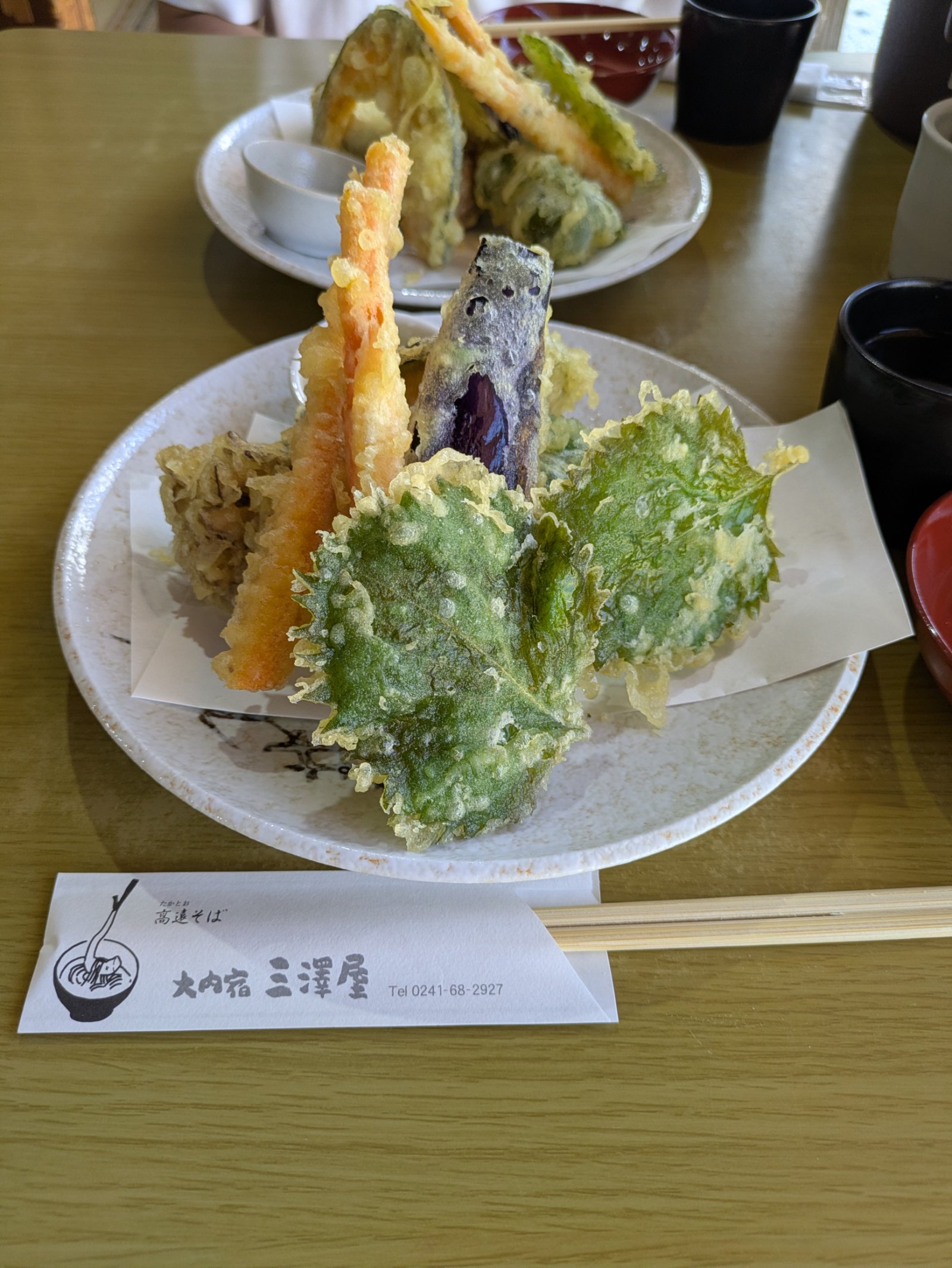
The tempura was good too. The carrot was sweet. The vegetables in Tohoku, the northeast of Japan, are just plain delicious.
Apparently you can take any leftover leek home. The shop gives you a simple plastic bag. I had bitten through more than half of mine and had enjoyed it plenty, so I didn’t take it home.
There are lots of souvenir shops in Ouchi-juku. They’re overflowing with Chiikawa merchandise (Chiikawa is a hugely popular cartoon character franchise; the name comes from chiisakute kawaii, “small and cute”). Ouchi-juku is quite a long way from the city of Fukushima, but it is technically in Fukushima Prefecture, so if you looked, you could probably find a Fukushima regional-edition Chiikawa too.
Every now and then I pass foreign visitors, too, walking around with Chiikawa characters hanging from their bags. The idea of “small and cute” crosses the barriers of country and language by way of a cartoon character. Cute isn’t made by cosmetics. It’s made by Chiikawa. Chiikawa, you’re something else.
As for me, I don’t really collect Chiikawa goods, so I bought a pair of Aizu lacquerware chopsticks and headed home.
To be continued on the next trip