Tohoku
Staying at a Shukubo on Mt. Haguro
- Where
- Yamagata Prefecture
- When
- September 2026, 3 days, 2 nights
- Route
- Tokyo Station → (JR local trains, 4 transfers, 11 hours 30 minutes) → Tsuruoka Station → 20 minutes by rental car. *For a faster route: Tokyo Station → (JR Shinkansen bullet train, 2 hours) → Niigata Station → (JR Inaho limited express, 2 hours) → Tsuruoka Station → 20 minutes by rental car
- Cost
- Train tickets, rental car, and lodging: ¥50,000 total
This article contains affiliate links. If you book through one of them, we may earn a commission at no extra cost to you.
More than ten years ago, I saw the five-story pagoda on Mt. Haguro in Yamagata Prefecture. It was so beautiful that I wanted to see it again. Last time it stood in snow, so this time I picked a season when the green would really stand out.
I wanted an easygoing trip. So I decided to go by local trains.
At 7 a.m., I board the same train I take to work every day. Today I’m going much, much farther than the office.
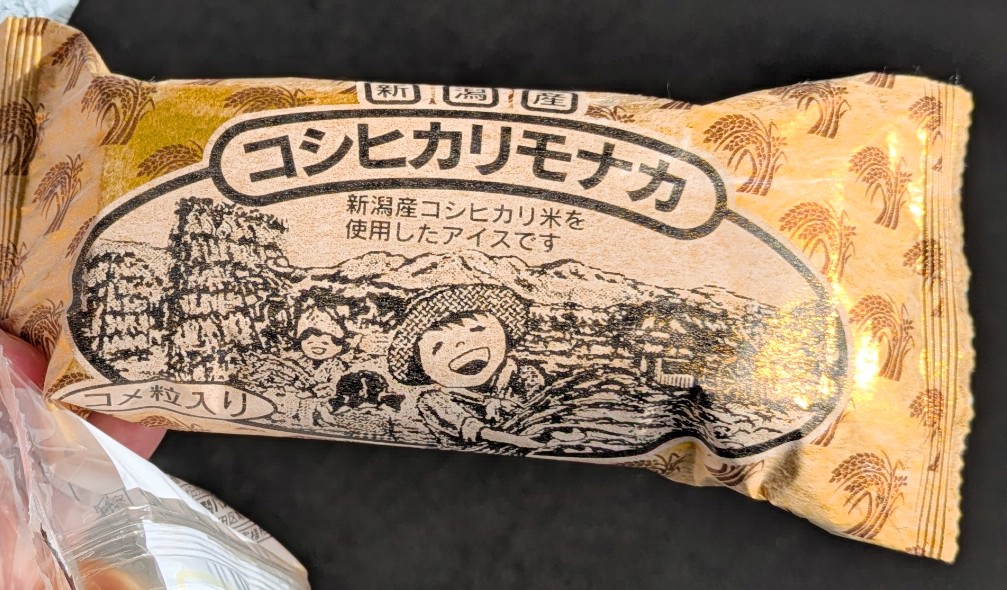
Partway there, in Niigata, rice country, I buy a rice ice cream. Its gentle sweetness is delicious.
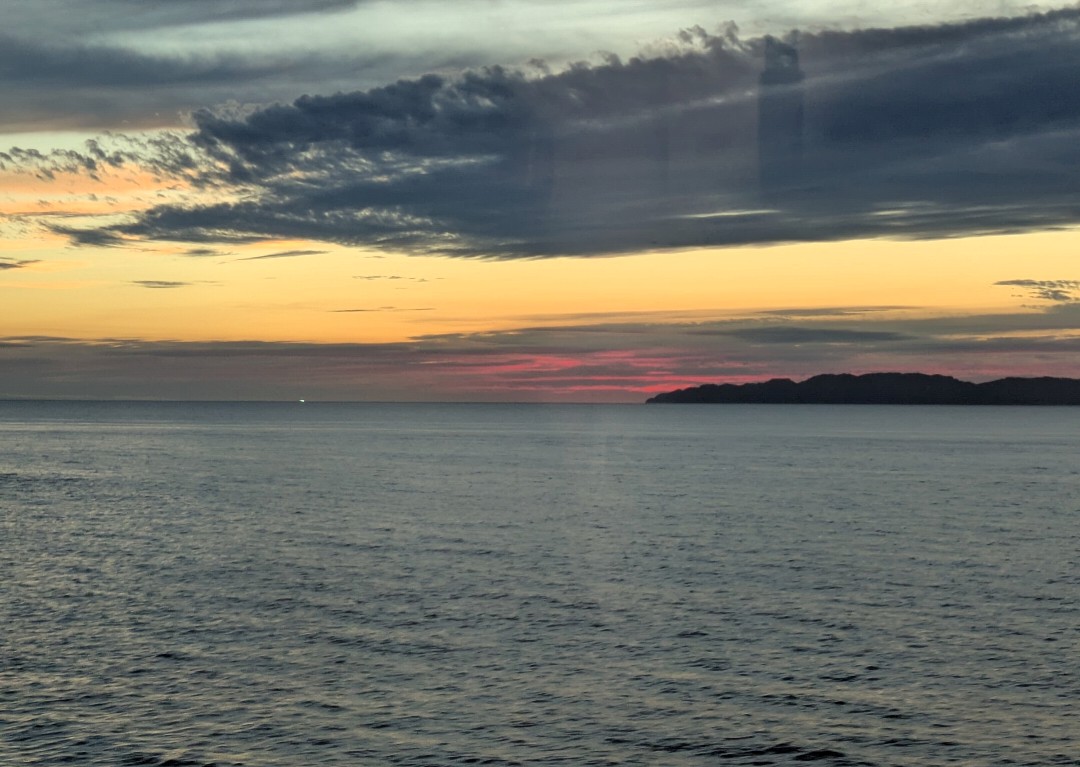
At the border between Niigata and Yamagata, I meet the sunset. The red clouds are beautiful. I don’t usually look at the sky, but maybe it turns this lovely red every single day.
I reached Tsuruoka Station, my destination, at 7 p.m. Somewhere along the line, someone had been hit by a train, and we were delayed.
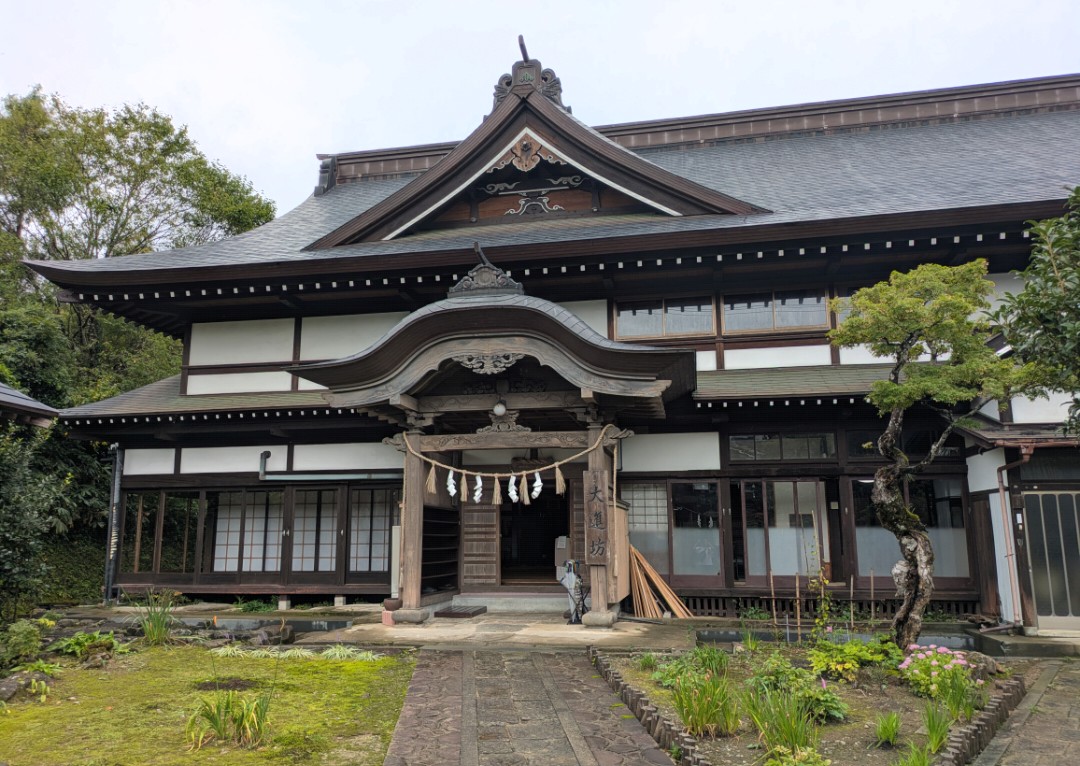
Tonight’s lodging is Daishinbo, in the shukubo (temple/shrine lodging) district on Mt. Haguro. I rented a car at Tsuruoka Station and drove about 20 minutes to get there. Thanks to the delay, I had completely missed the check-in time (6 p.m.), but when I called, knowing full well it was a lot to ask, they kindly let me stay anyway. I was grateful.
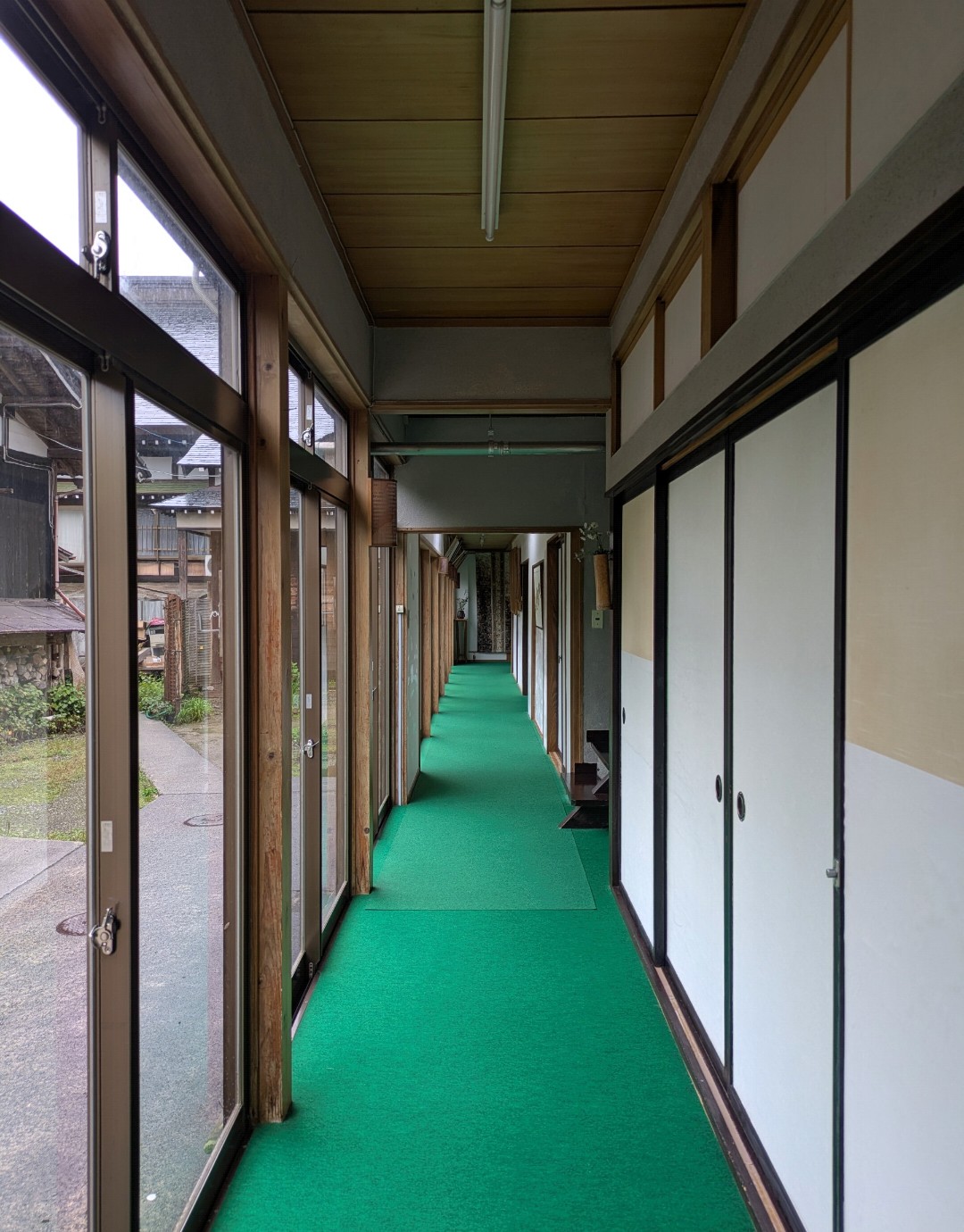
The building is old-fashioned and wooden, but beautifully kept and very comfortable. Just my kind of place.
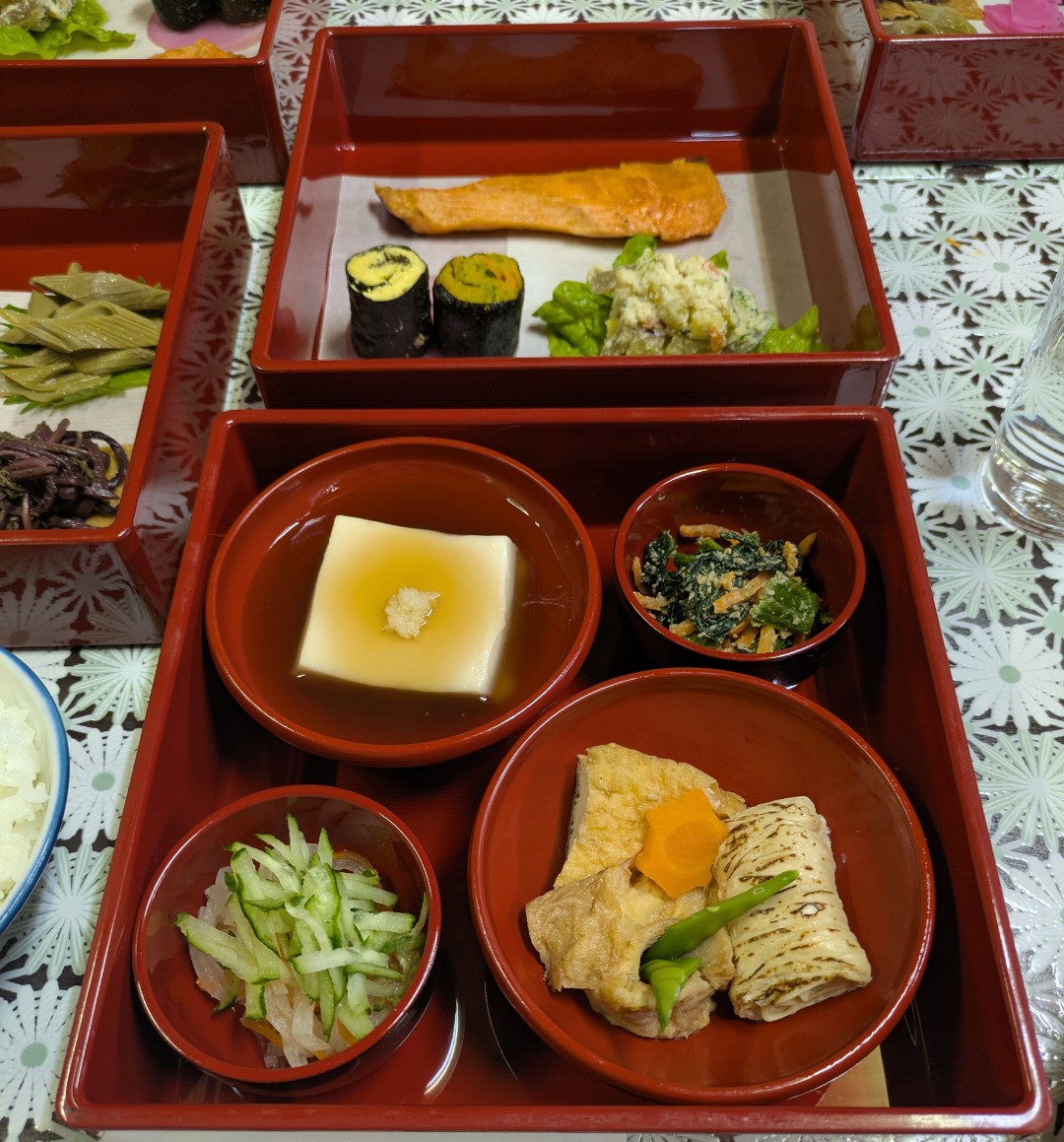
Dinner was shojin ryori (Buddhist vegetarian cuisine), the kind of meal shukubo are known for. No meat, mostly vegetables. Mountain greens, vegetables dressed in sesame, pickles: everything was delicious. The sesame tofu in particular was superb, smooth yet springy, with a lovely flavor. Apparently it takes a great deal of work to make. Only guests at Daishinbo get to eat it. A little reward from the inn.
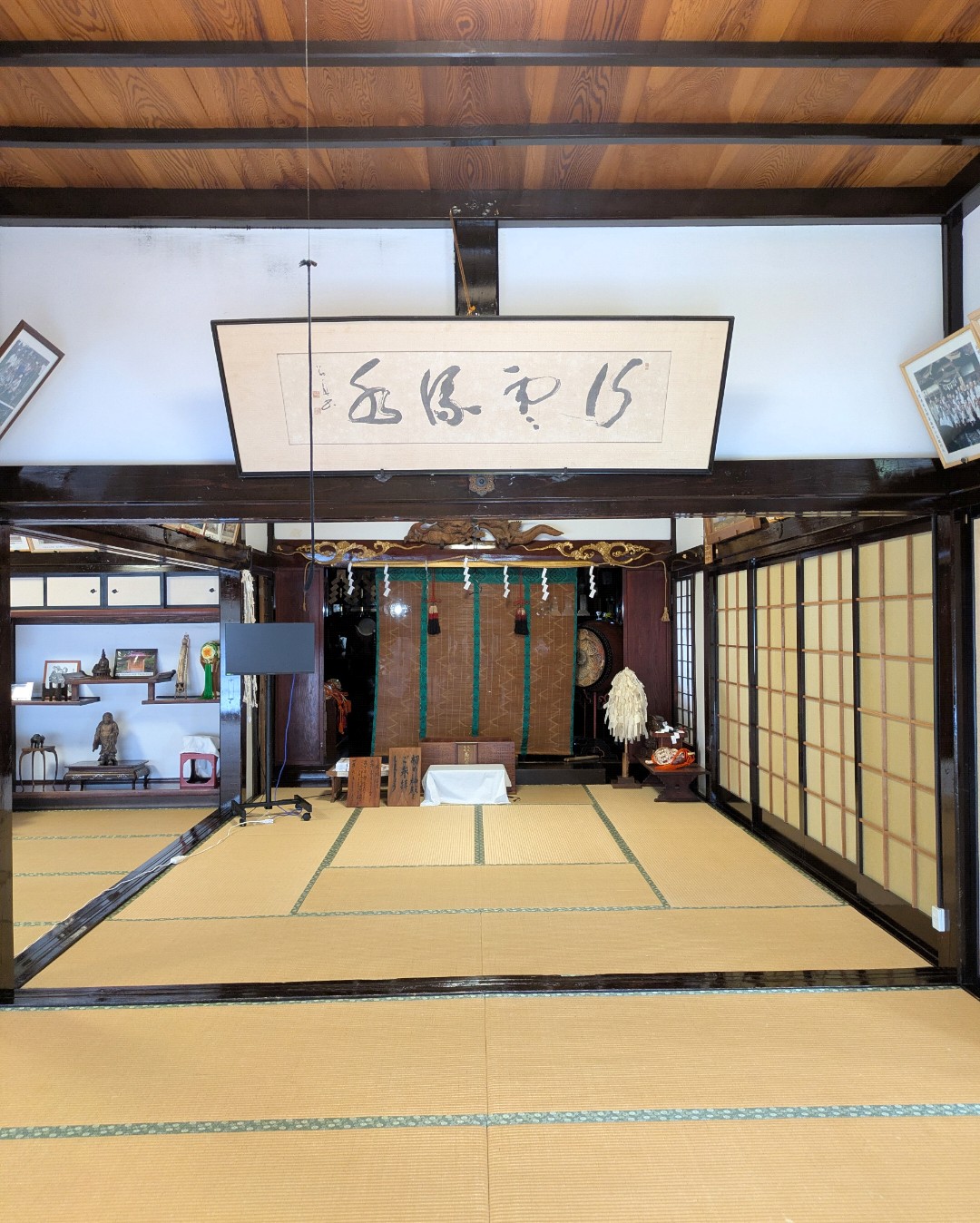
At Daishinbo, a prayer ritual is held every morning from 7 a.m. You recite norito (Shinto prayers) together with the priest (the owner of Daishinbo, I think). I’m not especially devout, but somehow it leaves me feeling clear and refreshed.
Then breakfast. What stayed with me was the oshiruko (sweet red bean soup) with mochi made from horse chestnuts. Apparently they’re called chikara mochi (“strength” rice cakes). Maybe it’s a meal meant for people heading up Mt. Haguro. I’m one of them, so the thoughtfulness made me happy.
With a full stomach, I set off for the five-story pagoda of Mt. Haguro, the reason for this whole trip.
To be continued