Tohoku
Kitakata: Morning Ramen and a Sake Brewery Stroll
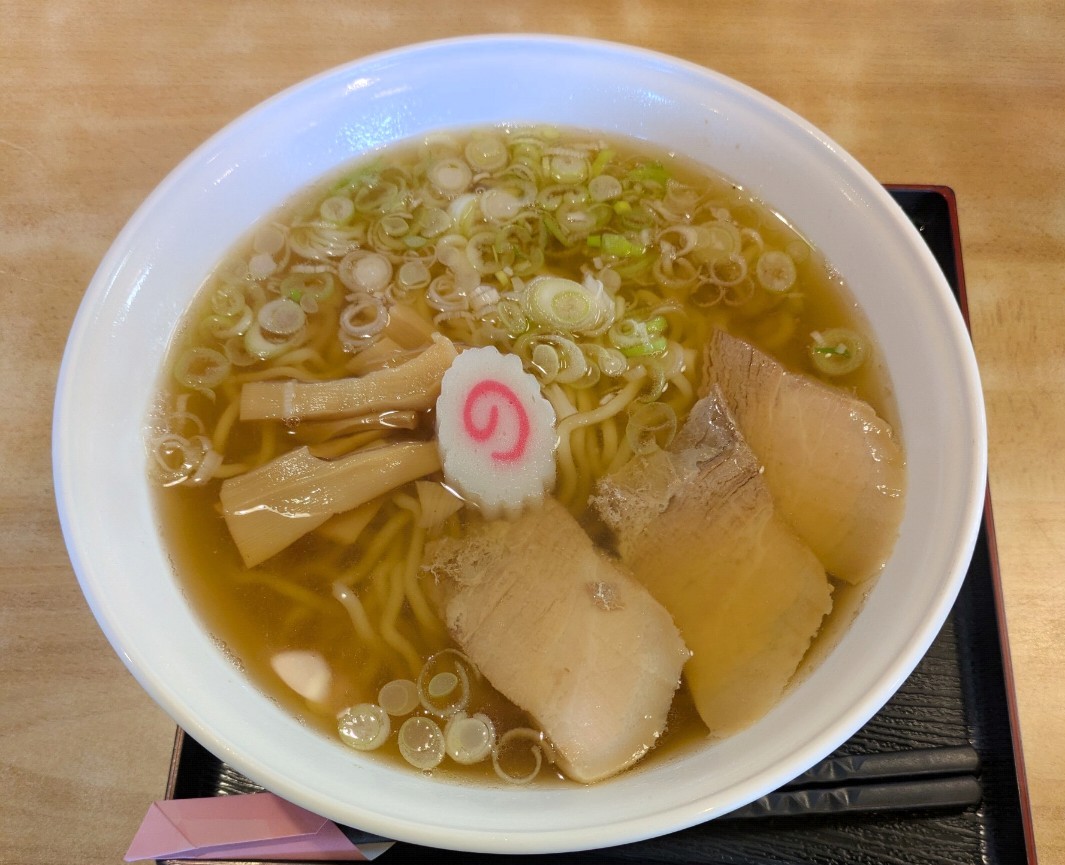
- Where
- Fukushima Prefecture
- When
- September 2026, 2 days, 1 night
- Route
- Tokyo Station → (JR Yamabiko Shinkansen, 1 hr 40 min) → Koriyama Station → (JR Banetsu West Line rapid train, 65 min) → Aizuwakamatsu Station → (JR Banetsu West Line local train, 15 min) → Kitakata Station → a short walk
- Cost
- ¥30,000
I arrive at Kitakata Station in the morning and drop my bags at tonight’s lodging, Sasaya Ryokan (a traditional Japanese inn). It was before check-in, but they gladly kept my luggage in the back for me.
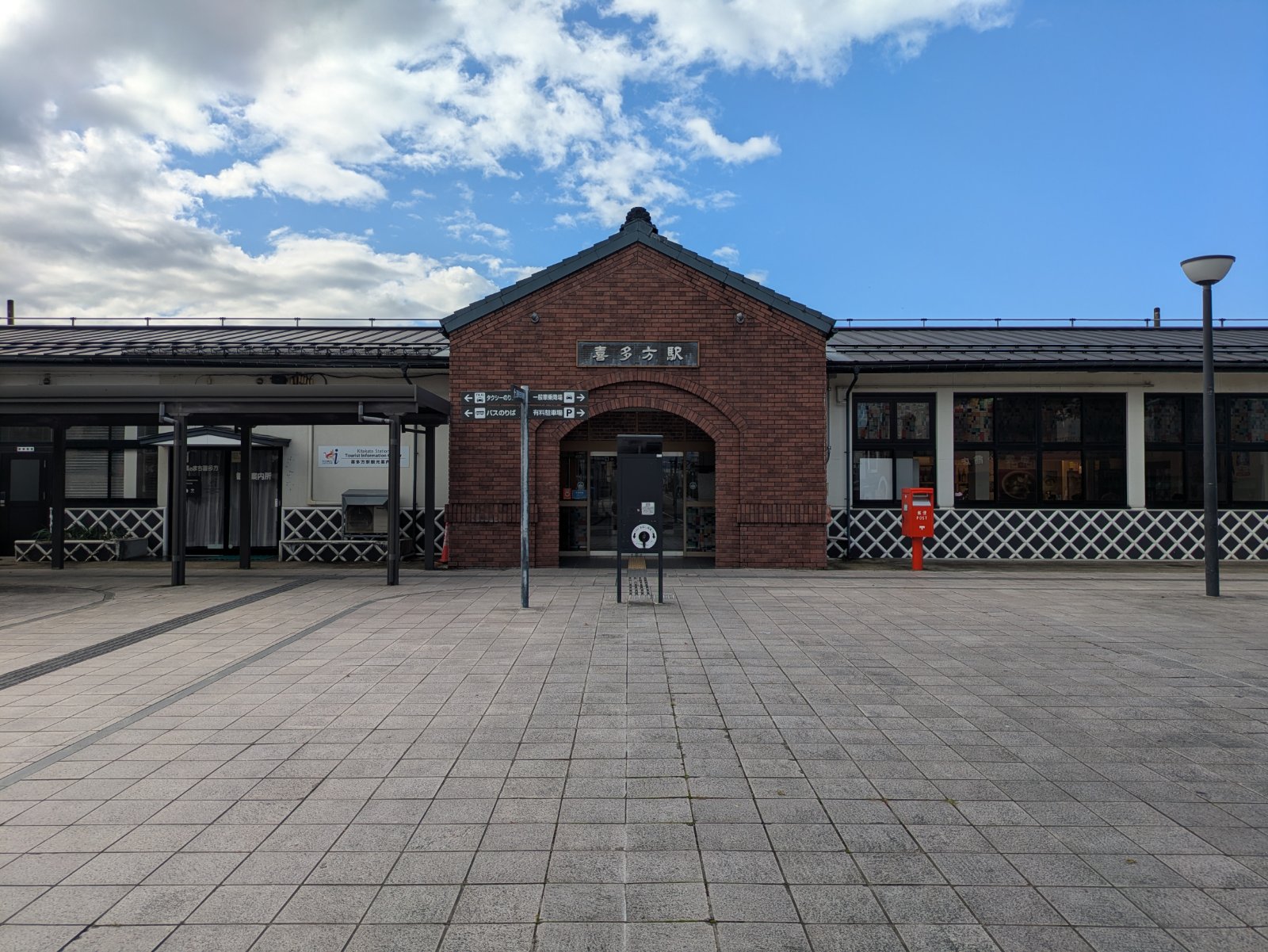
Kitakata means morning ramen. Apparently there’s a culture here of eating ramen first thing in the day. The story goes that it started with laborers who worked from dawn. Where I’m from, around Sapporo in Hokkaido, miso ramen is the famous one, but nobody eats it in the morning. If anything it’s dinner, or even the closer at the end of a night of drinking. Having come all the way to Kitakata, I had no choice but to do morning ramen.
There are probably more great shops than you could ever list, but Bannai Shokudo comes up on every website, so I figure it’s far and away the most famous. So I headed for Bannai Shokudo, only to find it was the height of Silver Week (a cluster of autumn public holidays), and the line was so long you’d think it was some famous Tokyo spot.
Not wanting to waste time, I gave up on Bannai Shokudo and headed to Kikusui instead. When I got there, the place had only just filled up, and I got in without much of a wait.
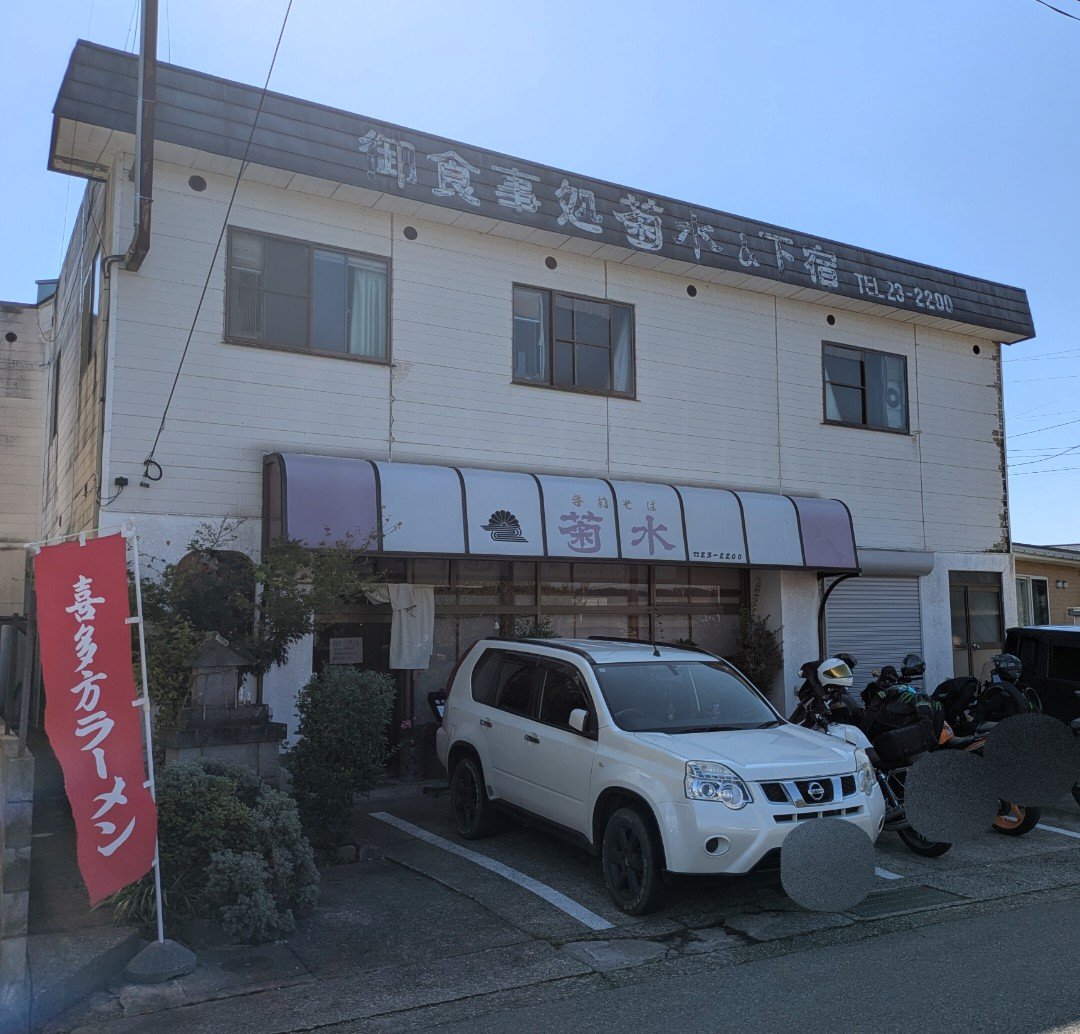
I order the “ra~men,” which sits at the top of the menu and is probably the signature dish. Before long, it arrives. Itadakimasu. Slurp. …Delicious! Slurp, slurp, slurp. Seriously delicious!!
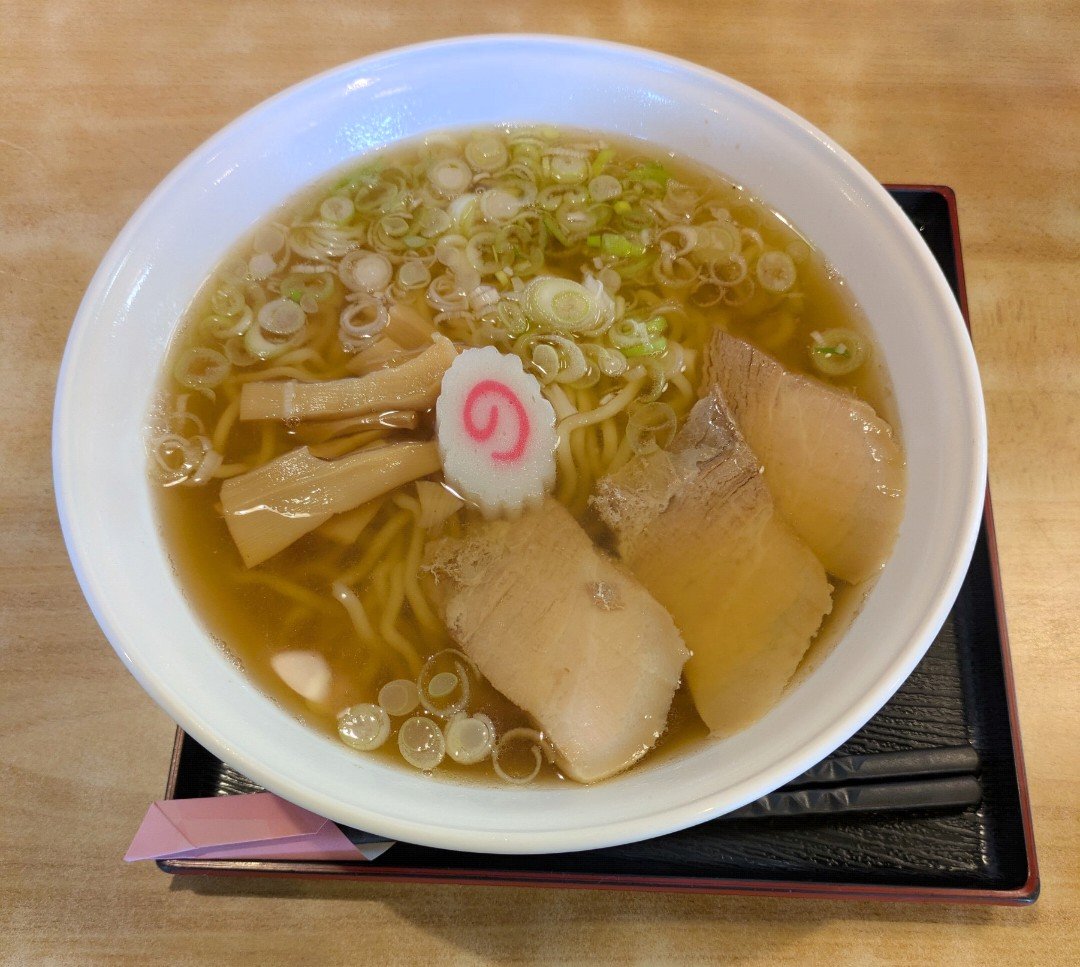
It’s soy-sauce based, fragrant with ago dashi (flying fish broth). Light, but not bland: a clean saltiness that never gets heavy, perfect for the morning. I imagine the seasoning has been shaped by the morning ramen culture itself. At Kikusui you can have a superb breakfast without standing in a huge line. Unbeatable value, for both your money and your time.
And I thought morning ramen would probably never take root in Sapporo. I don’t think many people want rich miso ramen first thing in the morning.
With a full stomach, I walk around Kitakata. Kura, traditional earthen-walled storehouses, line the streets everywhere. Kitakata is also a town of kura. Apparently that’s because long ago people stored sake and miso in them, since they hold up well against fire. Maybe the kura also survived because the town wasn’t a target during the war, and escaped the rapid urbanization that came after it.
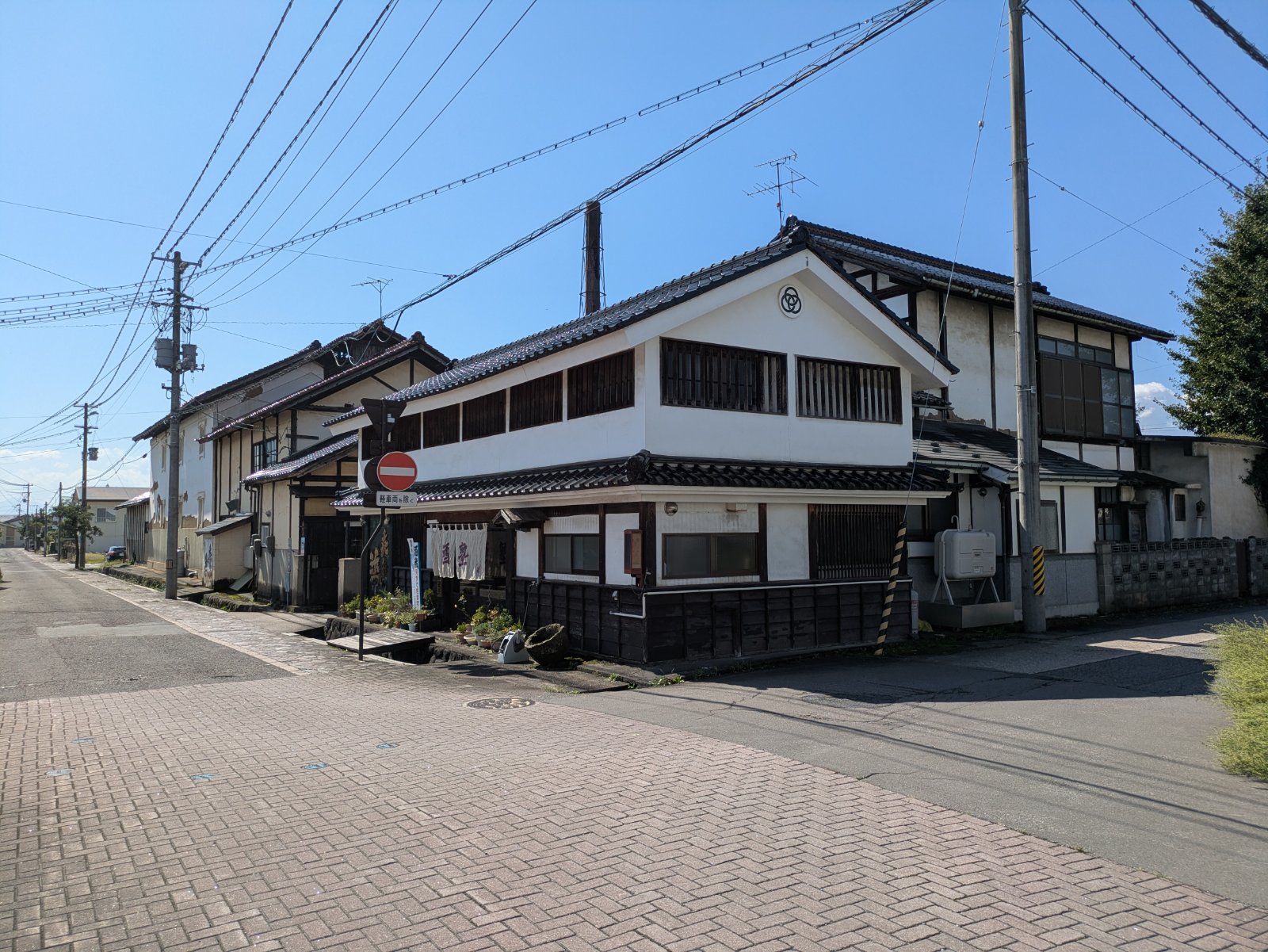
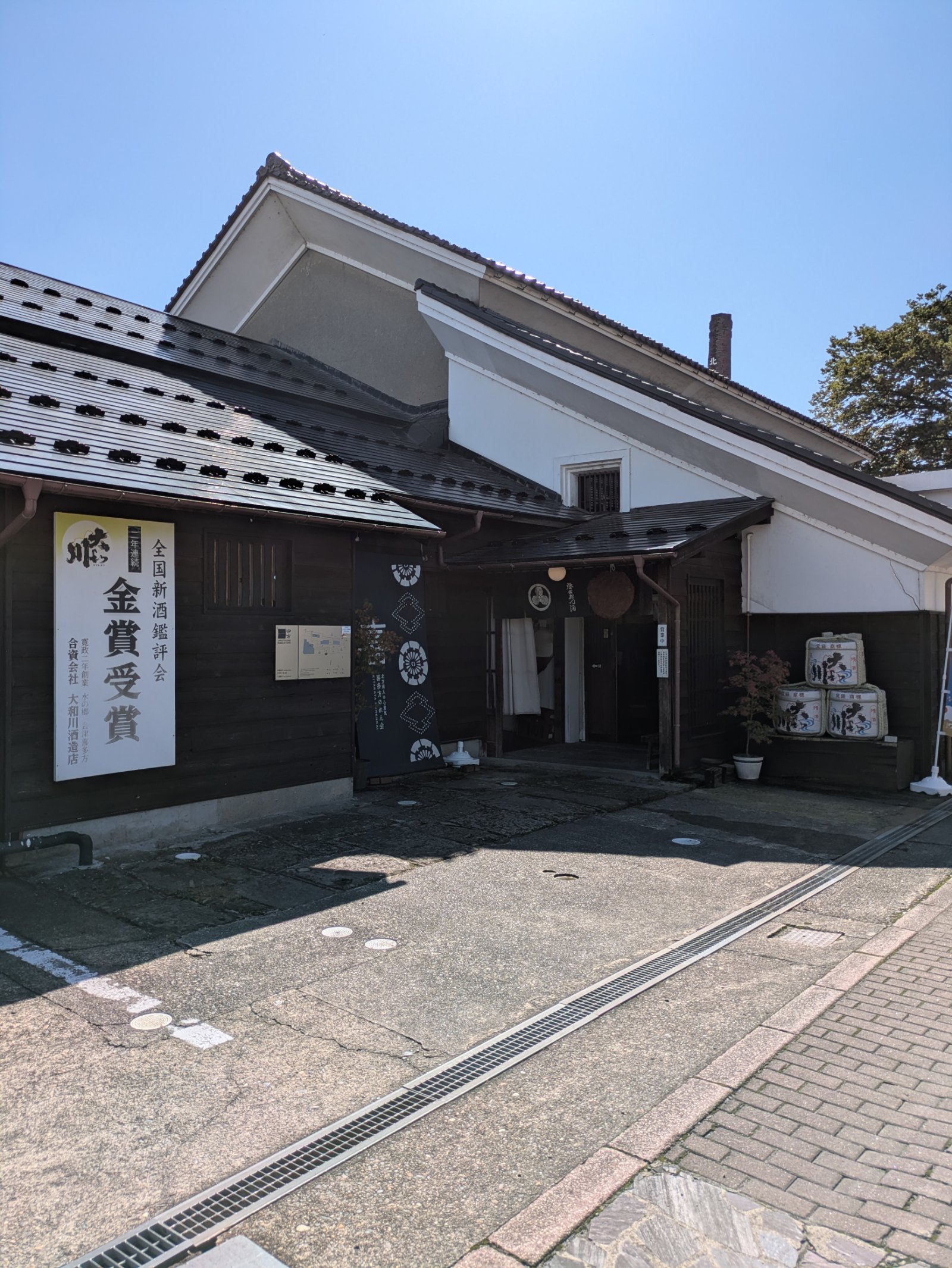
This is rice country, so there are plenty of sake breweries. I stopped in at one of them, Yamatogawa Brewery. I went looking to see whether they offered tastings, and it turns out you can taste more than ten kinds of sake there for free! On top of that, you can drink as much of their brewing water as you like, so there’s no shortage of yawaragi-mizu (water sipped between sakes). Incredible.
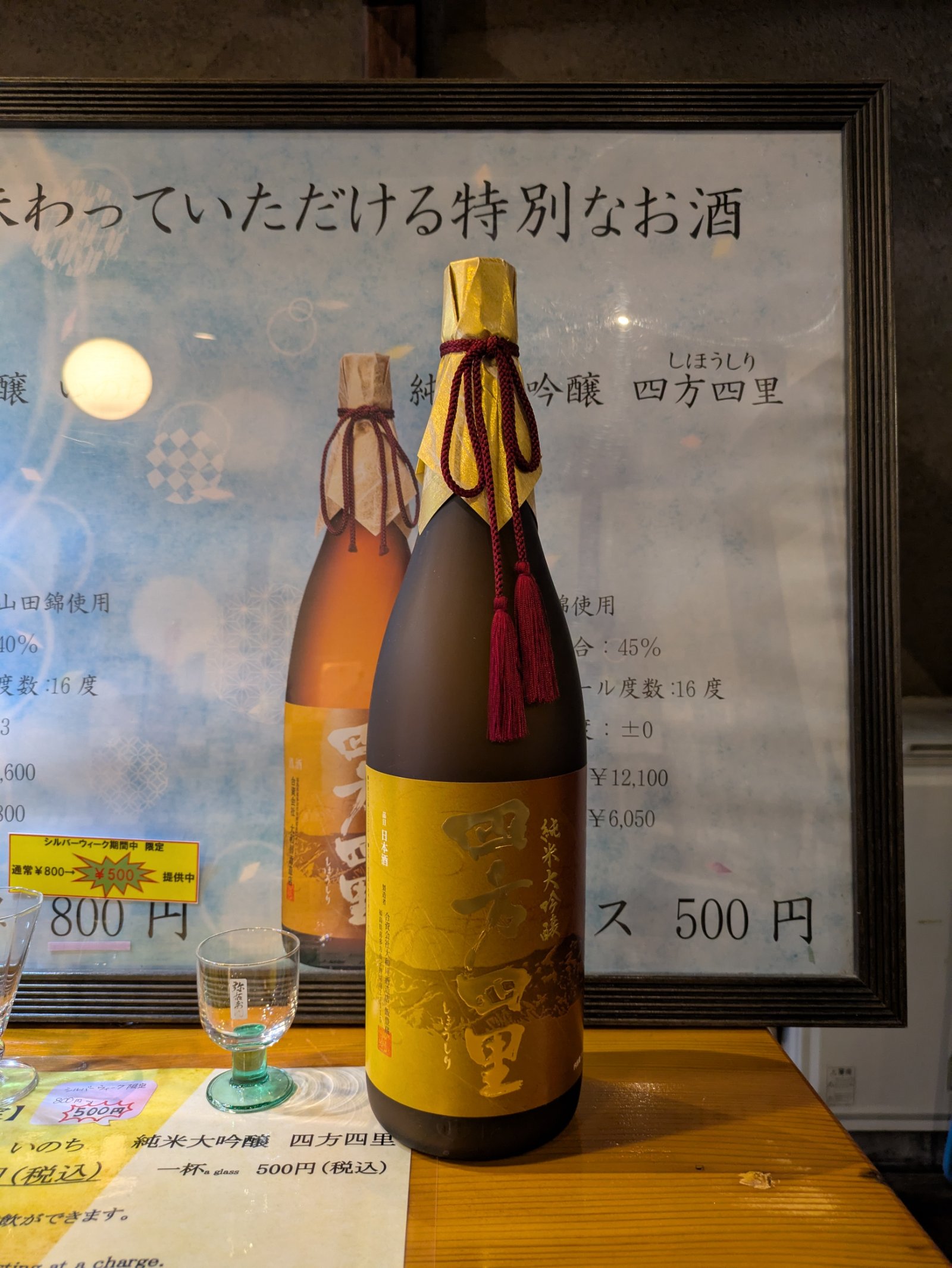
They have everything from very sweet to very dry. And all of it is good. I lean toward sweeter sake, and I loved the junmai ginjo Yauemon. I bought a bottle on the spot. I’ll be enjoying Kitakata at home, too.
The junmai daiginjo was a paid tasting, but you can try it for a single coin. Since I was there, I gave it a go. Lovely aroma. Gulp. As junmai daiginjo goes, it’s one where sweetness, acidity and umami are intricately tangled together, with real depth. It must be a sake the brewery puts its heart into. Very delicious.
In my university days, I remember ordering cheap sake on an all-you-can-drink deal at a cheap izakaya, and it was not good. I avoided sake after that. The turning point came a few years ago. A sake I tried at a sake event out in the city was far and away delicious. I’ve forgotten the brand, but I was moved by how good sake could be, and ever since I’ve been drinking it wherever I travel. I’ve had sake all over the country, but Yamatogawa’s was right up my alley.
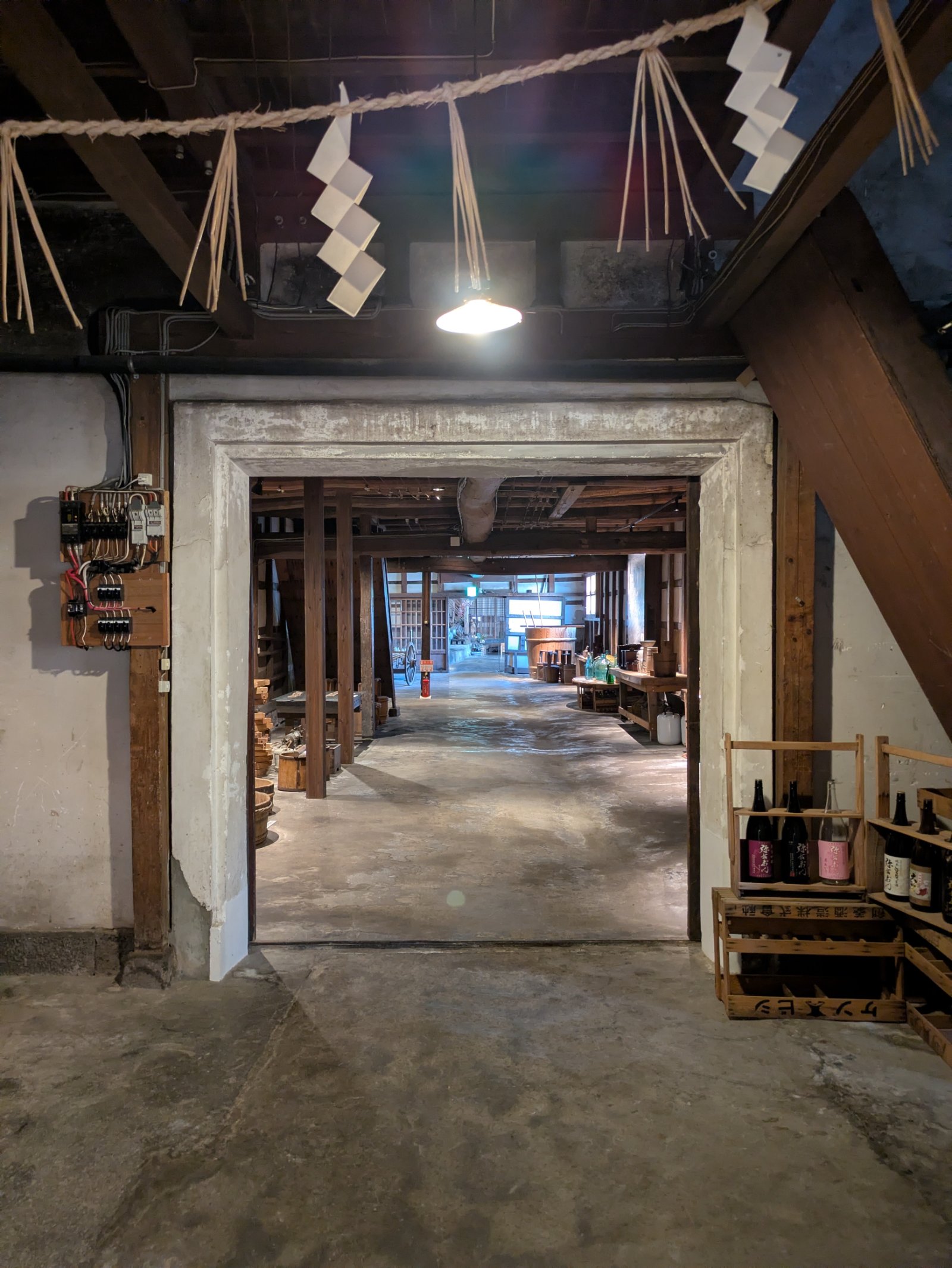
Sipping tropical drinks on a beach isn’t the only kind of resort. Kitakata, where you can eat ramen in the morning and drink sake before noon, is a resort too, I thought.
To be continued