Tohoku
Aizuwakamatsu: A Nanokamachi Stroll and the Samurai Residences
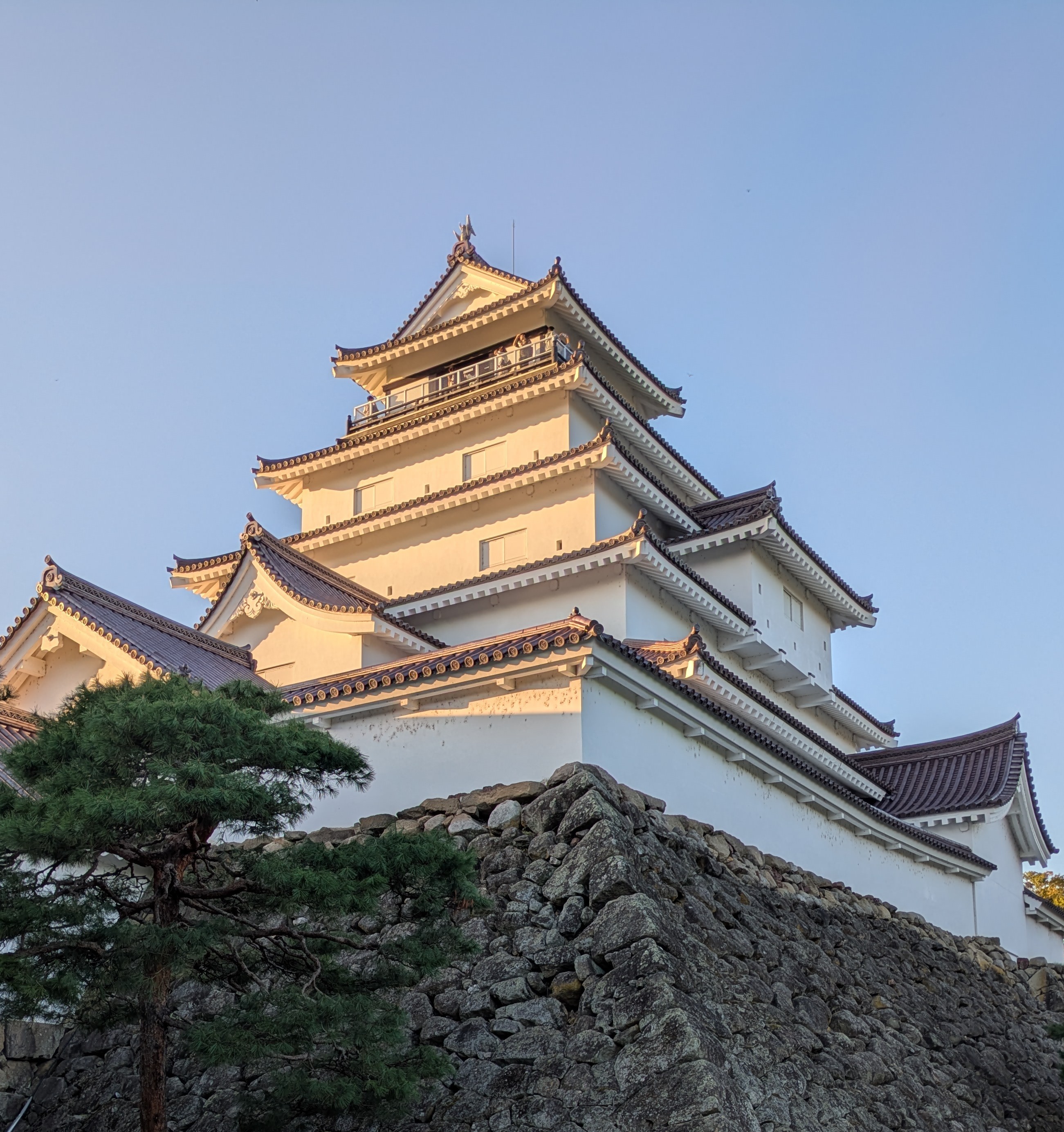
- Where
- Fukushima Prefecture
- When
- September 2026, 3 days, 2 nights
- Route
- Tokyo Station → (JR Yamabiko Shinkansen, 1 hr 40 min) → Koriyama Station → (JR Ban-etsu West Line rapid train, 65 min) → Aizuwakamatsu Station → Machinaka Shuyu Bus (town loop bus)
- Cost
- ¥30,000
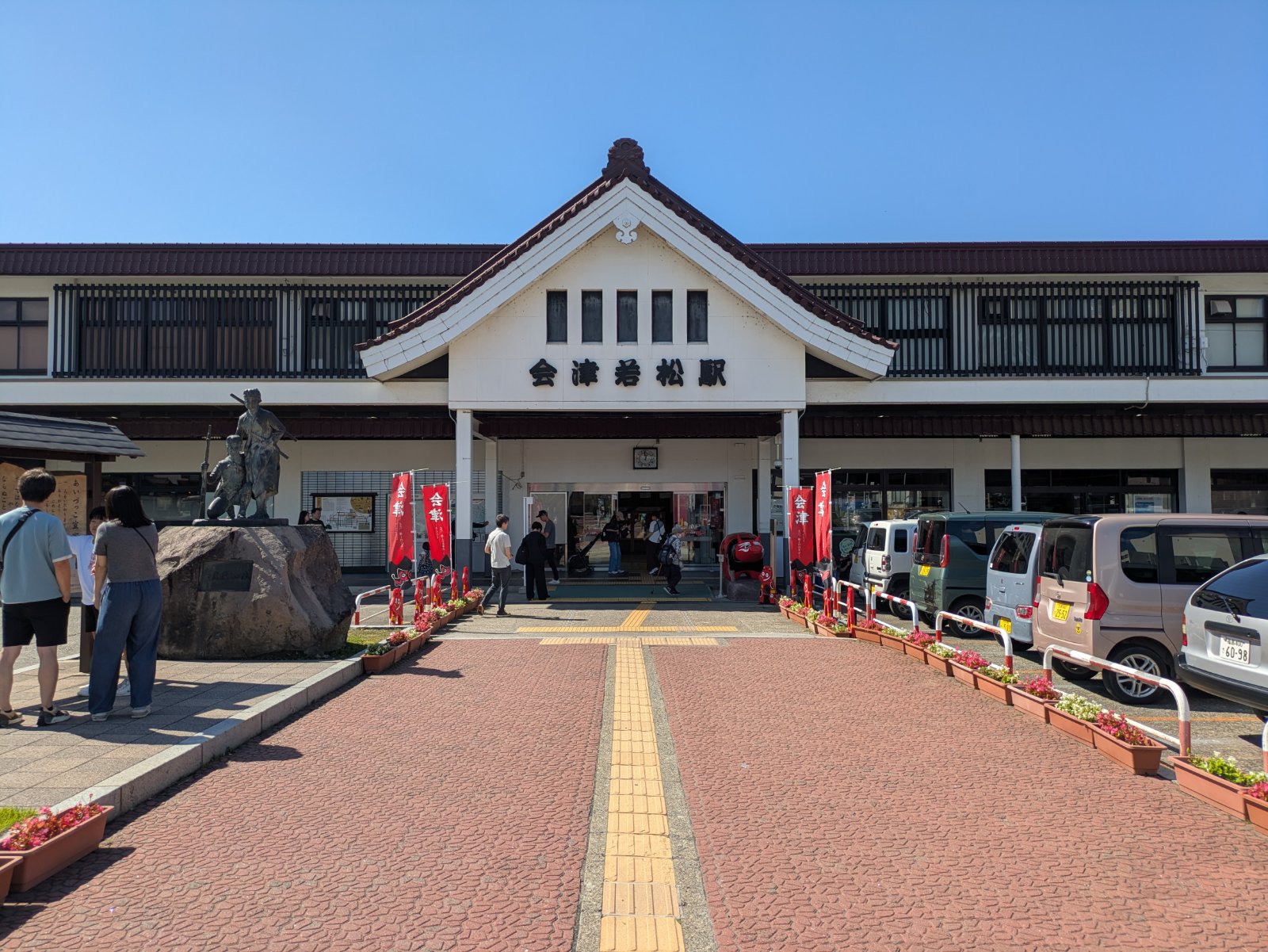
I left Kitakata and arrived in Aizuwakamatsu.
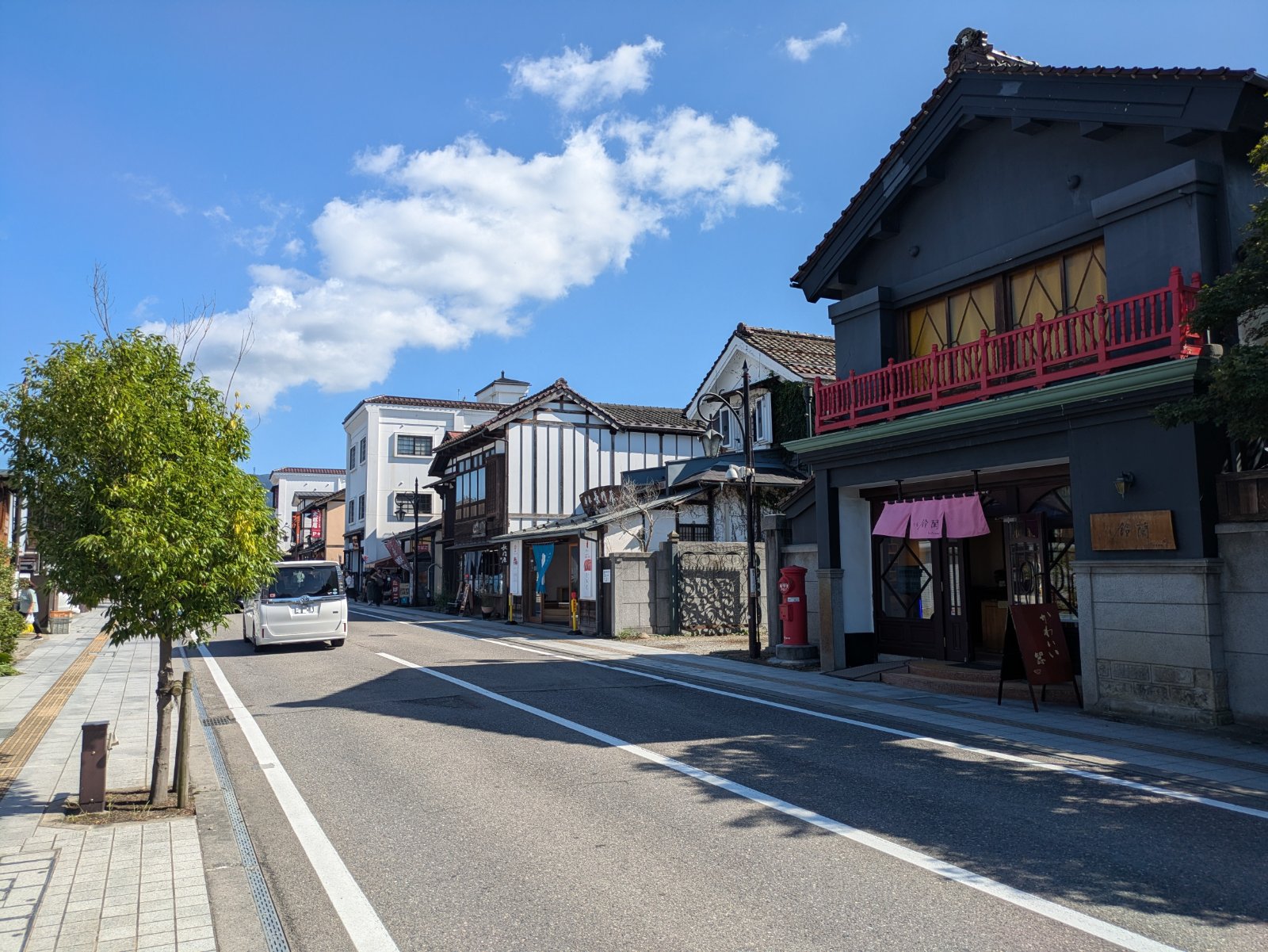
I took a bus to Nanokamachi, a street where the old townscape still survives.
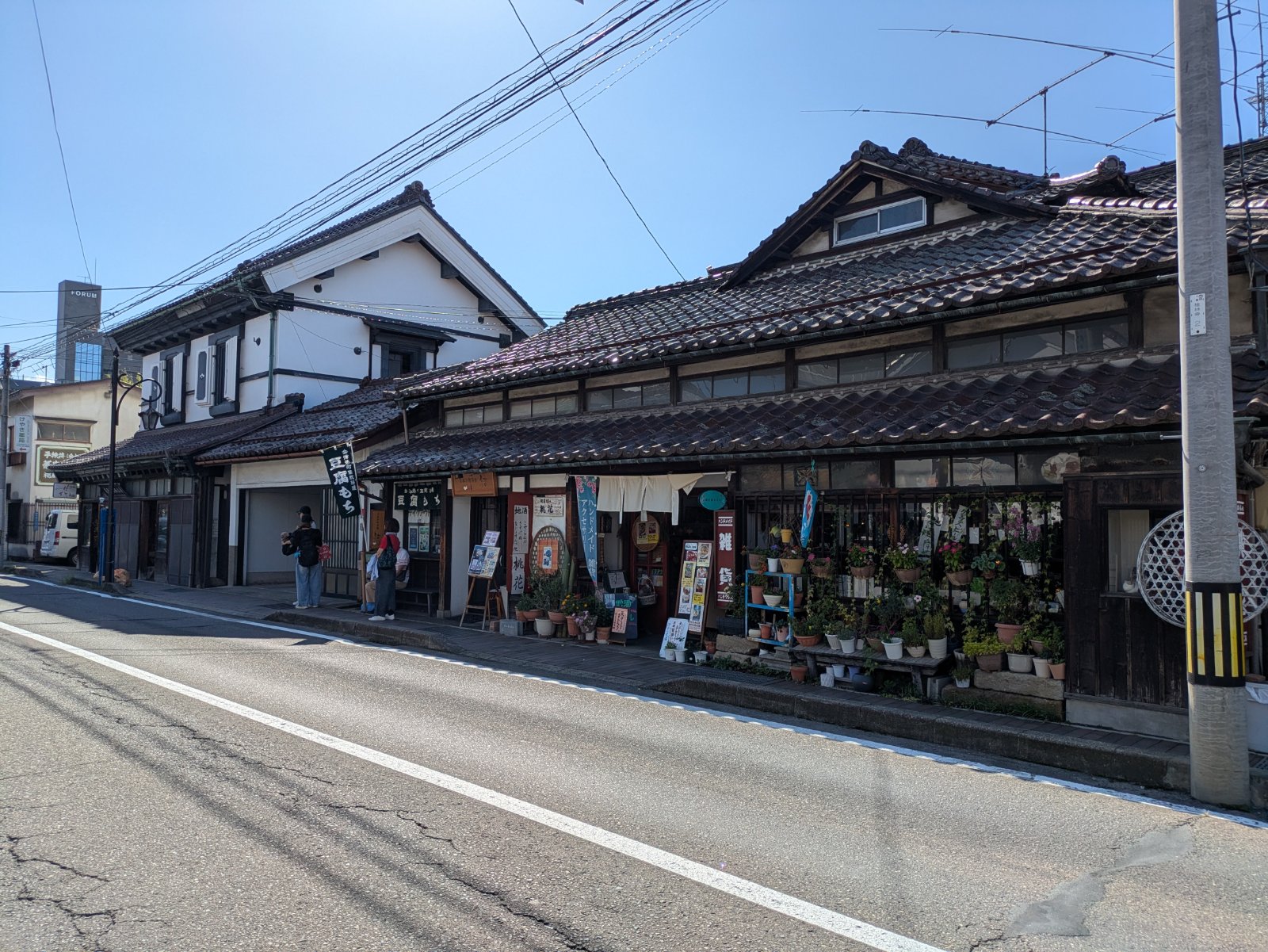
Nanokamachi has plenty of sweet shops, and you can try wagashi (traditional Japanese confections). Kumanoya sells shingoro mochi. The sweet-and-savory soy-based sauce goes well with the chewy, springy rice cake.
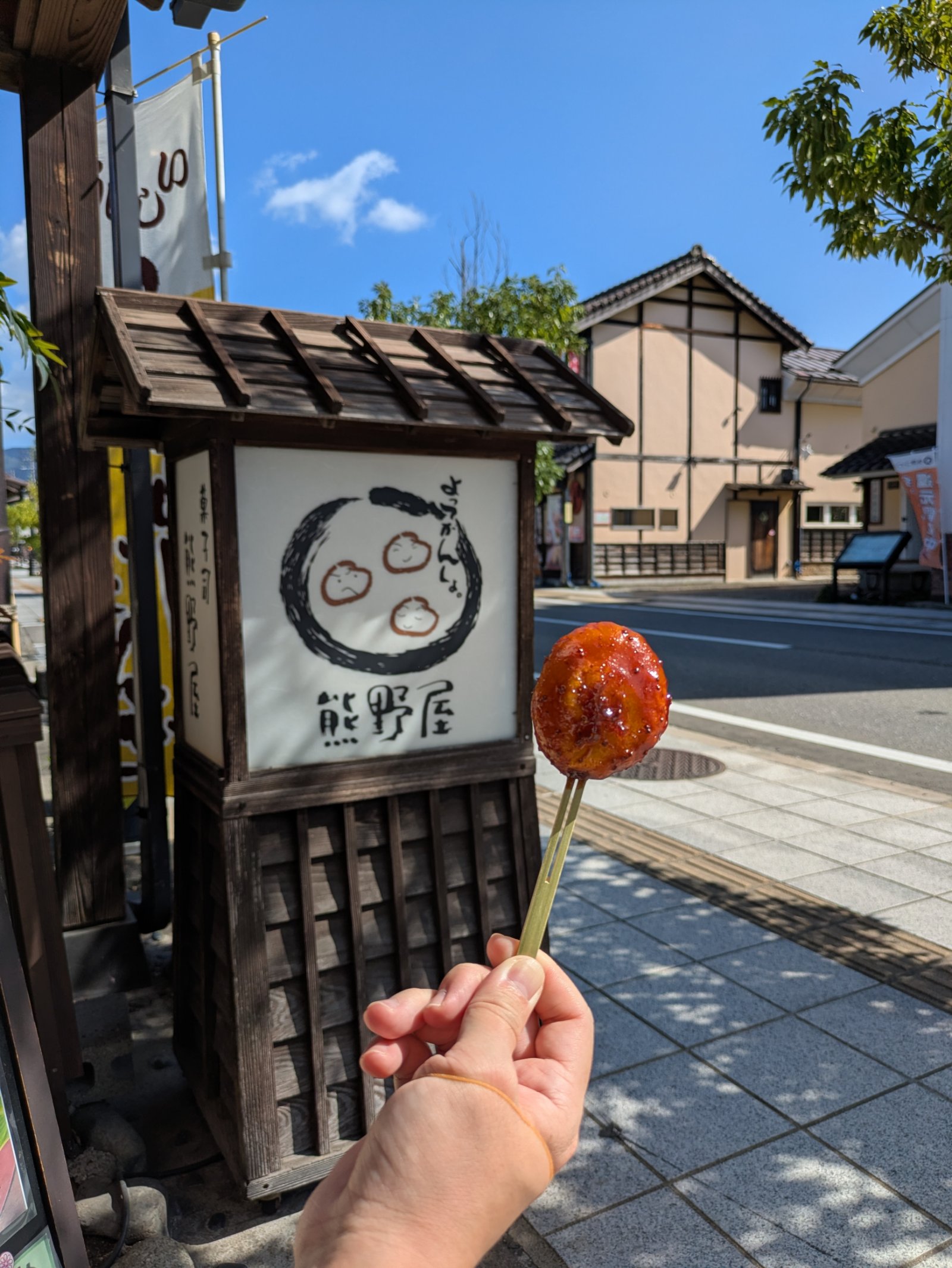
I headed to the samurai residences.
More than 100 years ago, the old domain of Aizu fought against what is now the Japanese government, and lost. Before Japan fought in the world wars, it fought within itself. The samurai residences hold the memory of that war at home.
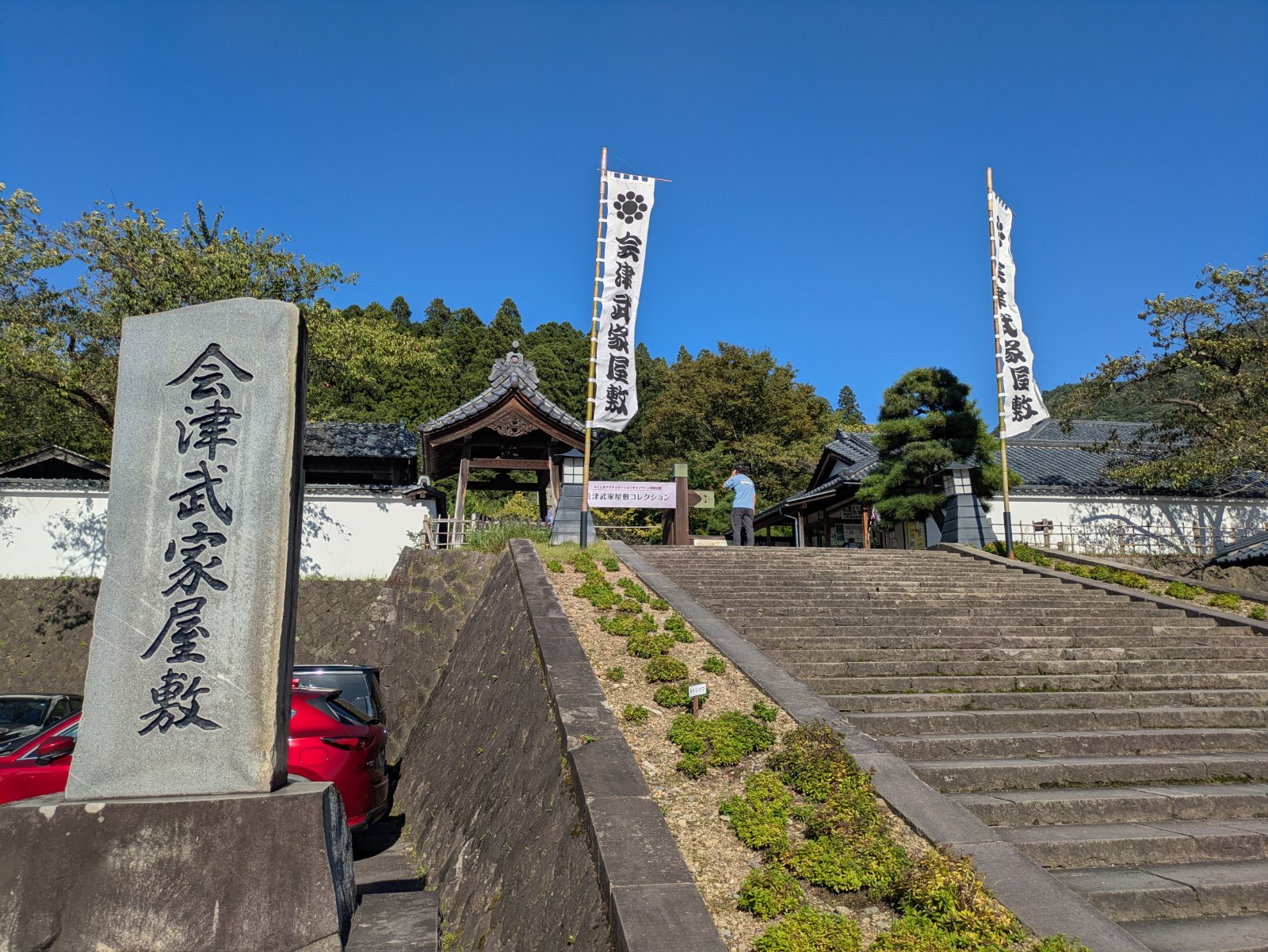
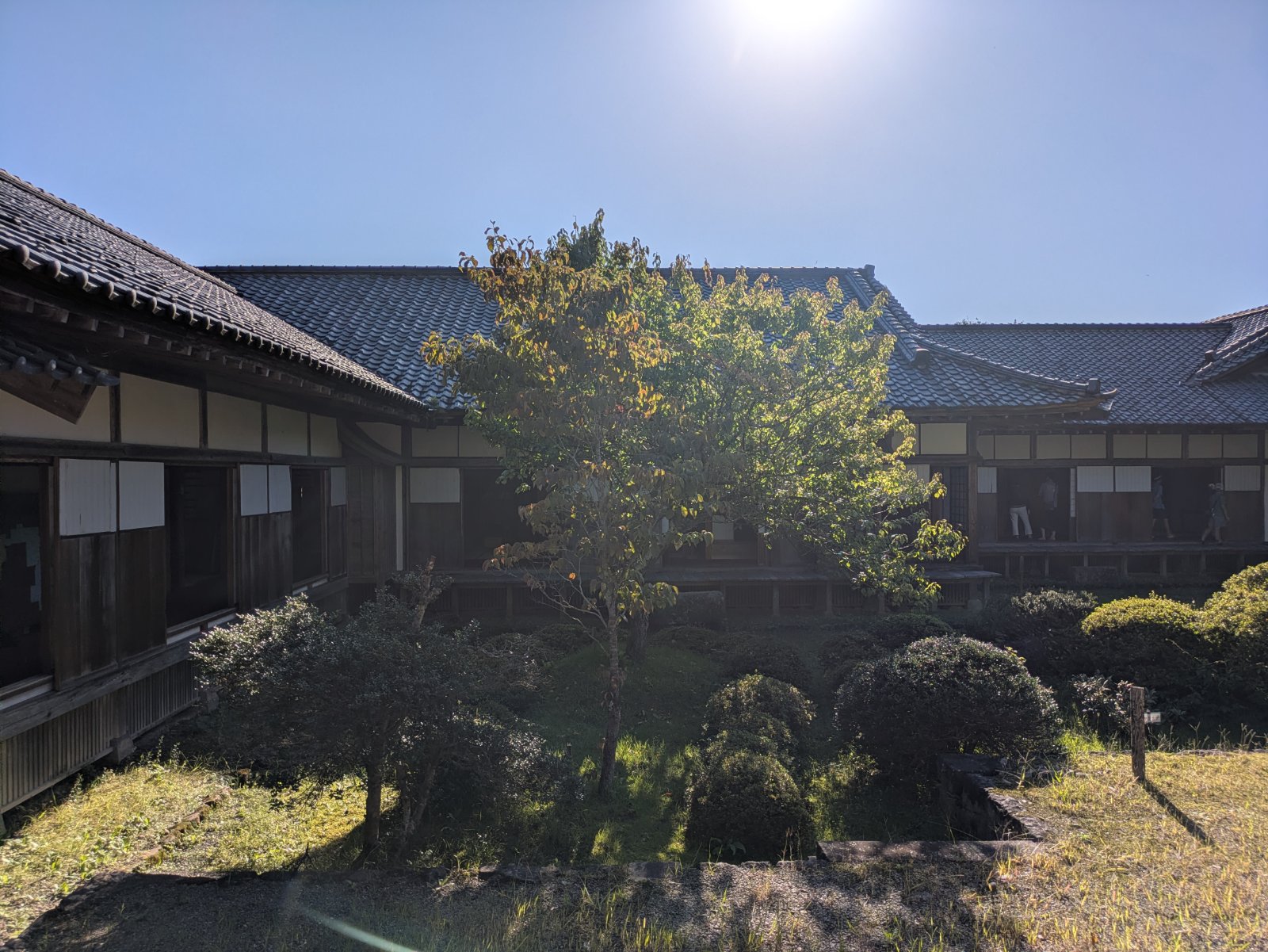
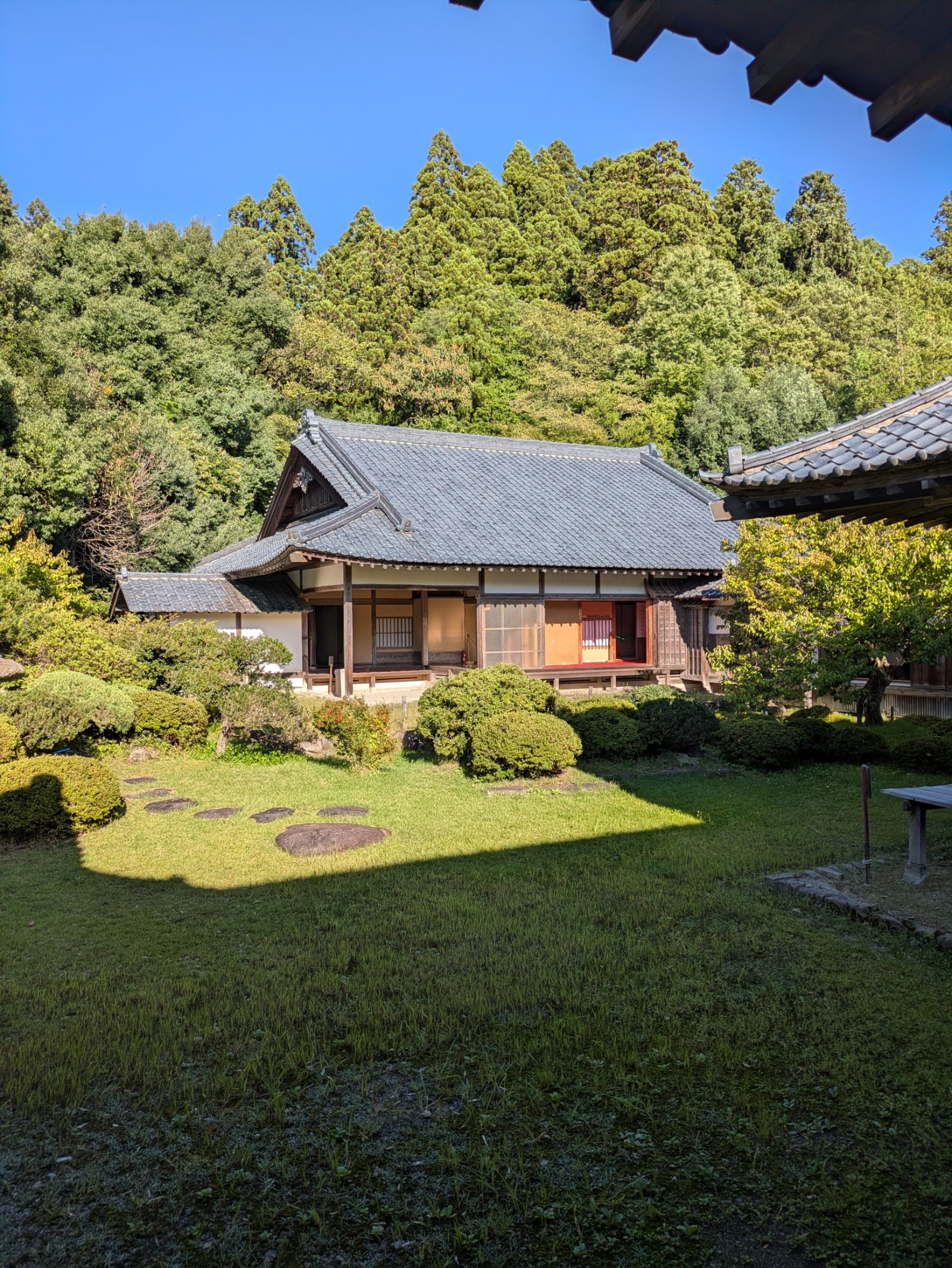
What struck me most was that one of the residences has a suicide room. It is the room where, once it was clear Aizu had lost to the government, the women and children still in the house took their own lives.
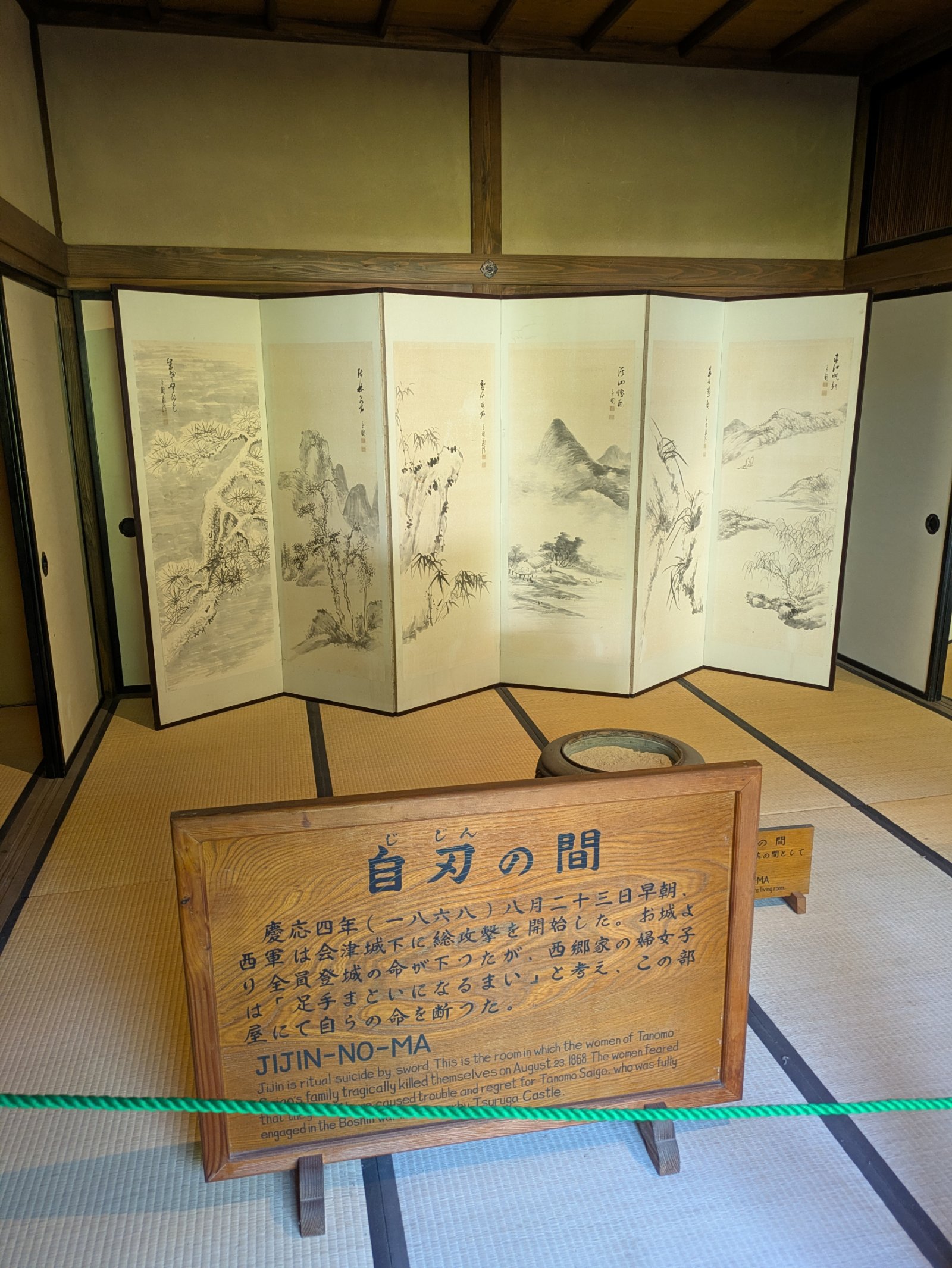
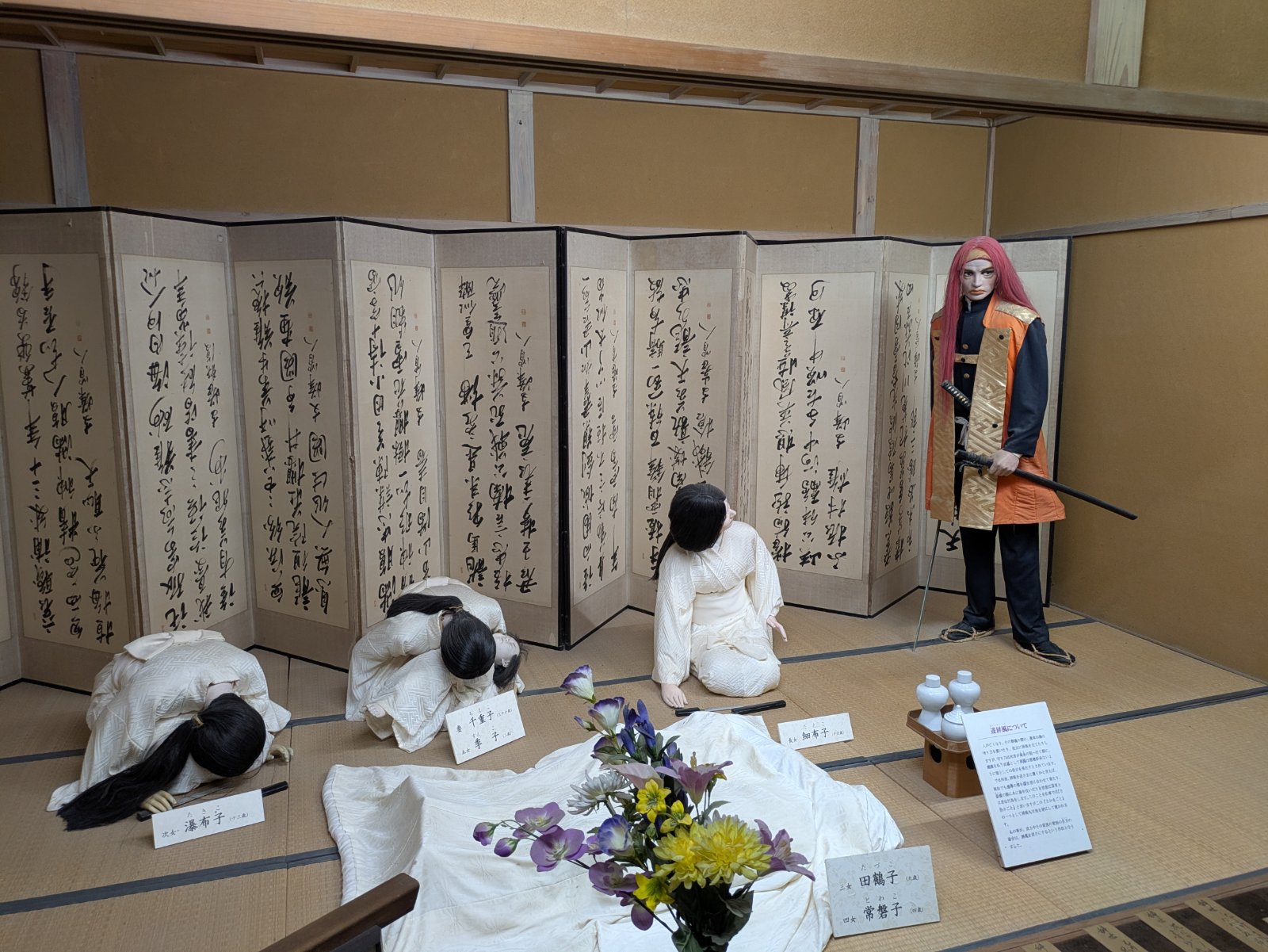
Japanese once fought Japanese, and the defeated chose death before the victors could trample them. By today’s values it is hard to understand. Still, I can’t say I’m unable to imagine that spirit: better to die by your own hand than suffer disgrace at the enemy’s. Faded as they may be, I think the Japanese still have values of their own.
To be continued