Kansai
Seki-juku
- Where
- Mie Prefecture
- When
- March 2025, 2 days, 1 night
- Route
- Tokyo Station → (JR Shinkansen Nozomi, 95 min) → Nagoya Station → (JR Kansai Main Line local train, 65 min) → Kameyama Station → (JR Kansai Main Line local train, 5 min) → Seki Station → 10 min walk
- Cost
- ¥40,000
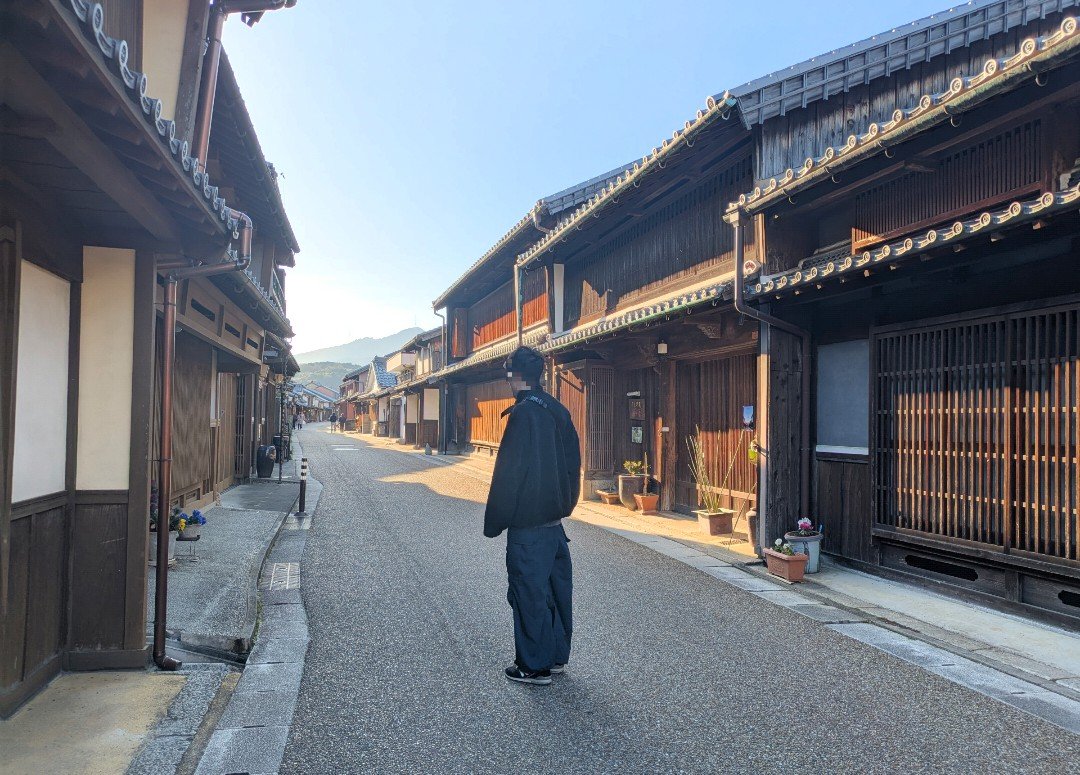
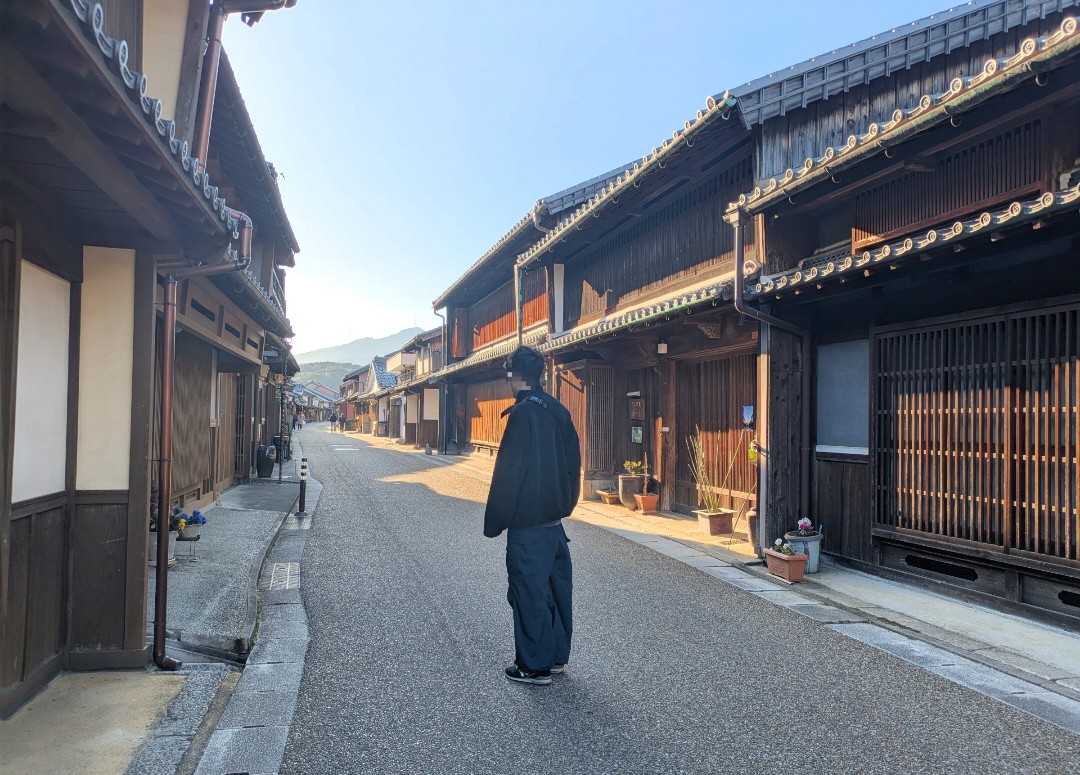
I suspect that even among Japanese people, hardly anyone has heard of Seki-juku, a town in the mountains of Mie Prefecture. Spread out a 10-minute walk from JR Seki Station, Seki-juku still keeps the look of an old post town along a road more than 1 km long.
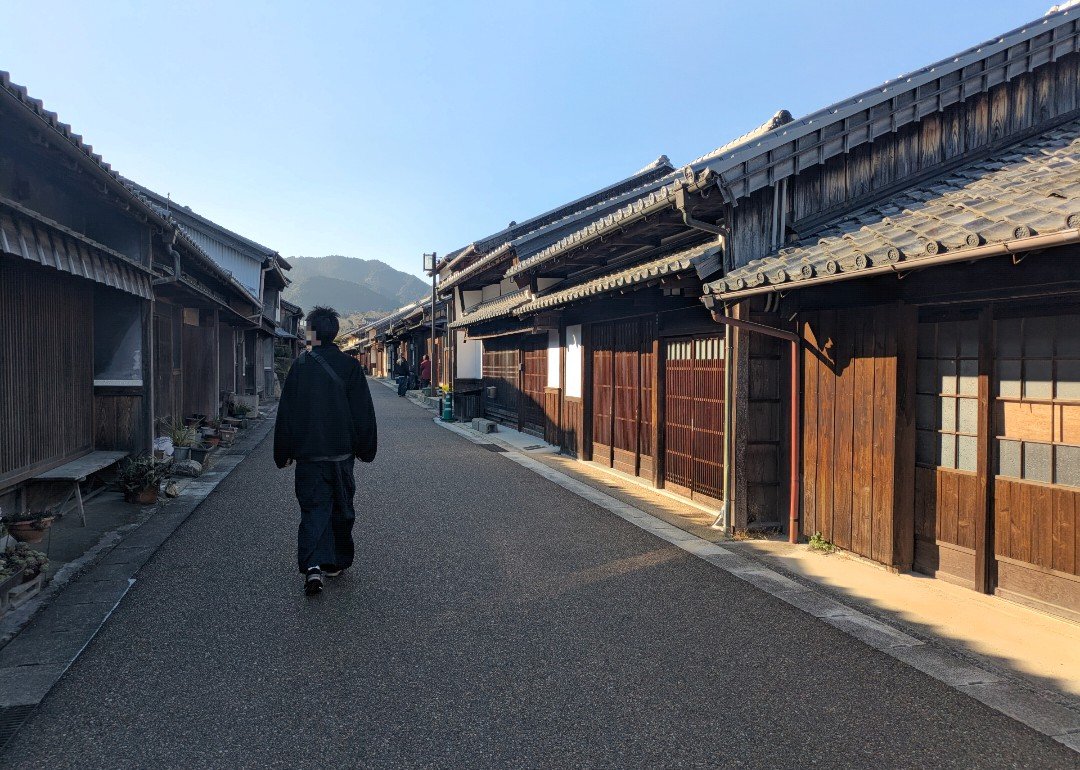
A post town (shukuba-machi) was a town where, in the days before cars, inn after inn lined a road busy with travelers.
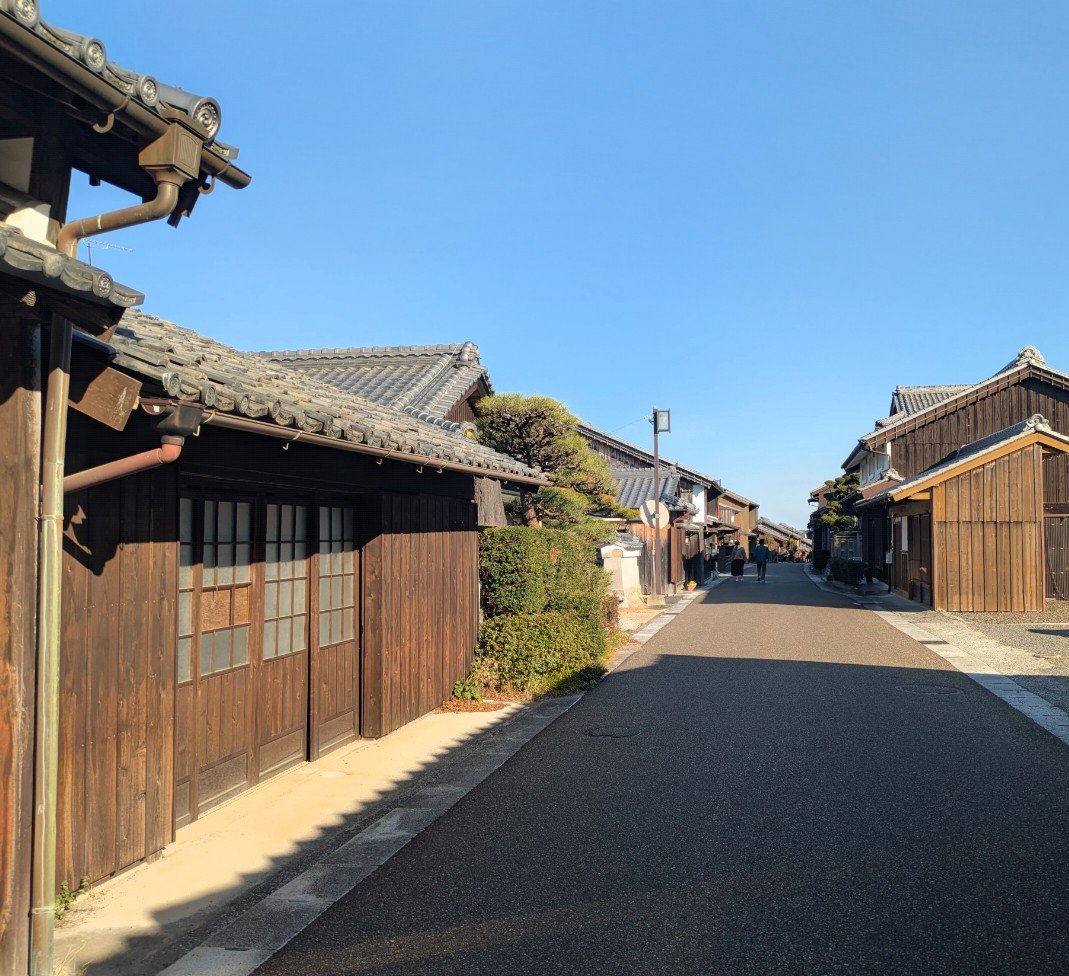
Seki-juku sits on the old Tokaido, the highway that saw more foot traffic than almost any other. It isn’t a well-known spot, so tourists are few, and you can slip back more than a hundred years at your own pace. There aren’t many souvenir shops either, so you get to wander a town that feels easygoing and calm.
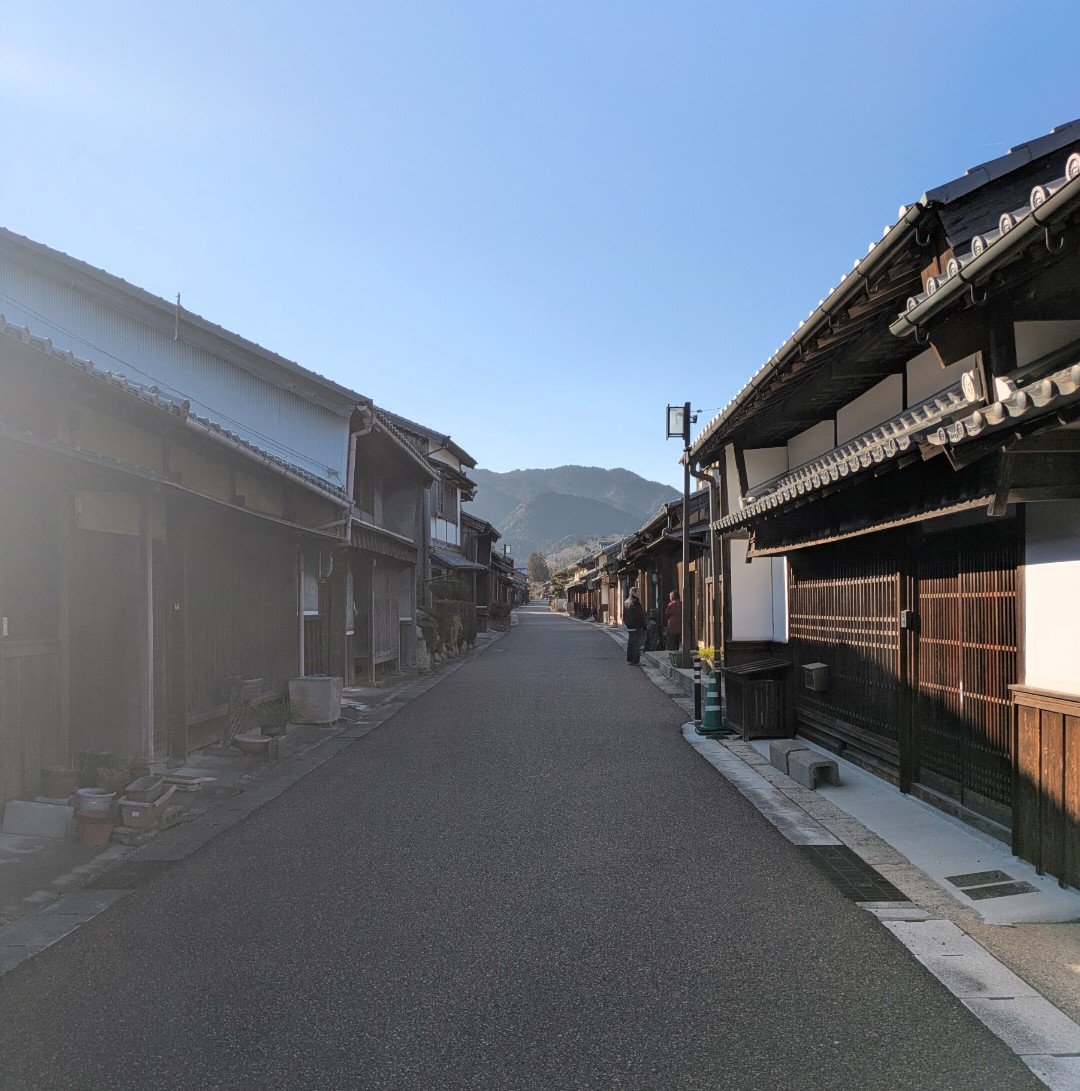
In the modern era, as cars and trains took over, the stretch of the old Tokaido around Seki-juku fell off the main routes, and fewer people passed through. As a result, Seki-juku never tore down its streetscape from the Edo period (1603–1868).
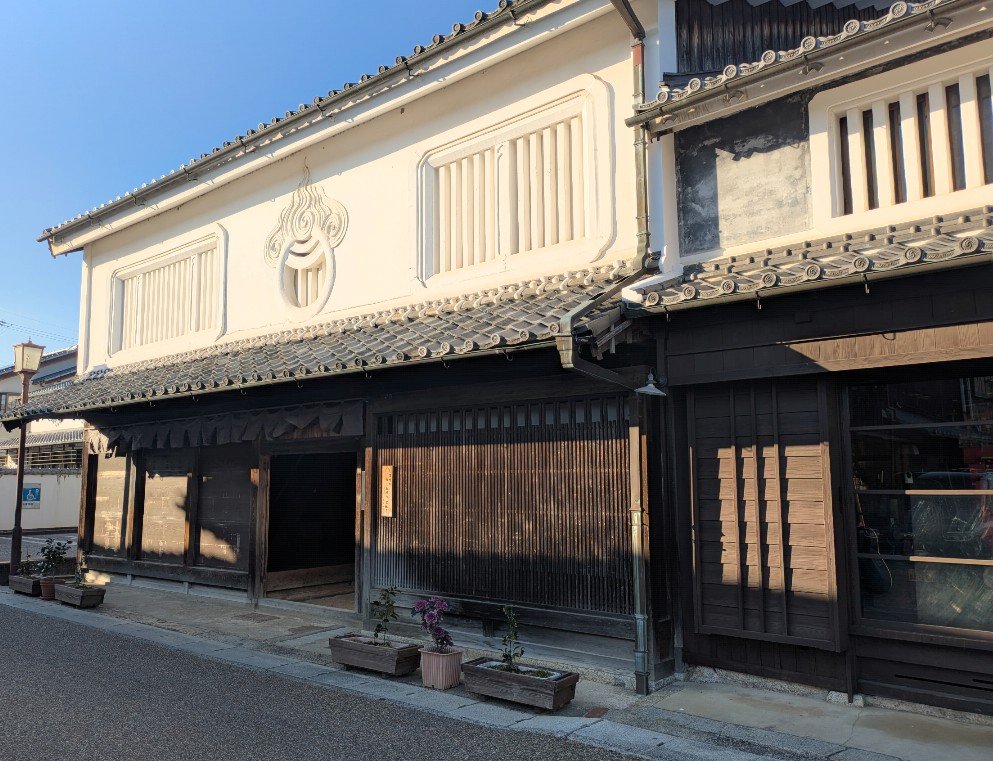
It is precisely because it isn’t famous that it has been able to carry a culture from more than a hundred years ago into the present.