Kanto
Kominato Railway
- Where
- Chiba Prefecture
- When
- April 2026, Day trip
- Route
- Tokyo Station → (JR Sobu Line, 70 min) → Goi Station → change to the Kominato Railway
- Cost
- ¥8,000
Cherry blossoms last about a week. Two weeks at most, and if the wind and rain are strong, they fall even sooner. The short bloom, the way the petals scatter in the wind, that pale pink: all of it makes the cherry blossom seem fragile. I think that fleetingness is exactly why people love them.
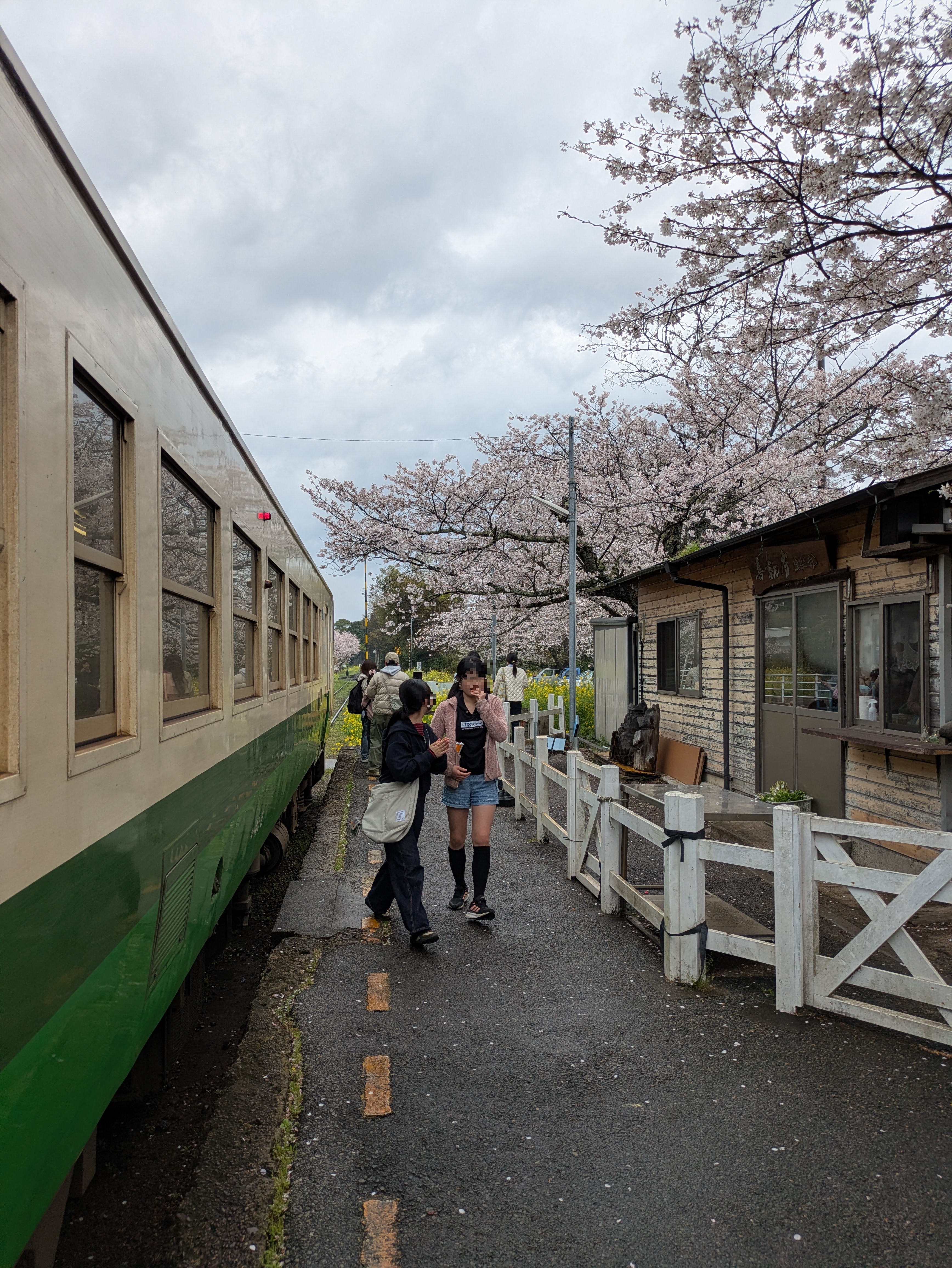
There are plenty of famous cherry blossom spots, but there’s one where you can watch them from a train. That’s the Kominato Railway.
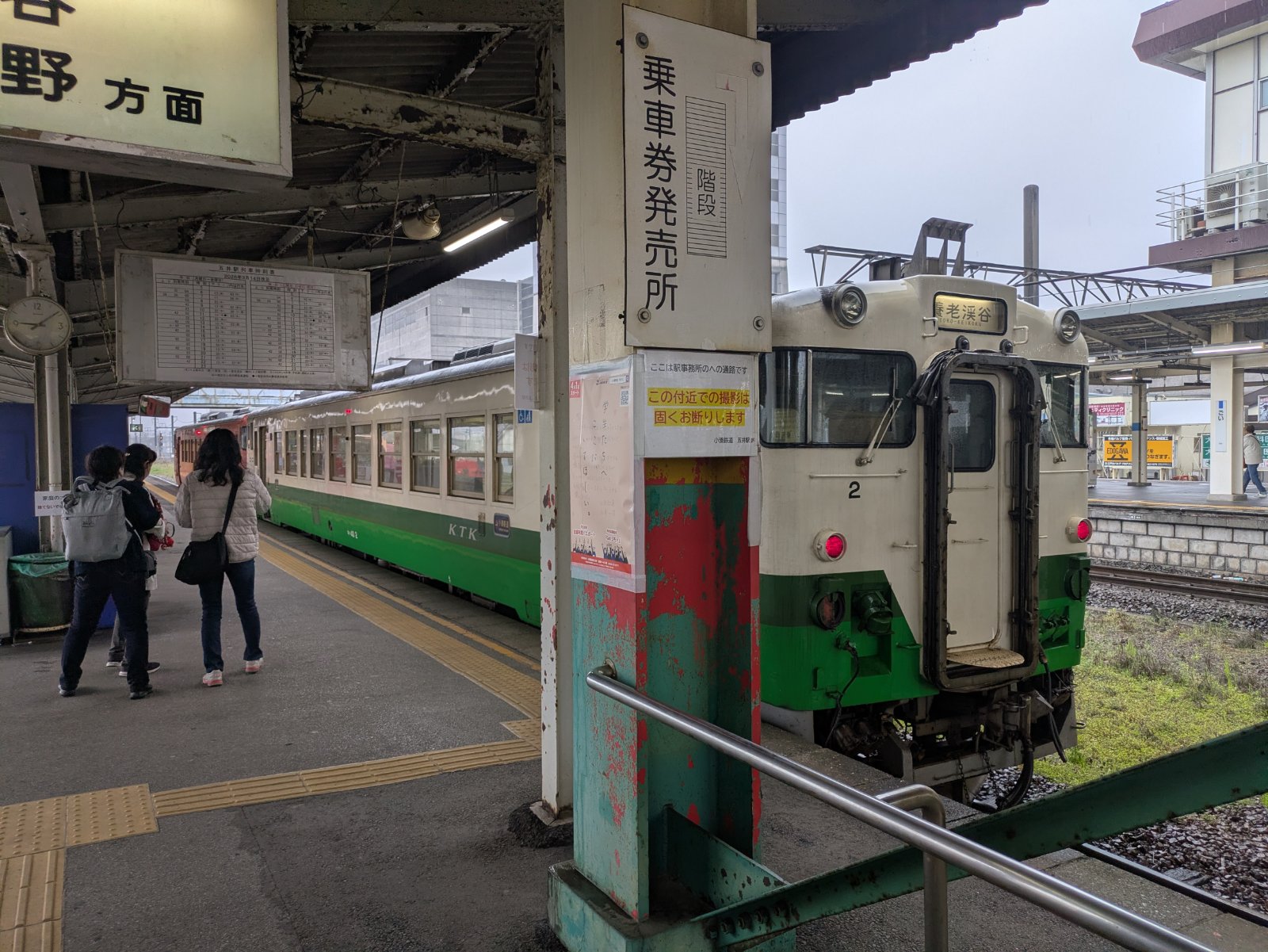
To ride the Kominato Railway, I rock along on trains for about an hour from Tokyo, then change at Goi Station.
Once the Kominato Railway pulls out of Goi Station, cherry blossoms bloom all along the line.
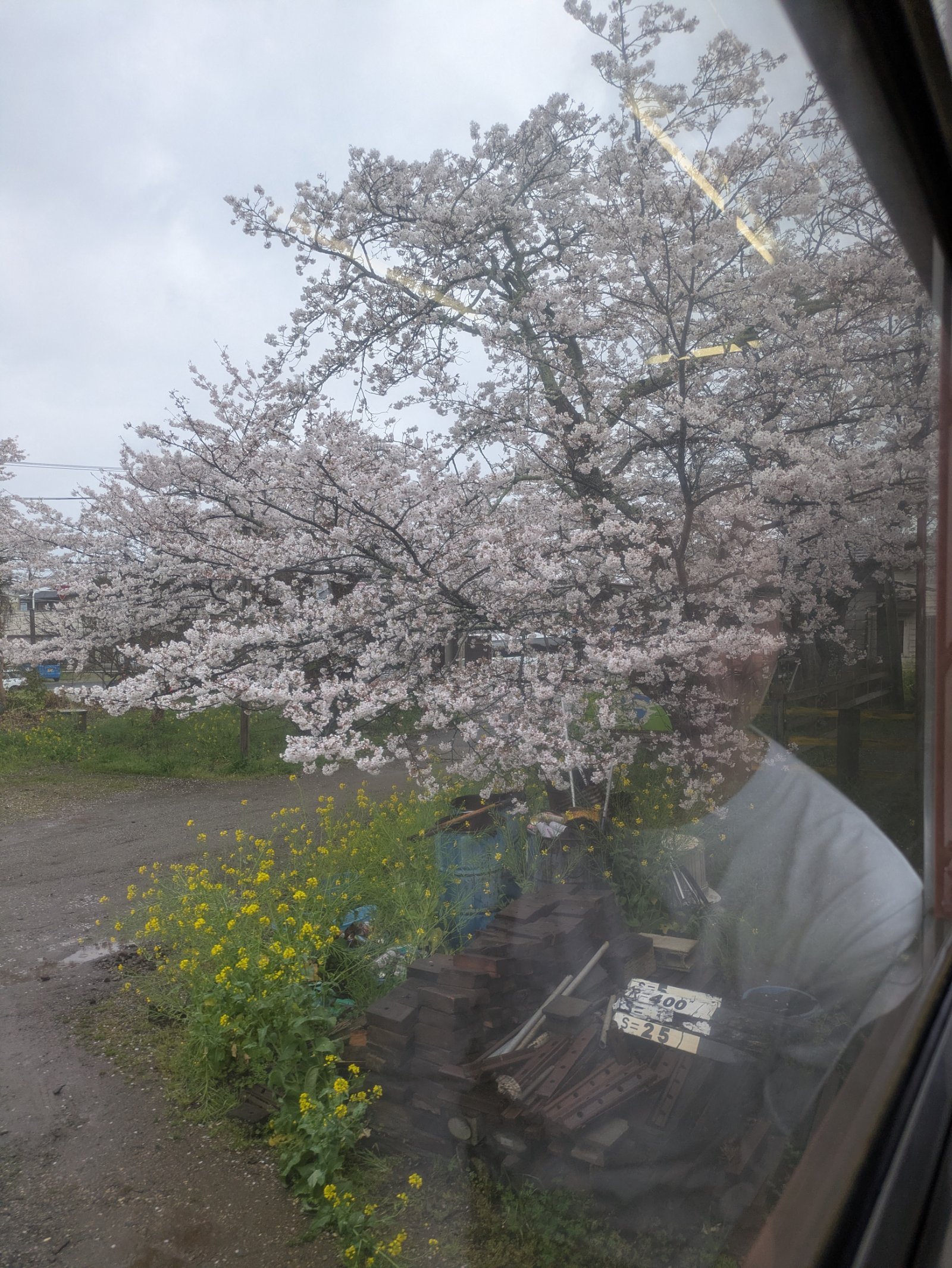
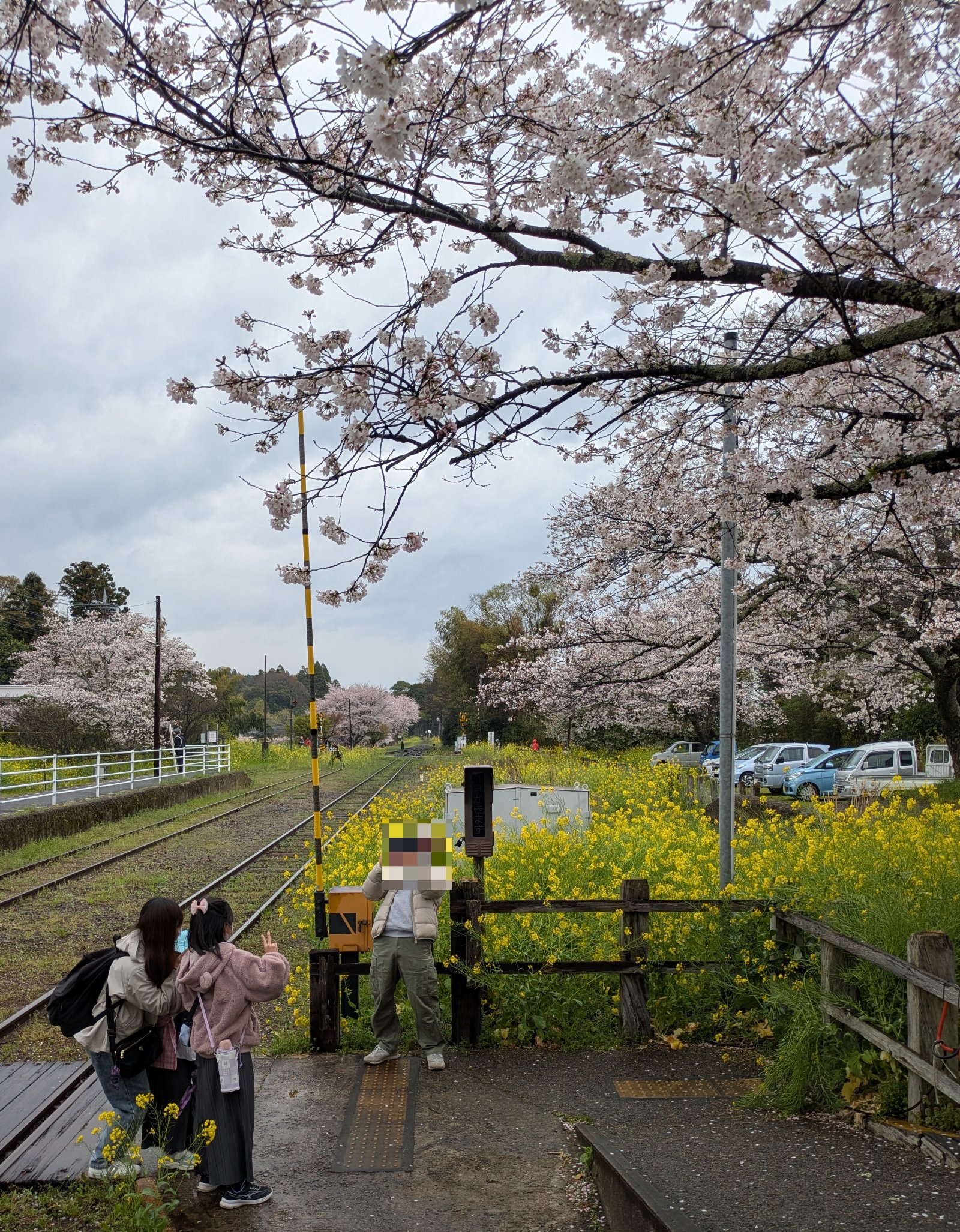
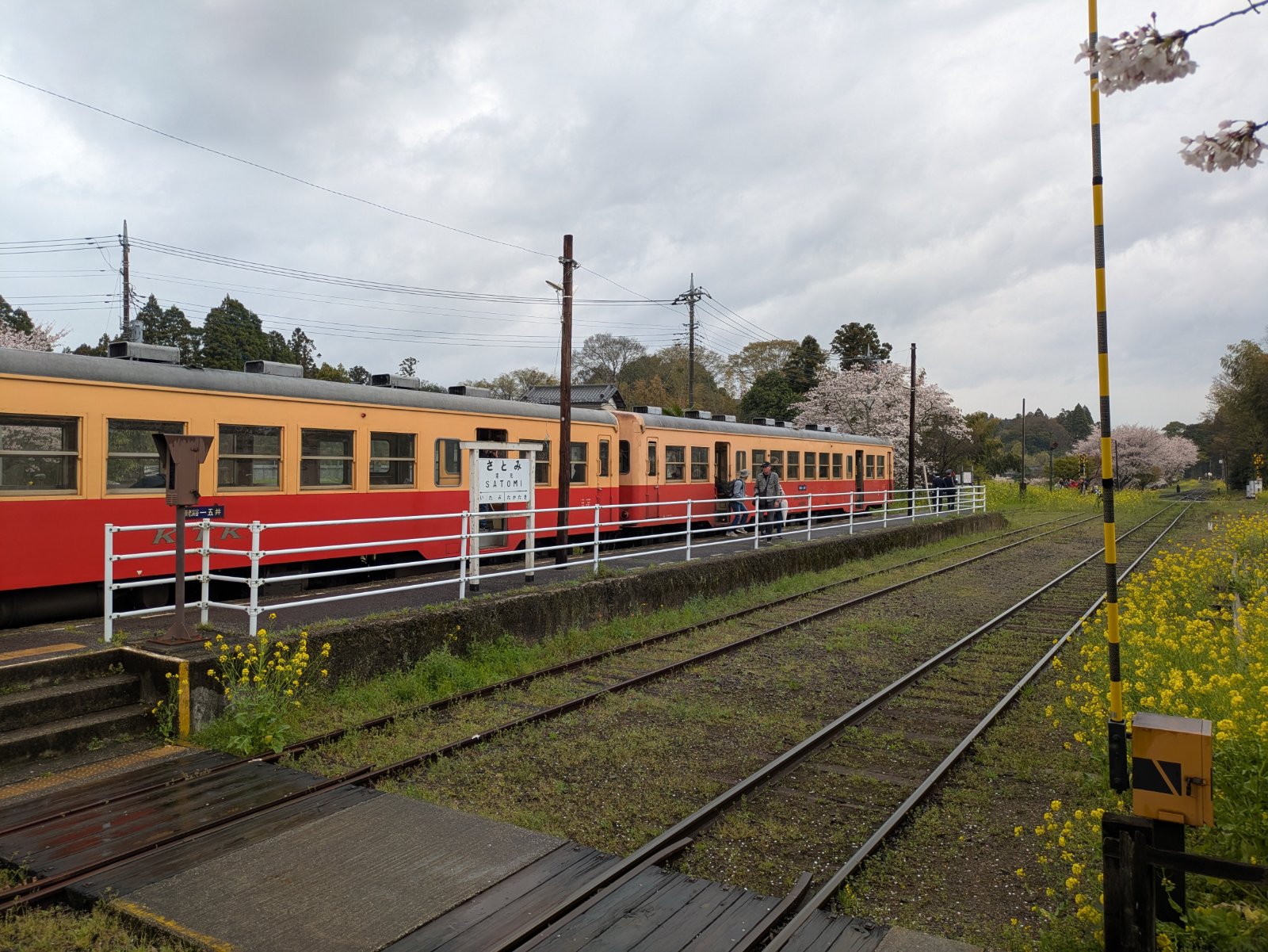
And not just cherry blossoms. There are rapeseed flowers too, and if you’re lucky you can enjoy both at once. When the train stops for a few minutes at stations along the way, you can step off and take photos.
Ume juice (made from Japanese plums) that I picked up on the platform. The plum syrup must have been homemade. It had enough sweetness to hold its own against the rich tartness of the plums, and it was delicious.
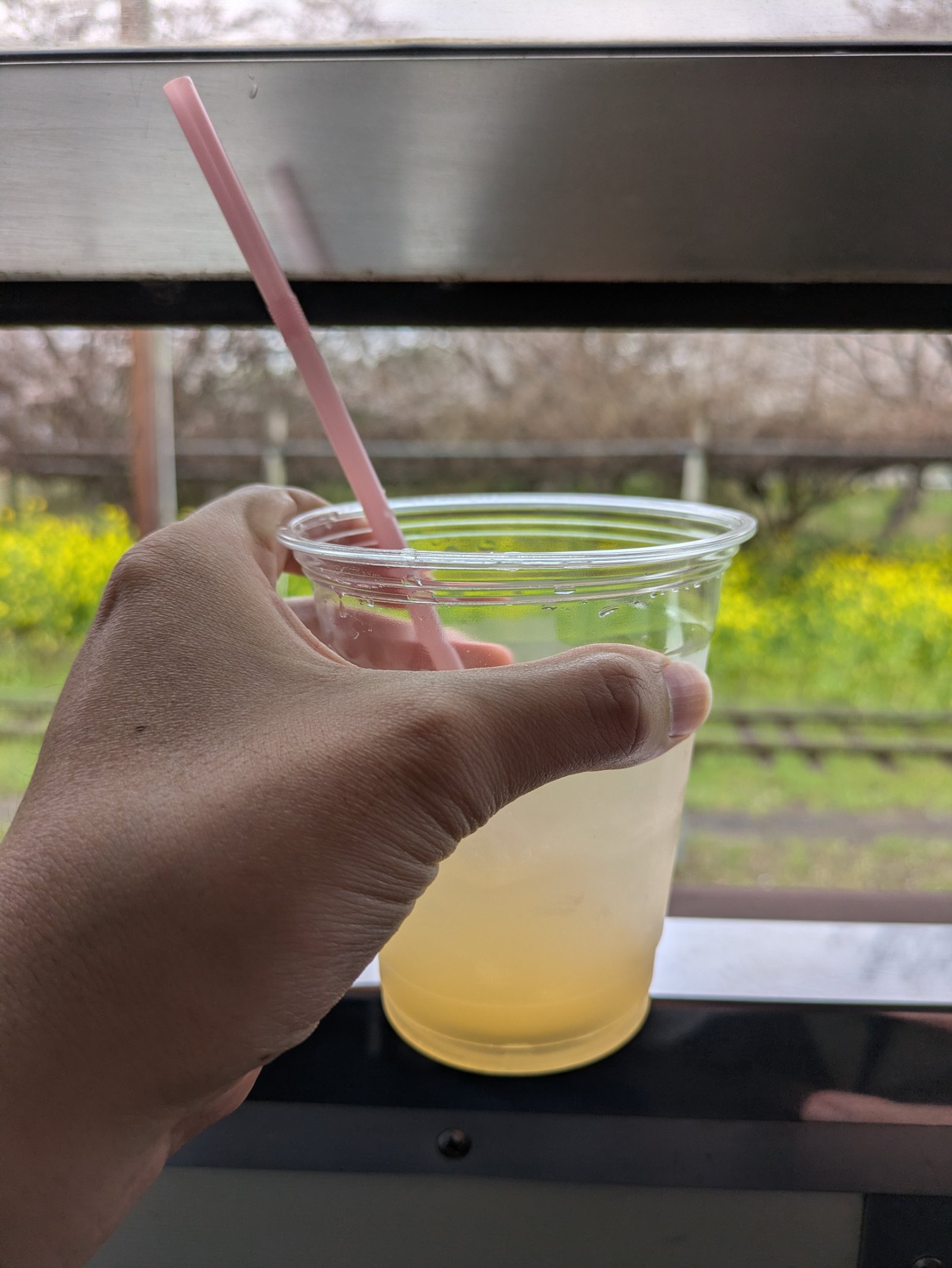
Riding a retro train while taking in cherry blossoms and rapeseed flowers at the same time. That’s what I love about the Kominato Railway, and it’s why I’ve come two years in a row.
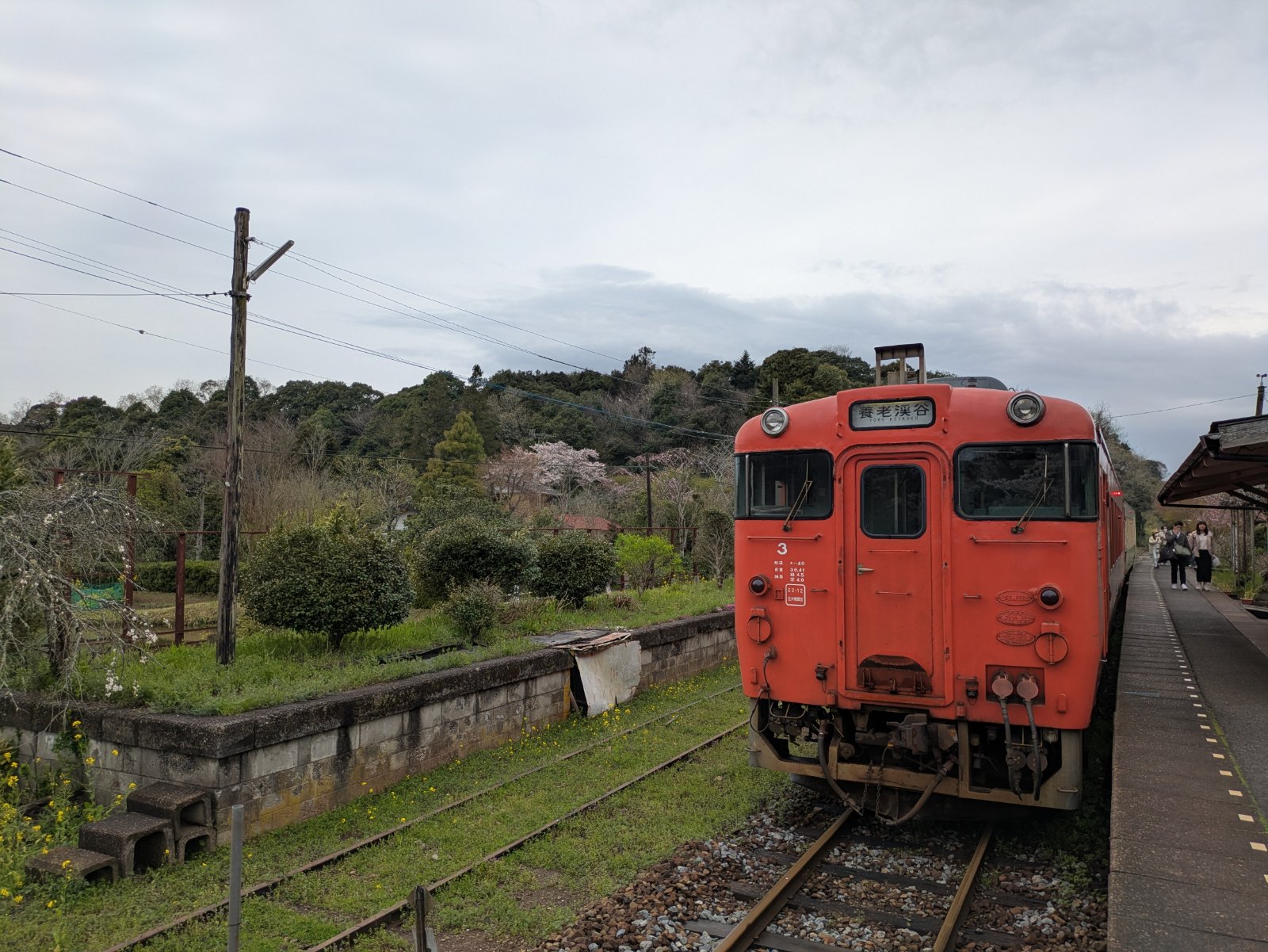
I get off at Yoro-Keikoku Station, one stop before the end of the Kominato Railway line.
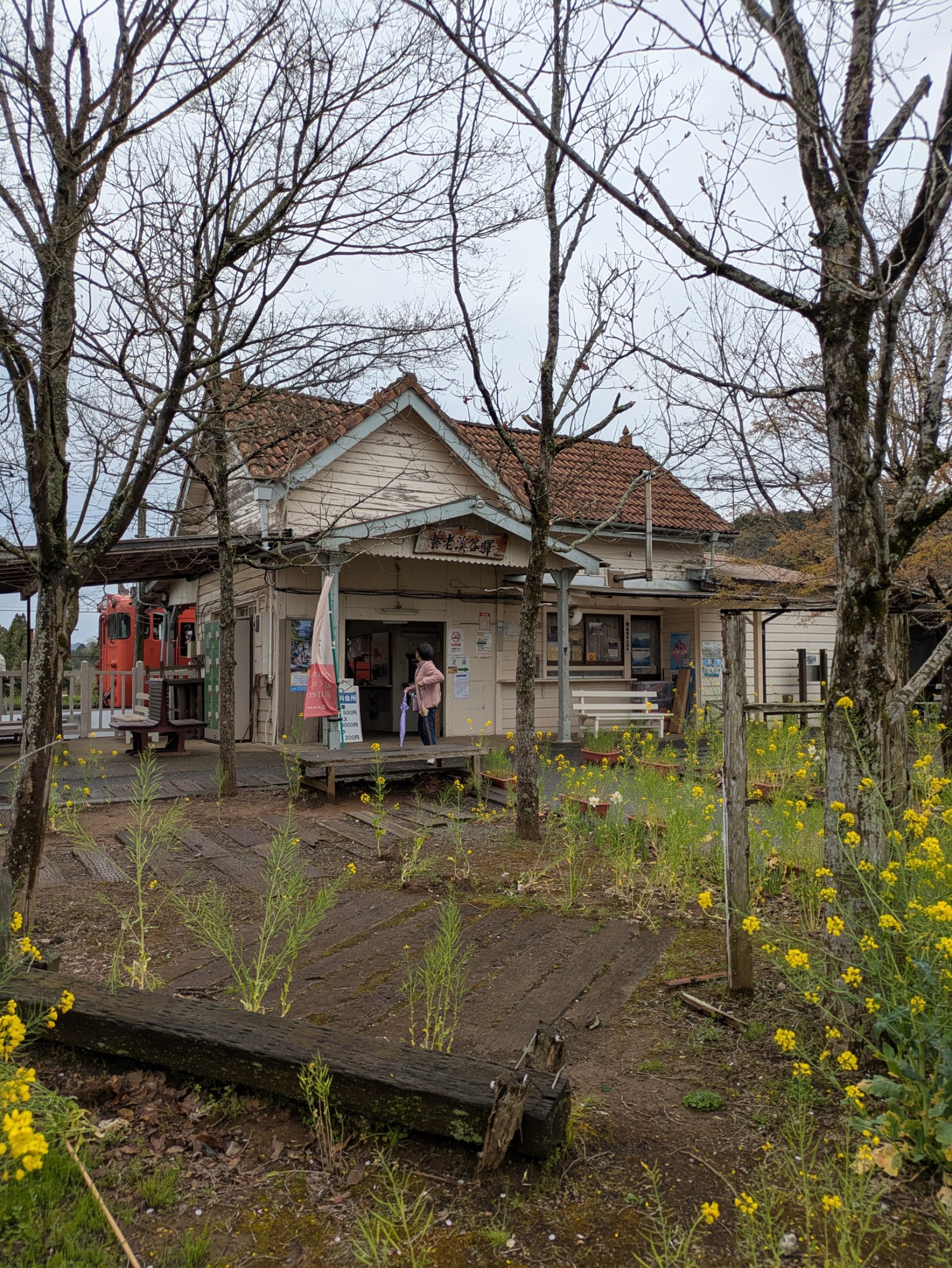
About a 30-minute walk from Yoro-Keikoku Station is a small onsen (hot spring) called Yoro Keikoku Onsen, so I set off on foot. All the way to the onsen town, cherry blossoms, lilies of the valley, and daffodils greet me.
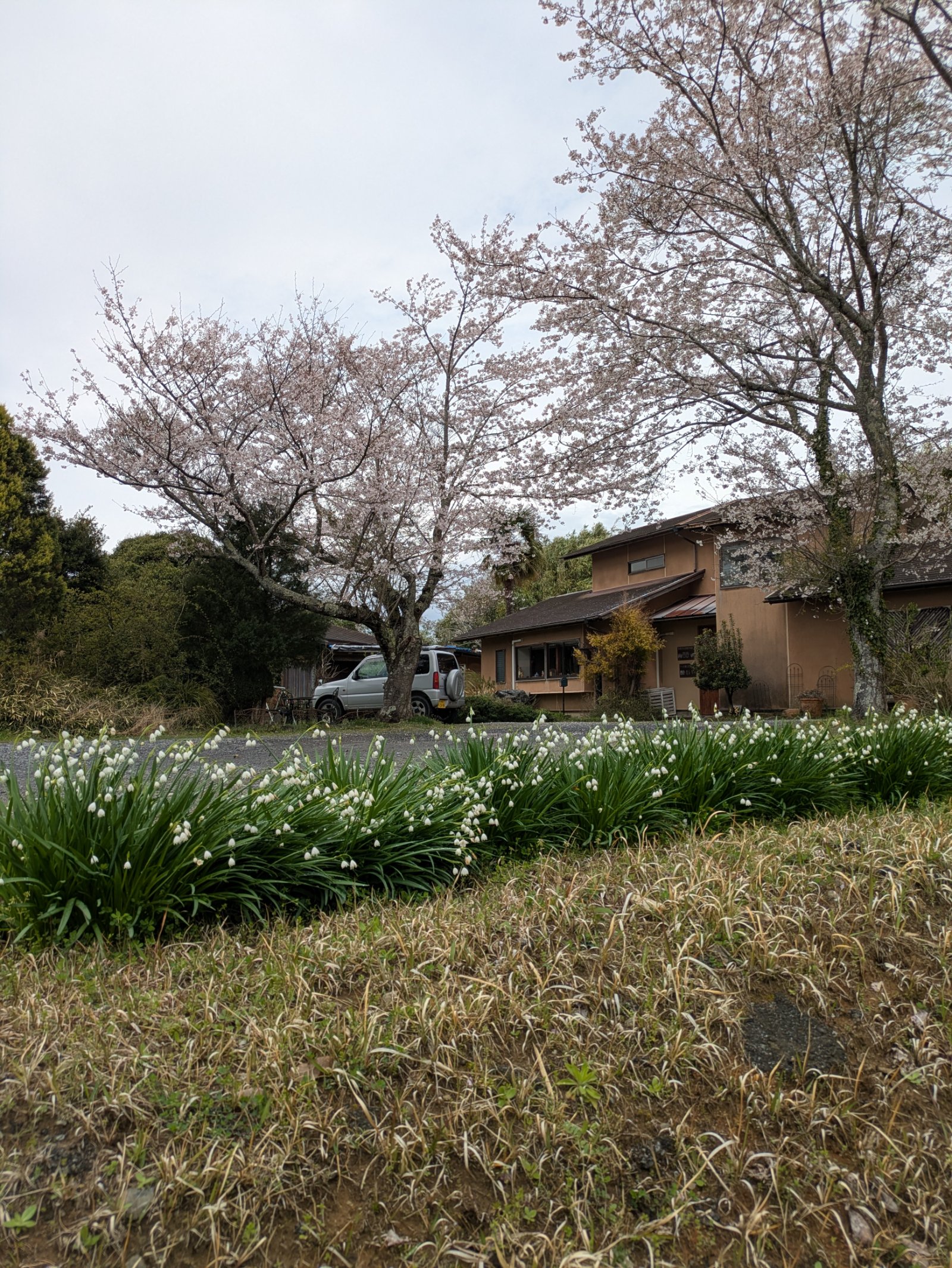
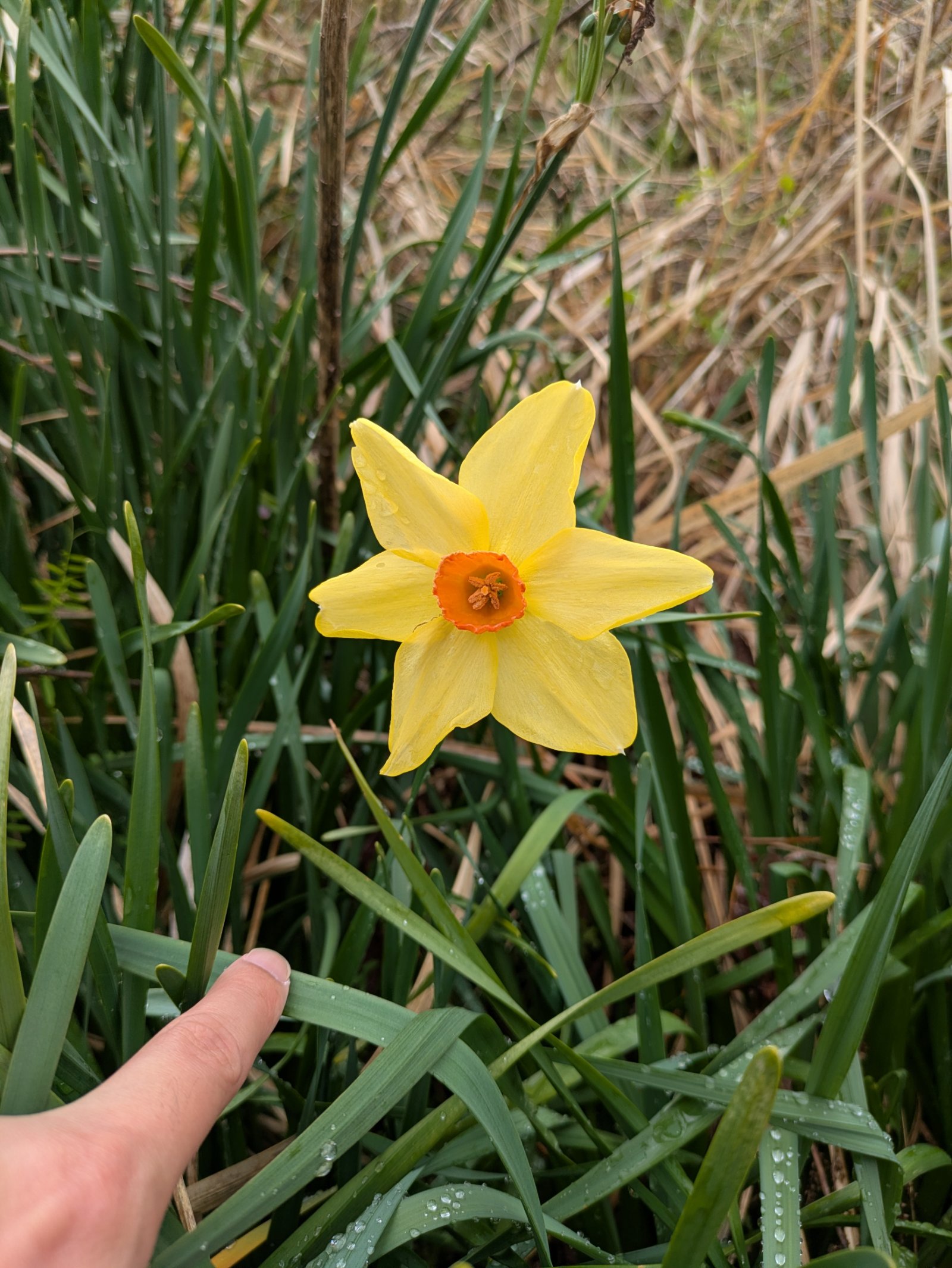
At Sagawa Ryokan, a traditional inn in the onsen town, you can have wild boar hot pot for lunch (you may need to reserve by phone, so if you plan to go, please check ahead). The meat is a little tough, but that’s part of what makes it taste like boar. Once you’ve eaten, you can also soak in the ryokan’s own hot spring.
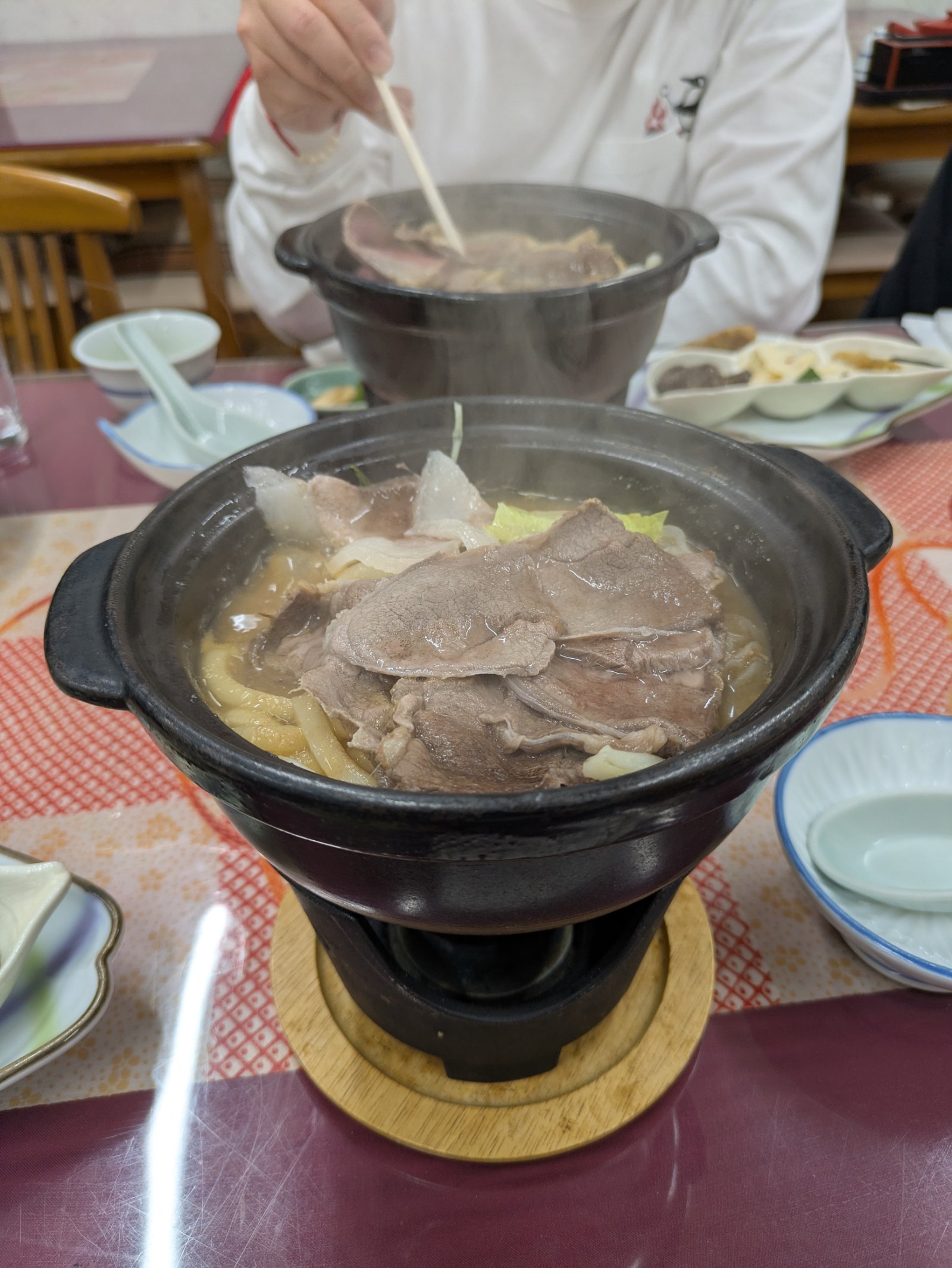
Cherry blossoms and rapeseed flowers together, wild boar hot pot, a soak in an onsen, and all of it doable as a day trip from Tokyo. If I have a free day during cherry blossom season, this is the perfect stroll, the kind I’d happily come back for every year.